


Shrimp Industry: Rising costs and falling prices erode competitiveness
2025 marked an impressive milestone for Vietnam’s shrimp industry, with export turnover reaching a record USD 4.6 billion, up 19% compared to 2024 and accounting for approximately 40–45% of total seafood export value. Vietnamese shrimp products are now present in more than 100 countries, affirming their strong position in the global market. However, behind these positive figures, the industry still faces limitations in connectivity and remains fragmented, resulting in efficiency that does not yet match its full potential.
Shrimp Industry Faces a “Double Challenge”: Falling Prices, Rising Costs
According to the Vietnam Association of Seafood Exporters and Producers (VASEP), entering 2026, the shrimp industry is facing multiple challenges as input costs increase while selling prices decline. Market observations show that from late March to early April 2026, many aquafeed manufacturers simultaneously raised prices, with increases ranging from a few hundred to several thousand VND per kilogram, and even higher for some product lines. The main reasons include fluctuations in raw material prices, logistics costs, and exchange rates.
Meanwhile, domestic raw shrimp prices have shown a sharp downward trend since after the Lunar New Year, becoming more pronounced in the first half of April 2026. Compared to the peak in early January, prices have dropped significantly, reflecting weak consumption as export markets recover unevenly, while domestic supply remains high.
This trend is also seen globally. Prices of whiteleg shrimp in major producing countries such as India, Thailand, China, and Vietnam have all declined. The global average farm-gate shrimp price is currently around USD 3.31/kg, down nearly 10% year-on-year, mainly due to weak demand while supply is gradually recovering.
In India, shrimp prices have decreased across most sizes, especially the 40–60 count/kg segment, which fell by 9–13%, even before the main harvest season begins. This is attributed to weaker export demand, particularly in Europe, along with the impacts of inflation and geopolitical instability.
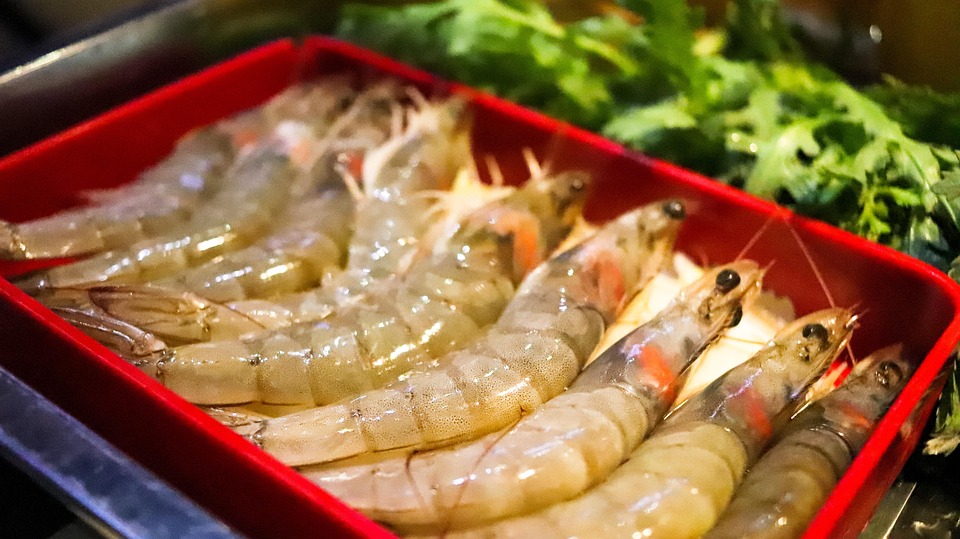
Thailand has seen a sharp decline in shrimp prices, especially for smaller sizes, with decreases ranging from 10% to over 16% compared to the same period. At the same time, packaging costs have surged by 40–60% due to shortages of plastic materials, combined with rising transportation costs, putting significant pressure on processing companies.
In China, shrimp prices have declined for several consecutive weeks, with steep drops in certain sizes, causing losses for many farmers. The market is facing slow consumption and prolonged price declines.
Farmers Reduce Stocking, Risk of Raw Material Shortage at Year-End
According to VASEP, the combination of falling selling prices and rising input costs is significantly squeezing shrimp farming profitability. The industry is entering a challenging phase that requires adjustments in production strategies, stronger value chain linkages, and improved efficiency to adapt to market fluctuations.
Rising costs are directly affecting the competitiveness of Vietnamese shrimp in the global market. As domestic production costs increase while competitors like Ecuador and India maintain lower cost advantages, the price competitiveness gap continues to widen. This places greater pressure on processing and exporting companies, especially as market demand has not fully recovered.
In addition, businesses are burdened with higher costs for packaging, materials, logistics, and freight. Ongoing geopolitical tensions continue to increase transportation risks, making export costs more volatile. While selling prices are dictated by the market, many input costs remain on an upward trend, creating pressure across the entire supply chain.
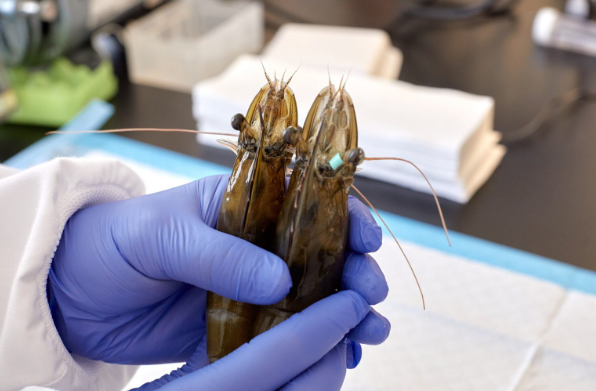
In this context, shrimp farmers are becoming more cautious. With unclear economic returns, many are reducing stocking densities or delaying stocking schedules. Besides rising costs and low farm-gate prices, farmers also face risks from diseases, environmental fluctuations, and increasingly difficult farming conditions in some areas. These factors increase production risks and affect restocking decisions.
If this trend continues, raw material supply in the coming months may be affected. The shrimp industry could face localized shortages during the peak processing and export period at the end of the year. This would not only impact production activities but also affect delivery schedules and the ability of companies to fulfill orders.
Need for Stronger Coordination Across the Value Chain
Amid widespread pressure across the supply chain, maintaining industry stability requires close coordination among all stakeholders. Farmers need timely access to market information to adjust production plans. Input suppliers should share difficulties and limit cost increases during this sensitive period. Processing companies need to strengthen linkages with farming areas to ensure stable supply. At the same time, regulatory authorities should closely monitor market developments to provide appropriate support measures.
Balancing benefits among all stakeholders in the value chain is considered a key factor to help the shrimp industry overcome current challenges, maintain competitiveness, and ensure raw material supply in the near future.
Source: VnEconomy
AQUA MINA CO., LTD
– Address: 685 Le Duc Anh Street, Quarter 39, Binh Hung Hoa Ward, Ho Chi Minh City
– Phone: 1800 6071 (Toll-free hotline)
– Email: sales@aquamina.com.vn or oversea@aquamina.com.vn
– Aqua Mina’s Official Distributor in Japan: REX INDUSTRIES CO., LTD
– Address: 1-9-3 Hishiya-Higashi, Higashi-Osaka 578-0948, JAPAN
– Email: kimakubo@rexind.co.jp
– Phone: +81-(0)72-961-9893
– Website: www.rexind.co.jp/e/

WE WORK FOR THE SUCCESS
Ngày đăng : 25/04/2026
1345 View


Other Articles
Ca Mau, Can Tho and An Giang Play a Leading Role in Vietnam’s Shrimp Industry
Protecting rice-shrimp yields against environmental fluctuations caused by prolonged rain
AQUA MINA Turbo Blower: Quiet, Energy-Efficient Air Supply for Aquaculture Ponds
AQUA MINA has accompanied the experimental tank system project at Can Tho University from its very early days
AQUA MINA AMONG 20 OUTSTANDING PRESENTATIONS AT THE WORKSHOP ON APPLYING SCIENCE AND TECHNOLOGY TO IMPROVE THE QUALITY OF VIETNAM’S AQUATIC PRODUCTS
Vietnam’s Shrimp Farming Industry Enters the High-Tech Race
The U.S. market relies heavily on imported shrimp to bridge its domestic supply gap
The 2028 supply crisis: The shrimp industry is projected to face a 400,000-ton material shortage
High profits from high-tech shrimp farming come with persistent risks
Intensifying El Niño Effect: Climate Change Risks Threaten the Global Shrimp Supply Chain
Evaluating Gaps in the Circular Economy Value Chain of the Shrimp Industry
A Comprehensive Overview of the Vietnamese Shrimp Industry



.jpg)