

How Can Farmers Secure Their Water Supply and Reduce Risks as Climate Change Becomes More Extreme?
In the past, many farmers relied on earthen ponds or depended entirely on natural water sources. Today, however, this approach is gradually changing. In recent years, unpredictable weather patterns, prolonged heatwaves, and saltwater intrusion have become increasingly common, making the question of having enough irrigation water a real concern for many agricultural producers.
Many farmers have experienced situations where crops were entering critical growth stages while water supplies were steadily declining. In some areas, groundwater wells have weakened significantly. In others, canals and waterways have dropped to low levels or become affected by salinity, making irrigation increasingly difficult. For fruit orchards and large-scale farming operations in particular, just a few weeks without sufficient water can negatively impact an entire growing season.
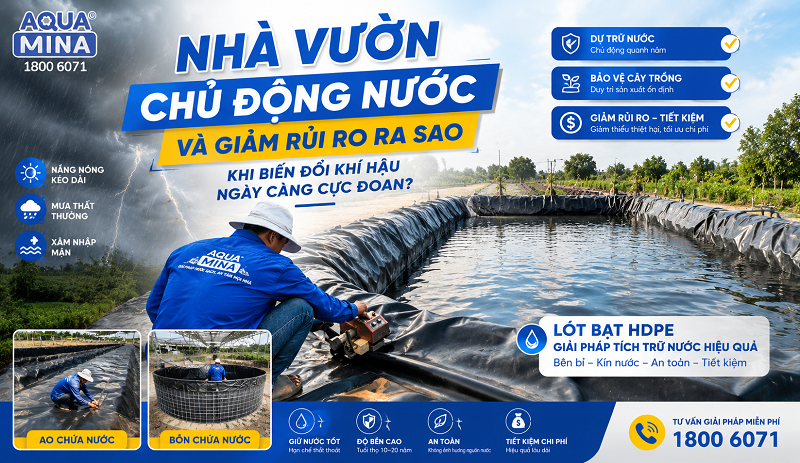
As a result, more farmers are shifting their mindset from “using water when it is available” to “actively storing water in advance.” Among the available solutions, HDPE-lined water reservoirs have become an increasingly popular option due to their large storage capacity, reduced water loss, and suitability for real-world agricultural conditions.
1. Why Are Farmers No Longer Willing to Depend Solely on Natural Water Sources?
In the past, many growers believed that having a pond or a drilled well was enough to meet irrigation needs. However, as weather patterns become increasingly unpredictable, natural water supplies are no longer as reliable as they once were.
During dry seasons, many regions now face challenges such as:
- Drying canals and waterways
- Declining well water output
- Saltwater intrusion
- Insufficient irrigation water for crops
At the same time, the cost of pumping and purchasing water during peak demand periods continues to rise, creating significant financial pressure for many growers.
Instead of waiting until water shortages occur, many farmers now choose to collect and store water during the rainy season using lined water reservoirs to maintain a long-term backup supply.
2. How Do HDPE-Lined Reservoirs Improve Water Retention?
One of the biggest challenges with traditional earthen ponds is water loss through soil seepage. At first glance, the pond may appear full, but over time significant amounts of water can be lost, especially during extended periods of hot weather.
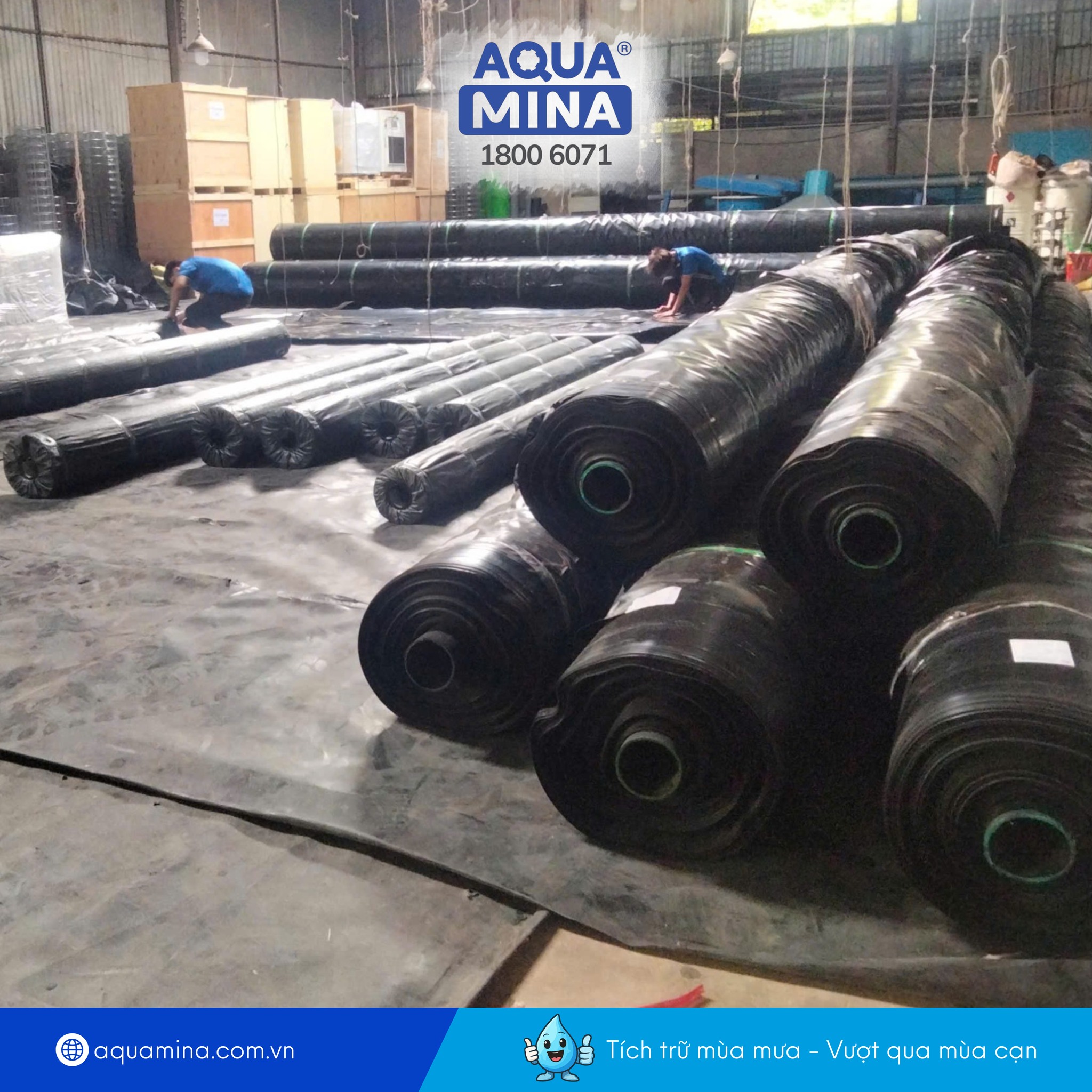
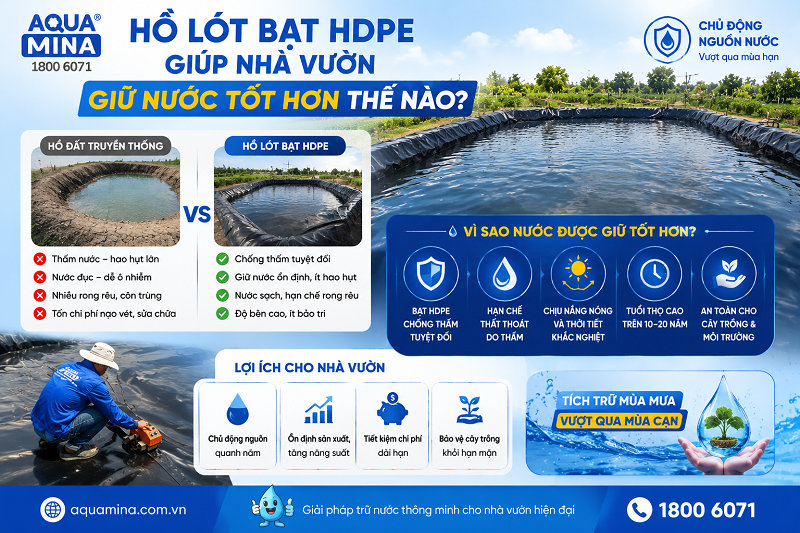
This is why HDPE pond lining systems are becoming increasingly popular. By installing a specialized waterproof liner, water can be retained far more effectively compared to conventional soil ponds.
In addition to excellent waterproof performance, agricultural HDPE liners are valued for:
- High outdoor durability
- Strong resistance to heat and sunlight
- Reduced risk of cracking or deterioration
- Easier cleaning and algae control
These advantages are especially important for long-term agricultural water storage systems.
3. How Much Water Are Farmers Storing Today?
Unlike the past, when small tanks holding only a few hundred liters were common, many growers are now investing in larger-scale storage systems to ensure adequate water supplies throughout the dry season.
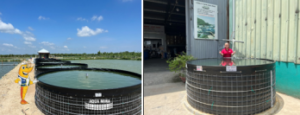
Depending on farm size and water demand, many modern projects can store between 600 and 1,000 cubic meters of water. Today, the primary concern is no longer how large the reservoir looks, but rather how long it can supply water and whether it can sustain irrigation through dry periods.
For example, a 1,000-liter water tank stores only about 1 cubic meter of water. By comparison, a 20-cubic-meter lined reservoir can provide a much larger reserve for extended irrigation needs.
Expressing capacity in terms of “10 cubic meters” or “50 cubic meters” also makes it easier for users to understand actual storage volumes compared to technical specifications alone.
4. Water Storage Is No Longer Just for Large Farms
Water storage reservoirs were once considered suitable only for large agricultural operations. Today, however, even households in areas prone to water shortages are investing in their own storage systems.
This trend is driven by factors such as:
- Reduced municipal water pressure during peak seasons
- Longer drought periods
- Increasing water costs
- Concerns about domestic water shortages
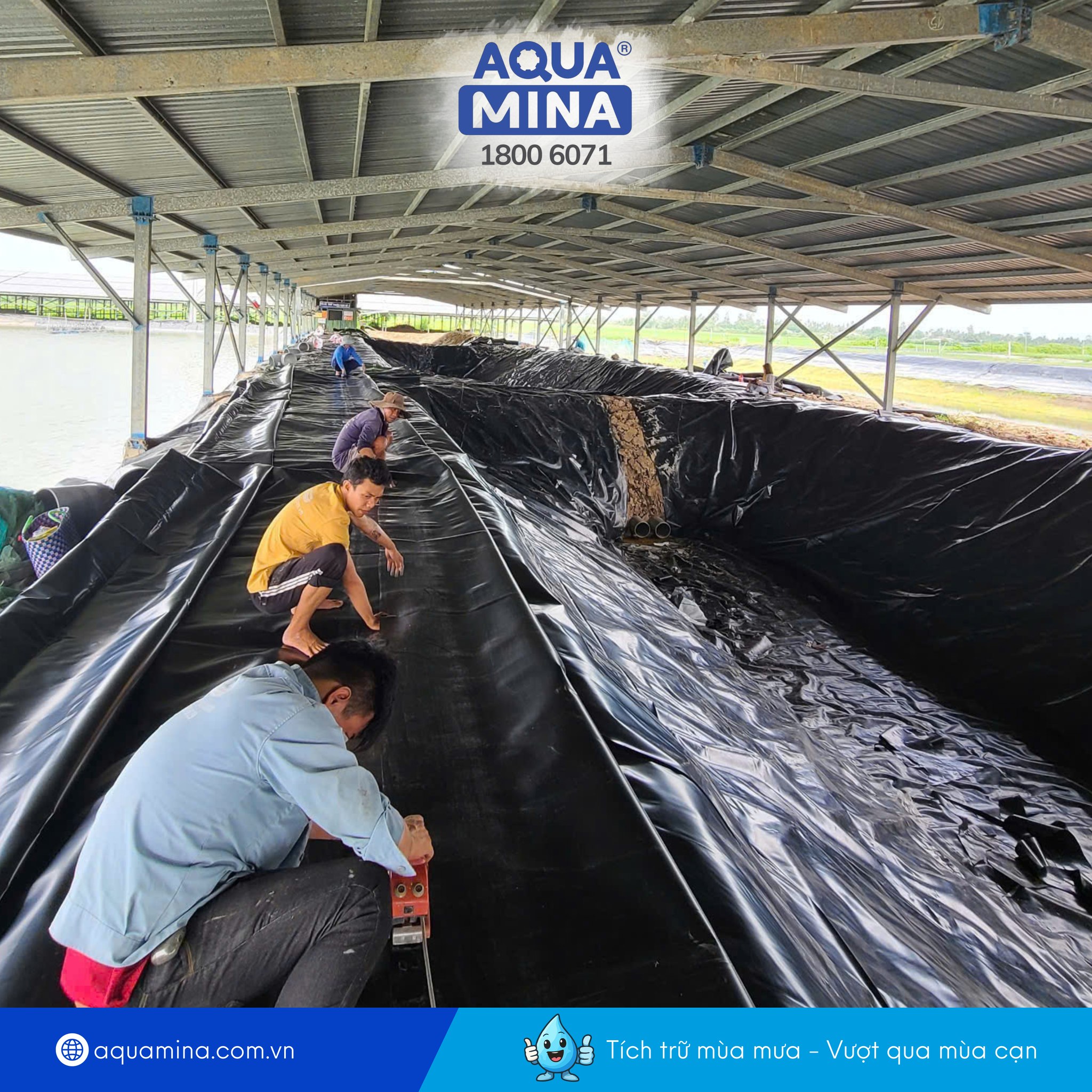
Rather than relying entirely on external water supplies, many families now choose to store water proactively to reduce pressure during hot and dry seasons.
5. Is Building an HDPE Reservoir Too Expensive?
Many customers initially assume that installing a water reservoir requires a large investment. In reality, modern HDPE reservoir construction is considerably more flexible than traditional concrete systems.
Users can select a storage capacity that matches their actual budget and needs, ranging from small reservoirs for basic use to large systems capable of storing hundreds of cubic meters for agricultural production.
Additional advantages include:
- Faster installation
- Easy future expansion
- Adaptability to various terrains
- Optimized long-term investment costs
These benefits are among the reasons why HDPE-lined reservoirs are becoming increasingly common across agricultural regions.
6. Proactive Water Storage Is Becoming a Long-Term Strategy
In the past, building a water reservoir was often considered a temporary solution. Today, many farmers view it as a long-term investment that supports stable production.
Having a reliable stored water supply helps:
- Reduce dependence on weather conditions
- Minimize drought and salinity risks
- Maintain consistent irrigation schedules
- Protect crop productivity
As climate change becomes increasingly unpredictable, water self-sufficiency is becoming a major competitive advantage for agricultural producers.
Droughts and saltwater intrusion are forcing many farmers to completely rethink their approach to water management. Rather than relying on unstable natural water sources, more growers are investing in long-term storage systems using lined reservoirs and agricultural HDPE liners.
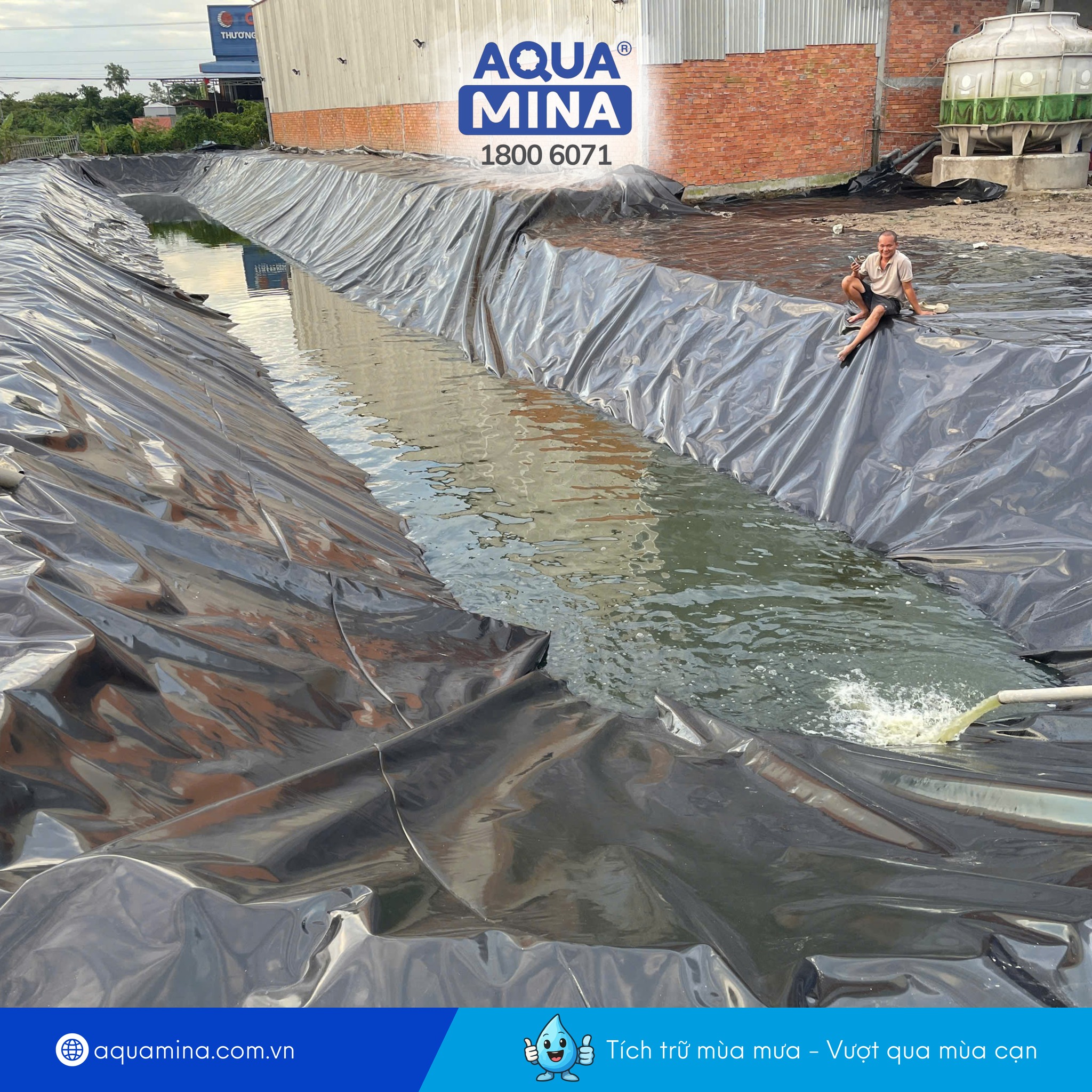
Most importantly, farmers should choose solutions that match their cultivation area and actual water demand in order to maximize long-term investment efficiency.
7. Choose Water Security – Choose AQUA MINA
Store Water During the Rainy Season – Overcome the Dry Season From residential reservoirs to large-scale HDPE-lined storage solutions, AQUA MINA is ready to provide expert consultation tailored to your specific needs.
Committed to Quality – Optimized Capacity – Designed for Long-Term Water Storage
AQUA MINA CO., LTD
– Address: 685 Le Duc Anh Street, Quarter 39, Binh Hung Hoa Ward, Ho Chi Minh City
– Phone: 1800 6071 (Toll-free hotline)
– Email: sales@aquamina.com.vn or oversea@aquamina.com.vn
– Aqua Mina’s Official Distributor in Japan: REX INDUSTRIES CO., LTD
– Address: 1-9-3 Hishiya-Higashi, Higashi-Osaka 578-0948, JAPAN
– Email: kimakubo@rexind.co.jp
– Phone: +81-(0)72-961-9893
– Website: www.rexind.co.jp/e/

WE WORK FOR THE SUCCESS
Ngày đăng : 05/06/2026
1332 View


Other Articles
Ca Mau, Can Tho and An Giang Play a Leading Role in Vietnam’s Shrimp Industry
Protecting rice-shrimp yields against environmental fluctuations caused by prolonged rain
AQUA MINA Turbo Blower: Quiet, Energy-Efficient Air Supply for Aquaculture Ponds
AQUA MINA has accompanied the experimental tank system project at Can Tho University from its very early days
AQUA MINA AMONG 20 OUTSTANDING PRESENTATIONS AT THE WORKSHOP ON APPLYING SCIENCE AND TECHNOLOGY TO IMPROVE THE QUALITY OF VIETNAM’S AQUATIC PRODUCTS
Vietnam’s Shrimp Farming Industry Enters the High-Tech Race
The U.S. market relies heavily on imported shrimp to bridge its domestic supply gap
The 2028 supply crisis: The shrimp industry is projected to face a 400,000-ton material shortage
High profits from high-tech shrimp farming come with persistent risks
Intensifying El Niño Effect: Climate Change Risks Threaten the Global Shrimp Supply Chain
Evaluating Gaps in the Circular Economy Value Chain of the Shrimp Industry
A Comprehensive Overview of the Vietnamese Shrimp Industry


.jpg)