

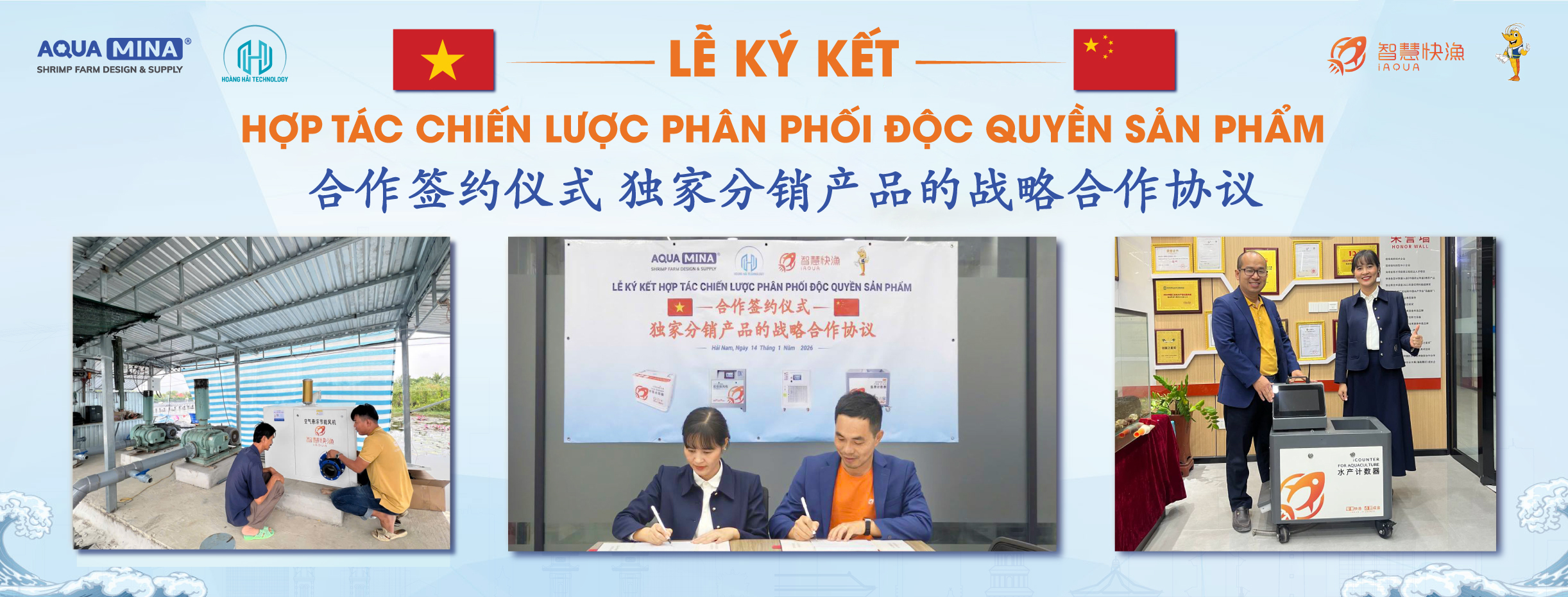
High profits from high-tech shrimp farming come with persistent risks
1. Billions of Dong Evaporate
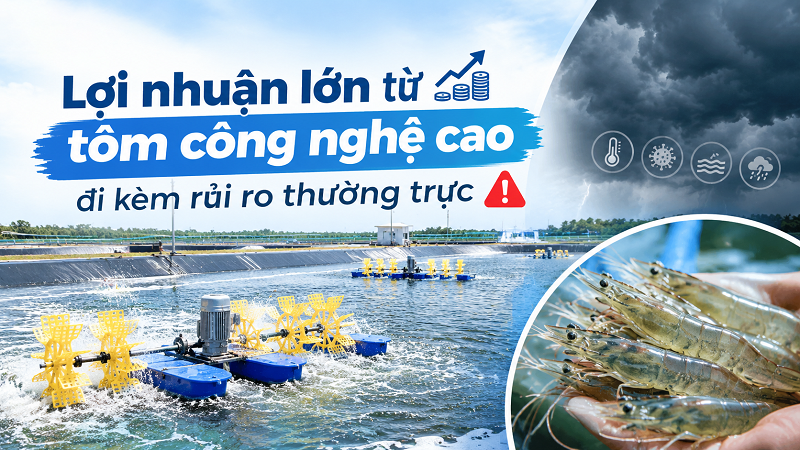
Faced with the severe decline of traditional shrimp farming in Nghe An due to poor water quality and inadequate infrastructure, upgrading to a high-tech model has become an urgent necessity for survival. Recognizing this, Mr. Thai Ba Nghia pioneered an investment in a modern shrimp farm spanning over 5 hectares in the coastal area of Hai Chau.
According to Mr. Bui Xuan Lanh, the project manager, shrimp farming in this area used to be fragmented and small-scale. Although taking over in 2019, Mr. Nghia initially retained the old methods before officially transitioning to advanced technology. Mr. Lanh emphasized that beyond abundant capital and solid expertise, luck plays an extremely crucial role in a shrimp farmer's success or failure.
Transitioning to a scale of over 5 hectares required a complete overhaul costing billions of dong. However, the farm immediately faced severe hardship as natural disasters hit successively in 2025. Two major storms at the end of the year—most notably Typhoon No. 10—devastated the entire infrastructure. Determined not to give up, the farm owner had to inject nearly 2 billion VND more to repair the ponds and replace damaged machinery.
Restoration work encountered countless obstacles due to the massive scale. The farm had to mobilize 3 excavators and dozens of seasonal workers to labor continuously for months, stretching until January 2026 for basic completion. In just over a year, total funding poured into the project reached nearly 7 billion VND.
2. Standing Firm Against the Storm
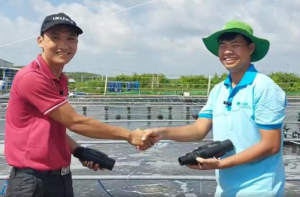
Despite heavy losses, Mr. Thai Ba Nghia and his partners remain steadfast in their high-tech direction. Accompanying the project is an experienced team of experts, including Mr. Do Huu Quynh—an engineer graduated from the Vietnam Academy of Agriculture, who accumulated years of practical experience across shrimp farming regions from North to South, especially in the Mekong Delta.
Currently, the farm has completed most of its modern machinery installation. However, located on a coastal mudflat exposed to frequent strong winds and storms, constructing a roofing system remains unfeasible. The lack of a roof leaves the ponds heavily exposed to harsh weather conditions, particularly extreme day-to-night temperature fluctuations (reaching up to 42°C during the day before dropping sharply at night), creating a high risk of toxic algae and harmful microorganisms blooming.
To solve this problem, Mr. Quynh and the technical team implemented a comprehensive set of solutions:
-
Water Environment Improvement: Increasing the water depth by 40 cm (reaching 1.6 meters) helps regulate temperature, balance pH and alkalinity levels, and minimize harmful bacteria.
-
Biological Immunity Enhancement: Periodically adding probiotics, enzymes, vitamins, and natural herbal extracts (ginger, garlic, turmeric, essential oils) into the feed and water environment right from the stocking stage. This method thoroughly controls pathogens, particularly Enterocytozoon hepatopenaei (EHP), which causes stunted growth in shrimp.
-
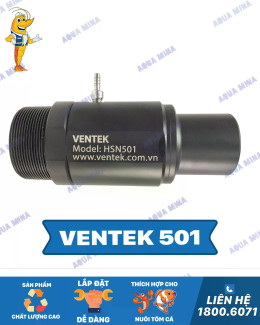
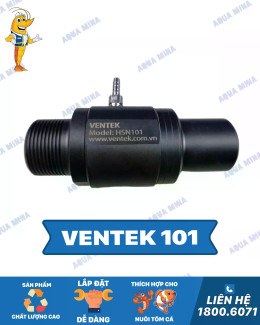
Operational Automation: Installing an automatic siphoning system combined with bottom aeration. This technology effectively collects bottom waste and excess feed without losing shrimp, simultaneously reducing water consumption and optimizing operational costs (a few skilled workers can manage the entire 5-hectare area).
Fully aware that shrimp are extremely sensitive to environmental changes, the farm established a strict 24/7 monitoring process. Depending on the shrimp's age (fed 4 to 6 times daily), technicians inspect the ponds an equivalent number of times. Whenever abnormal signs beyond local handling capabilities are detected, water and shrimp samples are immediately sent to specialized agencies for timely diagnosis and treatment
WE WORK FOR THE SUCCESS!


Russian importers are paying increasing attention to seafood supplies from Pakistan
Ca Mau, Can Tho and An Giang Play a Leading Role in Vietnam’s Shrimp Industry
Protecting rice-shrimp yields against environmental fluctuations caused by prolonged rain
AQUA MINA Turbo Blower: Quiet, Energy-Efficient Air Supply for Aquaculture Ponds
AQUA MINA has accompanied the experimental tank system project at Can Tho University from its very early days
AQUA MINA AMONG 20 OUTSTANDING PRESENTATIONS AT THE WORKSHOP ON APPLYING SCIENCE AND TECHNOLOGY TO IMPROVE THE QUALITY OF VIETNAM’S AQUATIC PRODUCTS
Vietnam’s Shrimp Farming Industry Enters the High-Tech Race
The U.S. market relies heavily on imported shrimp to bridge its domestic supply gap
The 2028 supply crisis: The shrimp industry is projected to face a 400,000-ton material shortage
Intensifying El Niño Effect: Climate Change Risks Threaten the Global Shrimp Supply Chain
Evaluating Gaps in the Circular Economy Value Chain of the Shrimp Industry
A Comprehensive Overview of the Vietnamese Shrimp Industry


.jpg)