

5 Common Mistakes When Buying Cheap Circular Water Storage Tanks
In recent years, the demand for investing in circular water storage tanks has risen sharply in many regions that experience frequent water shortages or prolonged dry seasons. Not only orchards and farms, but also many households are starting to look into large-scale water storage solutions instead of relying solely on small water tanks of just a few hundred liters like before. However, when shopping for a water tank, many customers focus strictly on the cheap price factor while ignoring crucial elements such as actual capacity, material quality, or long-term durability. This oversight causes many people to spend extra money on repairs, upgrades, or complete replacements after just a short period of use.
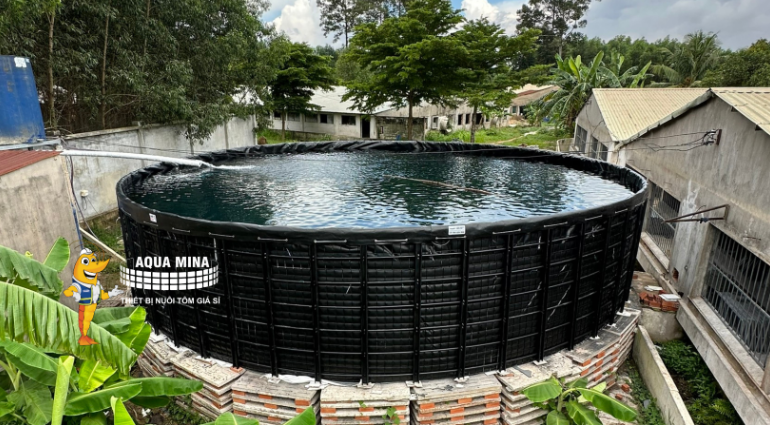
In reality, investing in a water storage tank is not simply buying a product to hold water, but rather investing in a long-term, self-sufficient water supply. Making the wrong choice from the start can lead to subsequent costs that are sometimes much higher than the initial savings.
1. Choosing a Tank Too Small for Actual Needs
The most common mistake today is choosing a storage tank with a capacity that is too small just to reduce initial investment costs. Many customers think that a tank of just a few cubic meters is enough. However, when entering a prolonged dry season, they realize that the stored water volume cannot meet their actual daily life or irrigation needs.
For example, a tank of about 3 cubic meters is only suitable for basic needs over a short period. Meanwhile, large families or areas with frequent water cuts usually need a system of around 10 cubic meters or more to ensure a stable supply. For orchards or small agricultural models, the appropriate capacity can range from 20 to 50 cubic meters, depending on the crop scale and the required storage duration.
Many people initially choose a small tank to save money but later have to build a new one or upgrade the system, driving up the total cost significantly. This is also why customers today are increasingly concerned with the question how many cubic meters does it hold? instead of just looking at the external size of the tank.
2. Falling for Cheap Prices and Choosing Thin Materials
Another mistake that many customers make is choosing cheap tanks made of materials that are too thin or of low quality. The price tag may look appealing at first, but after some time, many issues begin to surface, such as water leaks, cracks, rapid degradation, or damage caused by outdoor heat.
Particularly in areas with high temperatures year-round, low-quality materials will quickly become brittle, rot, or deform. This not only shortens the lifespan of the structure but also causes significant water loss during use.
Currently, many customers tend to prioritize solutions using HDPE liners or high-quality assembled water tanks due to their excellent waterproofing, high durability, and long-term resistance to outdoor heat. Instead of just comparing the initial purchase price, users need to calculate the actual operating costs over many years to avoid the buy cheap, pay more trap.
3. Failing to Calculate the Required Water Volume
Another very common error is that customers do not specifically calculate the amount of water they need to use before investing in a storage tank. Many people just see a tank that looks big and think it's enough, but in reality, their water consumption is much higher than expected.
The most important thing when choosing a storage tank is to determine:
-
How much water the family uses each day
-
Whether the area experiences frequent water shortages
-
Whether water needs to be stored for a prolonged dry season
-
Whether there is additional use for watering plants, livestock, or production
For example, a small family may need to store about 3 to 5 cubic meters to ensure basic living conditions during water shortages. Meanwhile, an orchard or a production facility may need dozens of cubic meters to ensure stable operations.
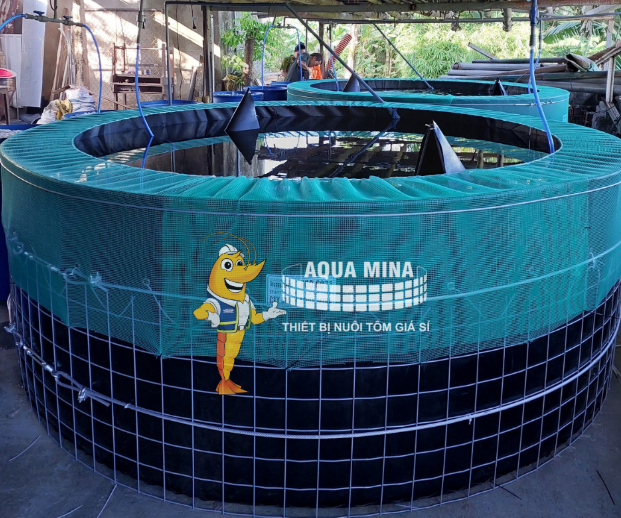
This is why many consultants today often use descriptions like 10 cubic meters or 20 cubic meters instead of just writing the technical unit $m^3$ , making it easier for customers to visualize the actual scale.
4. Buying Tanks with No Warranty or Technical Support
When purchasing a water tank, many customers only care about the price and overlook the warranty or after-sales technical support policy. This mistake leaves many people struggling when the system encounters a problem.
Some cheap products on the market today come with virtually no clear warranty. When issues such as leaks, material failure, or installation errors occur, customers have to handle the repairs themselves at a relatively high cost.
In contrast, quality systems usually come with:
-
A specific warranty policy
-
Clear user instructions
-
A technical support team
-
Consultation on the capacity best suited to actual needs
This is a crucial factor for structures used outdoors for a long time or for large-capacity systems.
5. Choosing Inexperienced Contractors
Many people assume that just buying good materials is enough; however, in reality, construction techniques heavily impact the durability of the water storage tank.
A system that is not installed according to the proper technical standards can face multiple issues, such as:
-
Inadequate ground preparation leading to subsidence
-
Incorrect tilt installation causing stagnant water
-
Improper drainage systems
-
Insufficient reinforcement of the tank wall
Particularly with large tanks of 20 to 50 cubic meters or systems serving agriculture, construction errors can significantly reduce the lifespan of the project and cause severe water leakage.
This is why users should prioritize choosing experienced contractors rather than simply looking for the lowest quote.
Investing in a circular water storage tank is a solution that helps secure a long-term, self-sufficient water supply for both daily life and production. However, if you only focus on the cheap price while ignoring the actual capacity, material quality, or installation techniques, you can easily incur many additional repair and upgrade costs later on.
A proper system must ensure:
-
Sufficient capacity for actual usage needs
-
Durable and highly waterproof materials
-
Stable storage capacity during the dry season
-
Clear support and warranty policies
Most importantly, customers should choose a solution that fits their actual usage needs instead of just looking at the initial price tag.
Choose a water storage solution – Choose AQUA MINA
“Store in the rainy season – Prevail through the dry season”
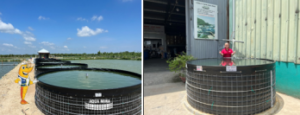
AQUA MINA provides circular water storage tanks and HDPE tank solutions tailored to each actual usage need.
Commitment to quality – optimized capacity – suitable for long-term water storage needs.

WE WORK FOR THE SUCCESS


Ca Mau, Can Tho and An Giang Play a Leading Role in Vietnam’s Shrimp Industry
Protecting rice-shrimp yields against environmental fluctuations caused by prolonged rain
AQUA MINA Turbo Blower: Quiet, Energy-Efficient Air Supply for Aquaculture Ponds
AQUA MINA has accompanied the experimental tank system project at Can Tho University from its very early days
AQUA MINA AMONG 20 OUTSTANDING PRESENTATIONS AT THE WORKSHOP ON APPLYING SCIENCE AND TECHNOLOGY TO IMPROVE THE QUALITY OF VIETNAM’S AQUATIC PRODUCTS
Vietnam’s Shrimp Farming Industry Enters the High-Tech Race
The U.S. market relies heavily on imported shrimp to bridge its domestic supply gap
The 2028 supply crisis: The shrimp industry is projected to face a 400,000-ton material shortage
High profits from high-tech shrimp farming come with persistent risks
Intensifying El Niño Effect: Climate Change Risks Threaten the Global Shrimp Supply Chain
Evaluating Gaps in the Circular Economy Value Chain of the Shrimp Industry
A Comprehensive Overview of the Vietnamese Shrimp Industry



.jpg)