


PVC Knife Gate Valve Leaking Water and Not Closing Tightly: Causes and Detailed Solutions
This article will guide you through identifying the symptoms, discovering the causes, and applying a step-by-step procedure to completely resolve PVC knife gate valve leakage.
1. Signs That Your PVC Knife Gate Valve Has Issues
Before starting repairs, check if your PVC valve is experiencing any of the following symptoms:
-
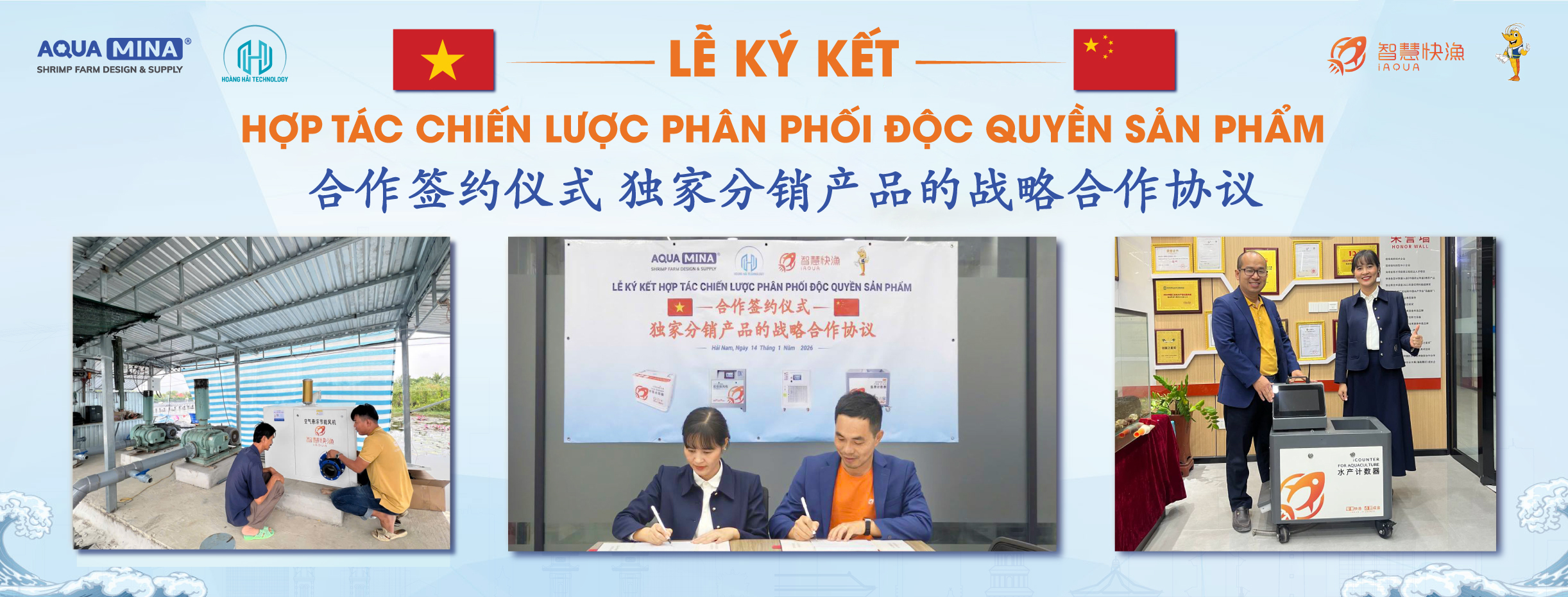
Leakage at the stem (packing gland): Fluid leaks out around the stem or handwheel area while the system is operating.
-
Incomplete closure: Even though the gate blade is fully lowered, water or fluid continues to seep through to the downstream side of the pipe.
-
Stiff or jammed handwheel: Turning the handle requires excessive force, and the blade does not move smoothly or gets misaligned.
2. Causes of Water Leakage and Improper Sealing in PVC Knife Gate Valves
There are several reasons why a PVC knife gate valve loses its sealing capability. Here are the most common causes:
| Cause | Mechanism & Impact |
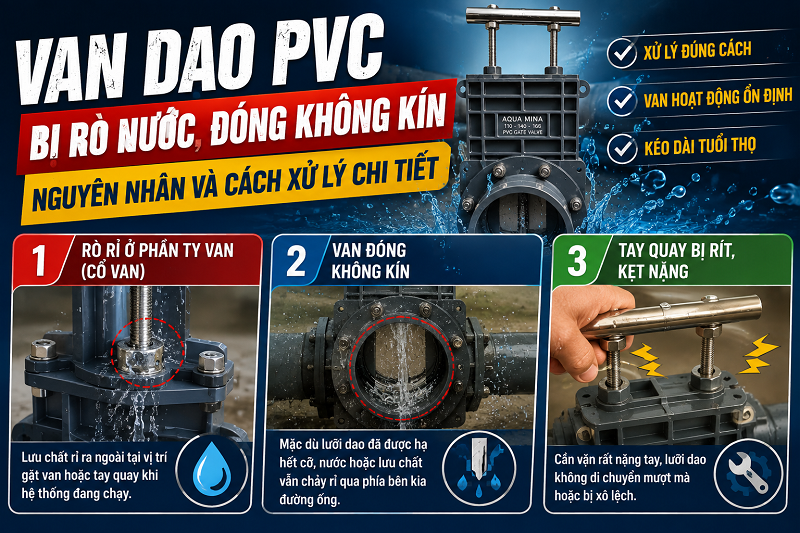
| Debris and sediment trapped in the bottom groove | Sand, dried sludge, or small gravel accumulate in the bottom seating groove, preventing the blade from fully seating. |
| Damaged seal/gasket | The EPDM or PTFE seal becomes hardened, aged over time, or degraded by chemical exposure. |
| Scratched or warped blade | Excessive pipeline pressure or hard debris scratches the seating surface of the blade, or bends it out of shape. |
| Uneven bolt torque during installation | Uneven bolt tightening stretches or distorts the PVC body, leading to seal gaps. |
3. 4-Step On-Site Repair Procedure for Leaking PVC Knife Gate Valves
To resolve the issue safely and effectively, follow these steps in order:
-
Step 1: Disconnect and depressurize
Turn off all pumps, close the isolation valves upstream and downstream, and release all residual pressure from the pipe section containing the valve.
-
Step 2: Clean the seating groove and blade
Turn the handwheel to open the valve completely. Use a high-pressure water jet or a soft tool to clear out dirt, stones, and buildup from the bottom groove and blade surface.
-
Step 3: Inspect and replace the seal
Remove the valve bonnet to inspect the seal assembly. If the rubber seal is cracked, hardened, or frayed, replace it with a new one of identical dimensions and material.
-
Step 4: Align and tighten bolts diagonally
Reassemble the components and tighten the flange bolts using a cross-pattern (diagonal) sequence with equal torque to avoid warping the PVC body. Test-run the system to check for watertightness.
4. Tips to Extend the Lifespan of PVC Knife Gate Valves
-
Install a Y-Strainer upstream: Filters out large debris, gravel, and solid particles before the flow reaches the knife gate valve.
-
Perform regular maintenance: Apply specialized lubricating grease to the valve stem and handwheel threads every 2–3 months.
-
Match valve specifications: Choose the correct pressure rating (PN10, PN16, etc.) and material compatibility for your specific fluid medium.
.png)
If you have completed all the steps above and the valve still leaks due to a cracked plastic body, it is time to replace it with a higher-quality valve.
AQUA MINA CO., LTD
WE WORK FOR THE SUCCESS


Ca Mau, Can Tho and An Giang Play a Leading Role in Vietnam’s Shrimp Industry
Protecting rice-shrimp yields against environmental fluctuations caused by prolonged rain
AQUA MINA Turbo Blower: Quiet, Energy-Efficient Air Supply for Aquaculture Ponds
AQUA MINA has accompanied the experimental tank system project at Can Tho University from its very early days
AQUA MINA AMONG 20 OUTSTANDING PRESENTATIONS AT THE WORKSHOP ON APPLYING SCIENCE AND TECHNOLOGY TO IMPROVE THE QUALITY OF VIETNAM’S AQUATIC PRODUCTS
Vietnam’s Shrimp Farming Industry Enters the High-Tech Race
The U.S. market relies heavily on imported shrimp to bridge its domestic supply gap
The 2028 supply crisis: The shrimp industry is projected to face a 400,000-ton material shortage
High profits from high-tech shrimp farming come with persistent risks
Intensifying El Niño Effect: Climate Change Risks Threaten the Global Shrimp Supply Chain
Evaluating Gaps in the Circular Economy Value Chain of the Shrimp Industry
A Comprehensive Overview of the Vietnamese Shrimp Industry


.jpg)