



Direct:
In shrimp and fish farming systems in particular, if you only inspect the valves when the pipes are already leaking or the valves fail to seal completely, repairs can be time-consuming and disrupt operations. So, when should you inspect knife gate valves? Here are 4 common warning signs to watch out for.
.png)
1. The knife gate valve is harder to open or close than usual
If your PVC knife gate valve previously operated smoothly but starts feeling stiff, stuck, or difficult to turn, this may be a sign that it requires inspection. This can be caused by debris accumulation, operating mechanism issues, or component wear after prolonged use. When you notice an unusual change in operating force, do not force the valve; inspect it immediately.
2. Water continues to flow even when the valve is closed
Another warning sign to note is when the knife gate valve is fully closed, but water continues to pass through. This issue compromises flow control across the system, especially when shutting off water for maintenance or regulating flow between different areas. If this occurs, check the sealing capability of the PVC knife gate valve to identify the root cause before continuing operation.
3. Water leaks around the valve
This is an easily recognizable sign, but it is often ignored when leaks are minor. Be sure to check areas such as:
-
The knife gate valve body
-
Pipe joints and connections
-
The valve stem area
-
Bolts and structural fasteners
A small leak should never be ignored. Early inspection allows operators to proactively resolve issues before they escalate.
4. Visible degradation on the valve body or operating components
Beyond testing valve operation, regularly inspect the exterior condition of the knife gate valve. If you notice cracks or deformation on the valve body, abnormal handle operation, or loose connections, inspect and address the issues promptly. Visual inspections are especially critical for outdoor piping systems and aquaculture environments.
Why perform regular knife gate valve inspections? Routine inspections of PVC knife gate valves help:
-
Detect leaks and damage early
-
Minimize water loss
-
Proactively maintain system integrity
-
Reduce operational disruption risks
-
Extend equipment lifespan
Rather than waiting for pipe leaks or total valve failure, operators should integrate knife gate valve checks into their routine maintenance schedules.
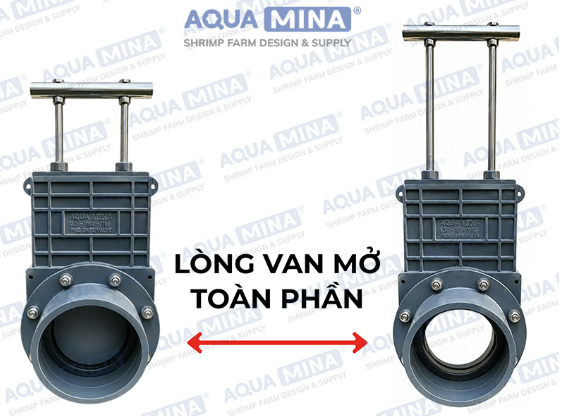
5. Aqua Mina PVC Knife Gate Valves – The ideal choice for piping systems
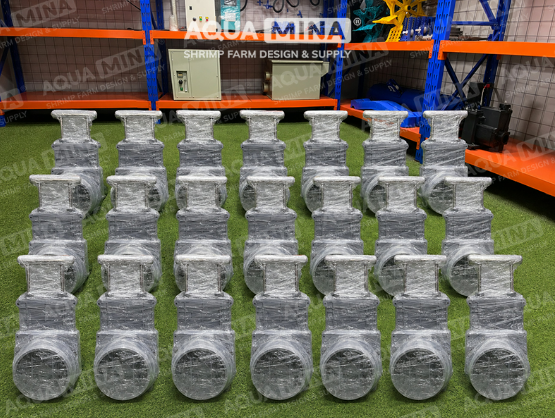
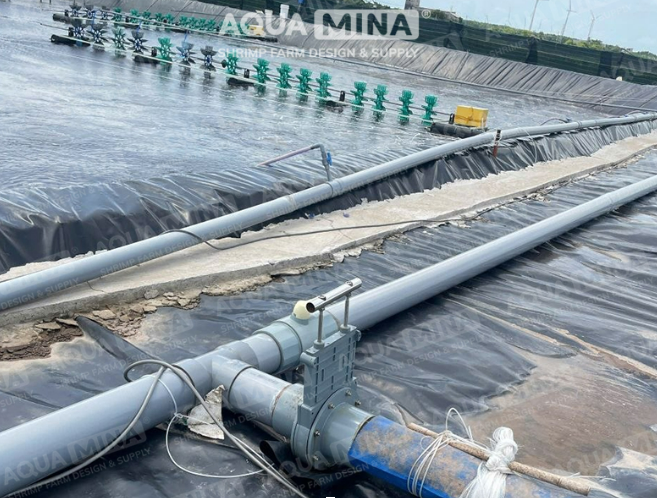
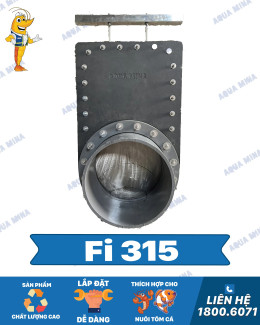
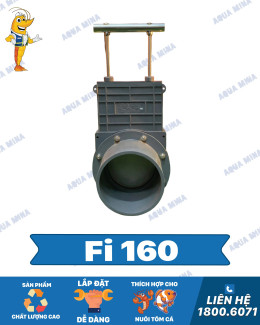
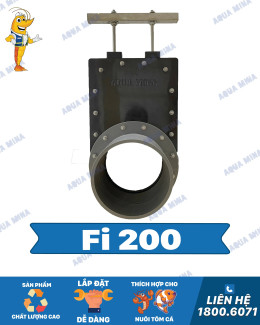
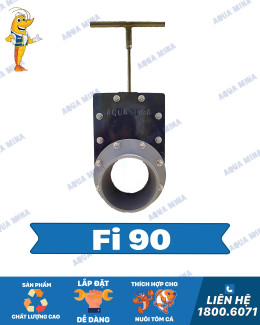
Selecting a knife gate valve suited to pipe dimensions and operating conditions is critical for shrimp farming, fish farming, and general water supply/drainage systems. Aqua Mina PVC knife gate valves are available in Ø140, Ø160, and Ø168 sizes to meet diverse installation needs. The product comes with a 2-year 1-to-1 replacement warranty and nationwide delivery support.
6. Conclusion
Don't wait for a pipe to leak before checking your valves. By paying attention to these 4 signs—stiff operation, incomplete closure, visible leaks, and physical degradation—you can catch issues early and stay ahead of system failures.
AQUA MINA CO., LTD

WE WORK FOR THE SUCCESS


Ca Mau, Can Tho and An Giang Play a Leading Role in Vietnam’s Shrimp Industry
Protecting rice-shrimp yields against environmental fluctuations caused by prolonged rain
AQUA MINA Turbo Blower: Quiet, Energy-Efficient Air Supply for Aquaculture Ponds
AQUA MINA has accompanied the experimental tank system project at Can Tho University from its very early days
AQUA MINA AMONG 20 OUTSTANDING PRESENTATIONS AT THE WORKSHOP ON APPLYING SCIENCE AND TECHNOLOGY TO IMPROVE THE QUALITY OF VIETNAM’S AQUATIC PRODUCTS
Vietnam’s Shrimp Farming Industry Enters the High-Tech Race
The U.S. market relies heavily on imported shrimp to bridge its domestic supply gap
The 2028 supply crisis: The shrimp industry is projected to face a 400,000-ton material shortage
High profits from high-tech shrimp farming come with persistent risks
Intensifying El Niño Effect: Climate Change Risks Threaten the Global Shrimp Supply Chain
Evaluating Gaps in the Circular Economy Value Chain of the Shrimp Industry
A Comprehensive Overview of the Vietnamese Shrimp Industry


.jpg)