



Shrimp diseases are showing an increasing trend in the seafood industry
According to the Department of Animal Health under the Ministry of Agriculture and Rural Development, during the first four months of this year, white spot disease in shrimp appeared in 16 provinces, five fewer provinces compared to the same period last year. However, the shrimp farming area affected by white spot disease reached 5,317 hectares, 2.5 times higher than the same period last year and nearly six times higher than the first four months of 2012. The Department of Animal Health stated that provinces are currently entering the main shrimp farming season, with stocking areas increasing sharply. Meanwhile, hot weather weakens shrimp, combined with heavily polluted environments, making it likely that the disease will continue spreading in many localities and that shrimp mortality areas will continue to rise. According to the Department, based on the epidemiological characteristics of white spot disease, outbreaks can occur during most months of the year, but affected areas tend to increase from early April, which coincides with periods of intense heat. In addition, this is also the time when farmers stock shrimp in large quantities, and the long-standing habit of discharging wastewater directly from infected ponds into rivers and canals has accelerated the spread of the disease. Currently, white spot disease affects both black tiger shrimp and whiteleg shrimp. However, black tiger shrimp have a lower infection rate, accounting for around 32% of affected areas, while whiteleg shrimp account for 68%.
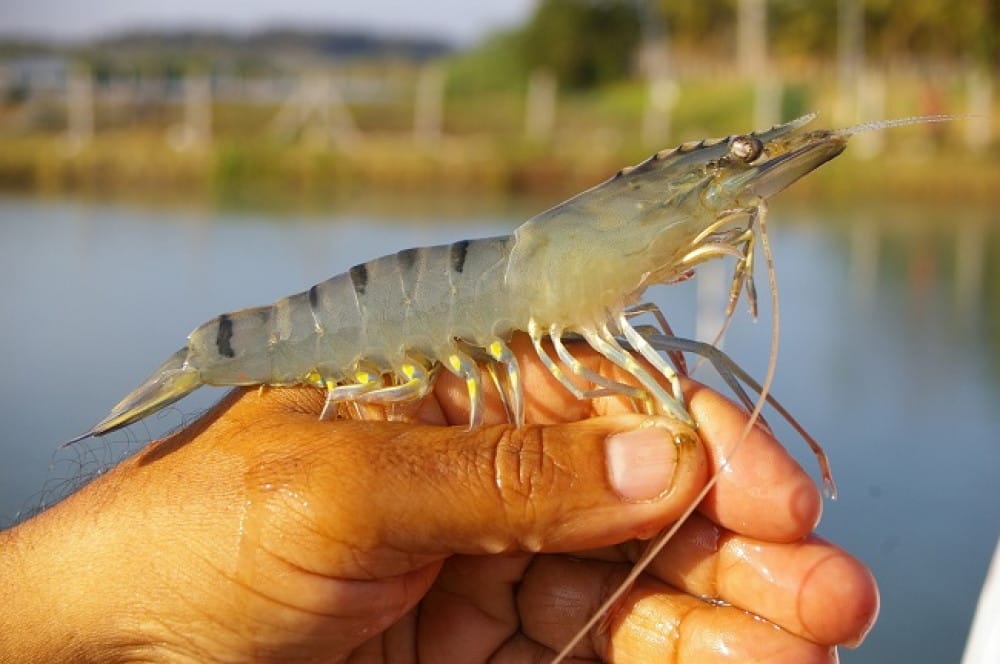
In addition, shrimp are also affected by other diseases such as yellow head disease, infectious hypodermal and hematopoietic necrosis disease, white feces disease, black gill disease, red body syndrome, parasitic infections, and deaths caused by environmental conditions. More concerning, according to the Department of Animal Health, is that over 1,700 hectares of shrimp farms have experienced disease outbreaks without confirmed causes, mainly concentrated in Nghệ An, Thừa Thiên-Huế, Quảng Ngãi, Khánh Hòa, Trà Vinh, and Cà Mau. Therefore, there is a possibility of large-scale disease outbreaks in the near future. On May 9, the Ministry of Agriculture and Rural Development organized a disease prevention conference in Ho Chi Minh City. The purpose of the conference was to provide information on disease situations affecting livestock, poultry, and aquaculture during the first four months of 2014 and to forecast trends for the coming months. According to the Department of Animal Health, there were currently no provinces nationwide reporting avian influenza or blue ear disease in pigs, while foot-and-mouth disease in livestock was only reported in three provinces: Quảng Trị, Sơn La, and Nghệ An.
Source: Navetco

WE WORK FOR THE SUCCESS


Ca Mau, Can Tho and An Giang Play a Leading Role in Vietnam’s Shrimp Industry
Protecting rice-shrimp yields against environmental fluctuations caused by prolonged rain
AQUA MINA Turbo Blower: Quiet, Energy-Efficient Air Supply for Aquaculture Ponds
AQUA MINA has accompanied the experimental tank system project at Can Tho University from its very early days
AQUA MINA AMONG 20 OUTSTANDING PRESENTATIONS AT THE WORKSHOP ON APPLYING SCIENCE AND TECHNOLOGY TO IMPROVE THE QUALITY OF VIETNAM’S AQUATIC PRODUCTS
Vietnam’s Shrimp Farming Industry Enters the High-Tech Race
The U.S. market relies heavily on imported shrimp to bridge its domestic supply gap
The 2028 supply crisis: The shrimp industry is projected to face a 400,000-ton material shortage
High profits from high-tech shrimp farming come with persistent risks
Intensifying El Niño Effect: Climate Change Risks Threaten the Global Shrimp Supply Chain
Evaluating Gaps in the Circular Economy Value Chain of the Shrimp Industry
A Comprehensive Overview of the Vietnamese Shrimp Industry










.jpg)