



Should We Eat Shrimp Heads and Shells?
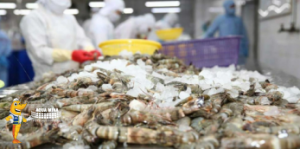
According to the American health website Healthline, 85 grams of shrimp provide 20.4 grams of protein, 0.433 mg of iron, 201 mg of phosphorus, 220 mg of potassium, 1.39 mg of zinc, 33.2 mg of magnesium, and 94.4 mg of sodium. Shrimp is also an excellent source of iodine, a vital mineral for thyroid function and brain health.
When preparing shrimp, many people discard the heads and shells for aesthetic purposes or ease of eating. However, the culinary site Tasting Table suggests keeping the shells and heads during cooking for added benefits.
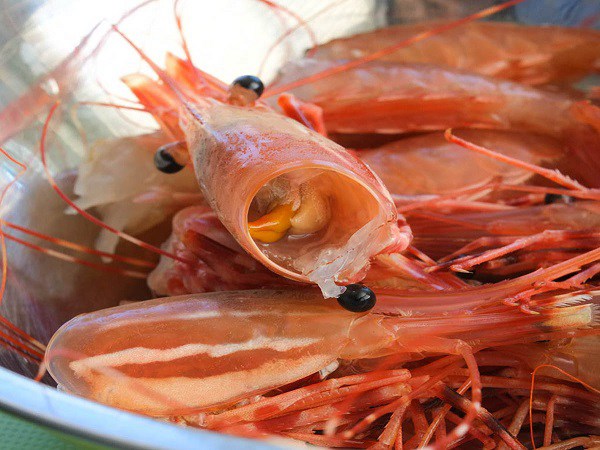
Shrimp shells contain certain ribonucleotide molecules that, when cooked, infuse the meat with enhanced flavor. Additionally, cooking shrimp with their shells on provides a protective barrier that helps retain the shrimp's texture, especially when using high-heat methods.
Furthermore, the shells and heads of shrimp contain chitin, which can promote the growth of healthy gut bacteria. A well-balanced gut microbiome supports digestion and strengthens the immune system.
Scientific research also indicates that the heads of some shrimp species contain lipids, which may reduce the risk of cardiovascular diseases. According to the U.S. National Institutes of Health, shrimp heads are rich in protein, omega-3 fatty acids, and antioxidants like astaxanthin and selenium, which help protect the body's cells.
Despite these benefits, experts advise that certain groups should limit shrimp consumption, including individuals with seafood allergies, high cholesterol, respiratory issues like asthma, or digestive problems.
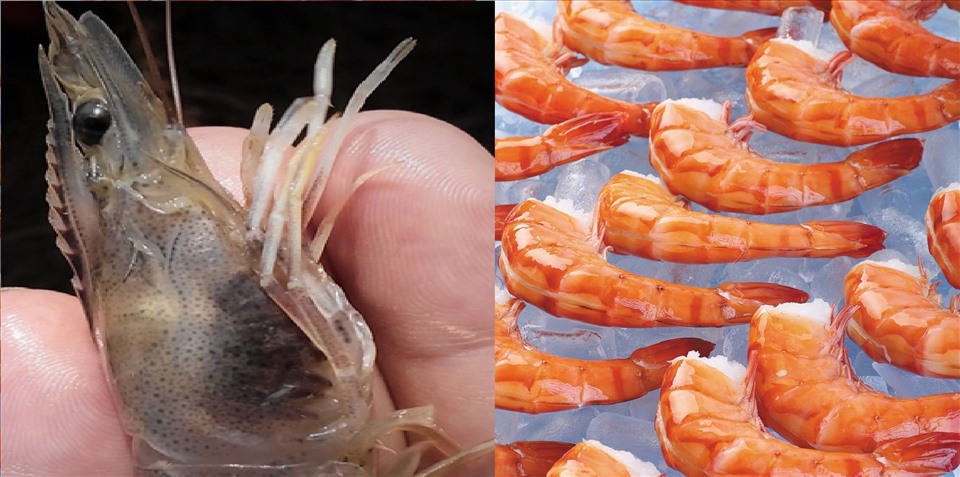
The chewy texture of shrimp shells mainly comes from their moisture content. To make the shells crispy and easier to eat, it’s recommended to use high-heat cooking methods that reduce the moisture, such as frying. Additionally, choosing medium-sized shrimp can make consuming the shells more manageable, as noted by America's Test Kitchen.
Source: THANH NIÊN
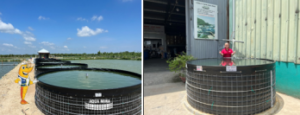
Contact AQUA MINA for consultation and supply of aquaculture round tanks and aquaculture equipment for high-tech shrimp farming.
- Address: 685 National Highway 1A, Binh Hung Hoa Ward, Binh Tan District, Ho Chi Minh City
- Phone: 1800 6071 (Toll-free hotline)
- Email: sales@aquamina.com.vn or oversea@aquamina.com.vn
Aqua Mina's distributor in Japan:
REX INDUSTRIES CO., LTD
- Address: 1-9-3 Hishiya-Higashi, Higashi-Osaka 578-0948 JAPAN
- Email: kimakubo@rexind.co.jp
- Phone: +81-(0)72-961-9893
- Website: http://www.rexind.co.jp/e/
Ngày đăng : 23/11/2024
2630 View


Other Articles
CA MAU ACCELERATES MARINE AQUACULTURE DEVELOPMENT FROM 2026 TO 2030, WITH A VISION TO 2045
VIETNAM’S SHRIMP INDUSTRY: FROM RECORD EXPORTS TO THE RACE FOR EFFICIENCY AND VALUE
Why Did a Customer Travel from Vinh Long to Ho Chi Minh City to Buy AQUA MINA PVC Knife Gate Valve
Green & Digital Transformation: A New Eco-Cycle for Shrimp-Rice Farming
High-Tech Shrimp Farming: A Double-Edged Sword
Why are PVC knife gate valves preferred for bottom drain pipes in shrimp and fish ponds?
EU’s New Packaging Life Cycle Regulations: What Should Seafood Businesses Prepare For?
Wild Shrimp Harvesting Faces Challenges in Supply and Sustainability
Minh Phú Invests in Production Expansion and Accelerates Automation in the Shrimp Industry
The U.S. Shrimp Market Recovers and Moves Toward Stability
What needs to be checked on a knife gate valve before it reaches the customer?
Mastering RAS technology: The answer to green aquaculture



.jpg)