


After heat damage, strengthening farmed shrimp protection during seasonal transitions is required
Cà Mau possesses a large area of improved extensive shrimp farming, but its irrigation system remains limited. This, combined with prolonged heatwaves, has increased water salinity and temperature, leading to a sharp rise in damaged shrimp farming areas. According to statistics from the Department of Agriculture and Environment of Cà Mau Province, since the beginning of the year, the aquaculture area in the province damaged by the impacts of hot weather and saltwater intrusion has exceeded 8,614 hectares. This represents an increase of approximately 6.79 times compared to the same period in 2025 (1,269 hectares).
The affected and damaged areas are predominantly within the improved extensive shrimp farming model, accounting for 8,314 hectares out of the total 384,950 hectares currently under cultivation (making up 2.16%). In terms of damage severity, 6,021 hectares suffered losses between 30% and 70%; 2,082 hectares faced losses below 30%; and 211 hectares experienced over 70% damage (located in Giá Rai Ward).
The affected shrimp are mainly in the 10-to-70-day-old stage. Localities with extensive damage include Nguyễn Phích Commune (2,598 hectares), Trí Phải Commune (1,708 hectares), Đất Mới Commune (1,200 hectares), Hồ Thị Kỷ Commune (569 hectares), among others, with scattered losses in other improved extensive farming areas such as Hoà Thành Ward, Đất Mũi Commune, and Ninh Thạnh Lợi Commune.
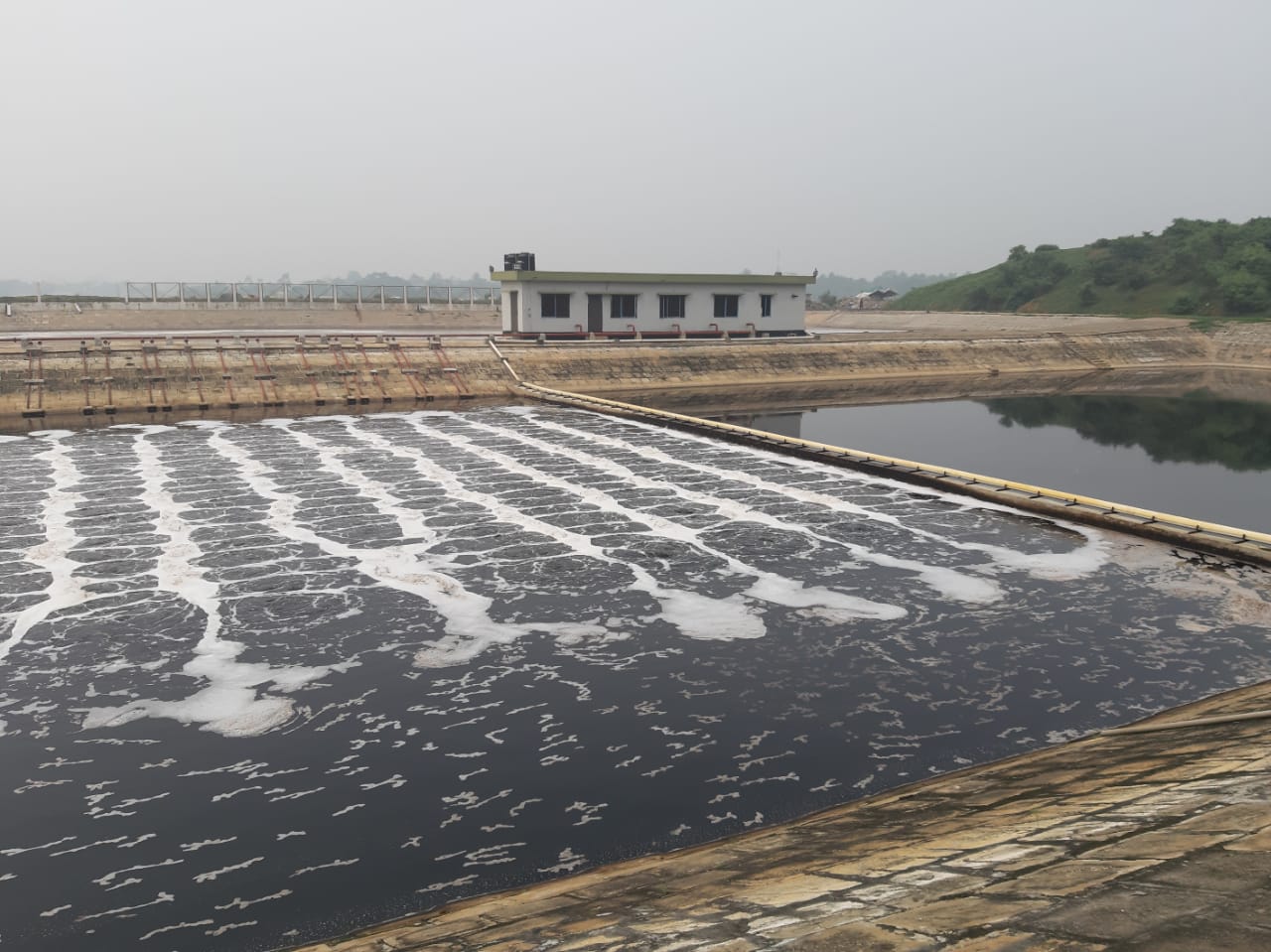
Mr. Phạm Văn Mười, Deputy Director of the Department of Agriculture and Environment, advised: Following the damage caused by the heatwave, the weather is now entering a transitional season with more frequent rainfall and rapid temperature fluctuations, which significantly impact the aquaculture environment. Therefore, shrimp farmers need to regularly monitor environmental factors such as water levels, salinity, and pH levels to make timely adjustments and ensure stable shrimp growth.
Cà Mau currently has a relatively large area dedicated to improved extensive shrimp farming. However, the water supply system, particularly local field irrigation canals, still faces many limitations. This issue, coupled with the prolonged heat that drives up water salinity and temperature, is considered the primary cause behind the recent spike in damaged shrimp farming areas.
Source: baocamau
AQUA MINA CO., LTD
– Address: 685 Le Duc Anh Street, Quarter 39, Binh Hung Hoa Ward, Ho Chi Minh City
– Phone: 1800 6071 (Toll-free hotline)
– Email: sales@aquamina.com.vn or oversea@aquamina.com.vn
– Aqua Mina’s Official Distributor in Japan: REX INDUSTRIES CO., LTD
– Address: 1-9-3 Hishiya-Higashi, Higashi-Osaka 578-0948, JAPAN
– Email: kimakubo@rexind.co.jp
– Phone: +81-(0)72-961-9893
– Website: www.rexind.co.jp/e/

WE WORK FOR THE SUCCESS
Ngày đăng : 21/05/2026
1270 View


Other Articles
Ca Mau, Can Tho and An Giang Play a Leading Role in Vietnam’s Shrimp Industry
Protecting rice-shrimp yields against environmental fluctuations caused by prolonged rain
AQUA MINA Turbo Blower: Quiet, Energy-Efficient Air Supply for Aquaculture Ponds
AQUA MINA has accompanied the experimental tank system project at Can Tho University from its very early days
AQUA MINA AMONG 20 OUTSTANDING PRESENTATIONS AT THE WORKSHOP ON APPLYING SCIENCE AND TECHNOLOGY TO IMPROVE THE QUALITY OF VIETNAM’S AQUATIC PRODUCTS
Vietnam’s Shrimp Farming Industry Enters the High-Tech Race
The U.S. market relies heavily on imported shrimp to bridge its domestic supply gap
The 2028 supply crisis: The shrimp industry is projected to face a 400,000-ton material shortage
High profits from high-tech shrimp farming come with persistent risks
Intensifying El Niño Effect: Climate Change Risks Threaten the Global Shrimp Supply Chain
Evaluating Gaps in the Circular Economy Value Chain of the Shrimp Industry
A Comprehensive Overview of the Vietnamese Shrimp Industry


.jpg)