


The United States significantly reduces anti-dumping duties on Vietnamese frozen warmwater shrimp
The U.S. Department of Commerce (DOC) has announced the final results of the 19th administrative review (POR19) of the anti-dumping duty order on frozen warmwater shrimp exported from Vietnam.
According to the final results released by the DOC, two Vietnamese companies — Soc Trang Seafood Joint Stock Company (STAPIMEX) and Thong Thuan Company (including Thong Thuan Cam Ranh, which the DOC considers a single entity) — were assigned an adverse facts available (AFA) dumping margin of 25.76%, while the cash deposit rate, after deducting export subsidies, is 25.46%. This duty rate is applied directly to shrimp shipments exported by these two companies when entering the U.S. market.
For companies eligible for a separate rate but not subject to mandatory review, the DOC assigned a dumping margin of 4.58% and a cash deposit rate of 4.28%.
Compared to the preliminary results, the final outcome reflects a positive adjustment. In June 2025, the preliminary results drew attention when all 22 Vietnamese companies under review, including STAPIMEX, were subject to a preliminary rate of up to 35.29% — the highest level in more than 19 years of administrative reviews in the shrimp anti-dumping case between Vietnam and the United States. The DOC’s downward revision of the final rates is considered a positive signal, helping reduce cost pressures on exporters and creating more favorable conditions for contract negotiations and supply continuity to the U.S. market.
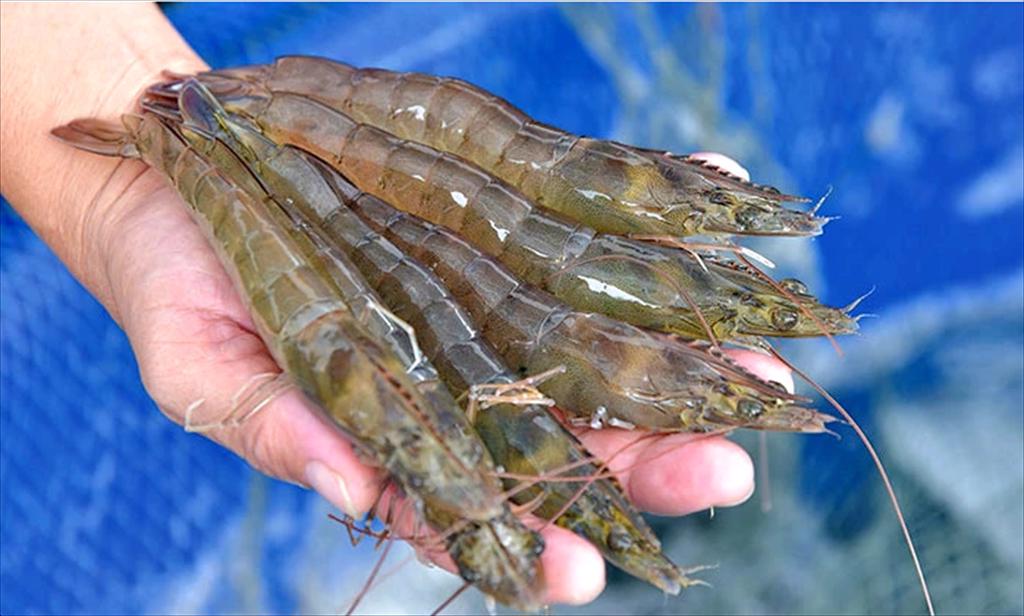
This decision is significant for Vietnamese shrimp exporters as they develop export plans and negotiate contracts with U.S. partners.
In this context, Vietnam’s shrimp exports to the United States continue to record growth. According to updated data, shrimp export turnover to the U.S. market in 2025 reached nearly USD 796 million, up more than 5% compared to the previous year. However, during the POR19 review period, U.S. importers were temporarily cautious in placing orders while awaiting the final results, leading to a temporary slowdown in trade activity.
The reduction of the cash deposit rate for companies granted separate rates compared to the preliminary stage helps the market reassess risk levels in contract signing. With a 4.28% cash deposit rate, businesses are in a more favorable position when quoting prices and signing program-based or seasonal contracts. This also supports Vietnam’s capacity to maintain stable supply to the U.S. market, particularly for customers who prioritize delivery reliability and compliance standards.
The Vietnam Association of Seafood Exporters and Producers (VASEP) is considering appropriate legal actions under U.S. regulations, in coordination with enterprises and relevant stakeholders, to demonstrate that Vietnamese shrimp exports are not dumped and to safeguard the legitimate interests of businesses, farmers, and the shrimp supply chain.
Source: doanhnhan.baophapluat
AQUA MINA CO., LTD
– Address: 685 Le Duc Anh Street, Quarter 39, Binh Hung Hoa Ward, Ho Chi Minh City
– Phone: 1800 6071 (Toll-free hotline)
– Email: sales@aquamina.com.vn or oversea@aquamina.com.vn
– Aqua Mina’s Official Distributor in Japan: REX INDUSTRIES CO., LTD
– Address: 1-9-3 Hishiya-Higashi, Higashi-Osaka 578-0948, JAPAN
– Email: kimakubo@rexind.co.jp
– Phone: +81-(0)72-961-9893
– Website: www.rexind.co.jp/e/

WE WORK FOR THE SUCCESS
Ngày đăng : 22/02/2026
1595 View


Other Articles
Ca Mau, Can Tho and An Giang Play a Leading Role in Vietnam’s Shrimp Industry
Protecting rice-shrimp yields against environmental fluctuations caused by prolonged rain
AQUA MINA Turbo Blower: Quiet, Energy-Efficient Air Supply for Aquaculture Ponds
AQUA MINA has accompanied the experimental tank system project at Can Tho University from its very early days
AQUA MINA AMONG 20 OUTSTANDING PRESENTATIONS AT THE WORKSHOP ON APPLYING SCIENCE AND TECHNOLOGY TO IMPROVE THE QUALITY OF VIETNAM’S AQUATIC PRODUCTS
Vietnam’s Shrimp Farming Industry Enters the High-Tech Race
The U.S. market relies heavily on imported shrimp to bridge its domestic supply gap
The 2028 supply crisis: The shrimp industry is projected to face a 400,000-ton material shortage
High profits from high-tech shrimp farming come with persistent risks
Intensifying El Niño Effect: Climate Change Risks Threaten the Global Shrimp Supply Chain
Evaluating Gaps in the Circular Economy Value Chain of the Shrimp Industry
A Comprehensive Overview of the Vietnamese Shrimp Industry


.jpg)