

Tips to Minimize the Environmental Impact of Shrimp Farming
In efforts to sustain this industry while protecting ecosystems, smart and sustainable steps are necessary. Here are some tips to minimize the environmental impact of shrimp farming that you can implement:
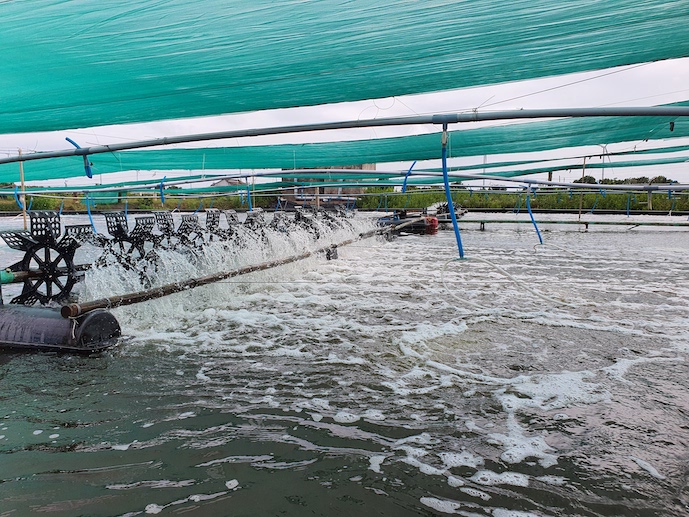
1. Selecting the Right Location
Choose shrimp farming locations that are ecologically non-sensitive. Avoid areas vulnerable to coastal erosion, intact mangrove forests, or regions with high biodiversity.
Selecting the right location can reduce negative environmental impacts and promote sustainable shrimp farming practices.
2. Efficient Water Management
Effective water management is crucial for vannamei shrimp farming. This helps avoid pollution and reduces excessive water use, thereby supporting environmental sustainability.
3. Sustainable Feed Choices
Choosing sustainable feed is crucial to minimize environmental impacts of shrimp farming. The composition of shrimp feed determines the nutrients absorbed by shrimp for their growth. Ensure that the feed composition is nutritionally adequate while remaining eco-friendly.
4. Water Quality Monitoring
Regularly monitor water quality around the farming area. Ensure parameters like dissolved oxygen levels, salinity, and water clarity remain optimal to support shrimp growth and prevent environmental pollution.
5. Use of Environmentally Friendly Technologies
Employ the latest environmentally friendly technologies in shrimp farming systems. For example, implement drilling technologies to minimize damage to underwater ecosystems during infrastructure development.
6. Environmental Stewardship Practices
Shrimp farming practices should be responsible and considerate of surrounding environmental conditions, particularly in waste management. Many farmers still lack proper waste management facilities due to land and capital limitations.
Environmental stewardship involving good waste management practices should be implemented throughout the farming cycle, from pond cleaning to managing aquaculture wastewater.
7. Collaboration with Stakeholders
The final tip to minimize the environmental impact of shrimp farming is collaboration among involved parties. This includes tighter and more sustainable operational standards and regulations.
Cre: delosaqua.com
Contact AQUA MINA for consultation and supply of aquaculture round tanks and aquaculture equipment for high-tech shrimp farming.
- Address: 685 National Highway 1A, Binh Hung Hoa Ward, Binh Tan District, Ho Chi Minh City
- Phone: 1800 6071 (Toll-free hotline)
- Email: sales@aquamina.com.vn or oversea@aquamina.com.vn
Aqua Mina's distributor in Japan:
REX INDUSTRIES CO., LTD
- Address: 1-9-3 Hishiya-Higashi, Higashi-Osaka 578-0948 JAPAN
- Email: kimakubo@rexind.co.jp
- Phone: +81-(0)72-961-9893
- Website: http://www.rexind.co.jp/e/
WE WORK FOR YOUR SUCCESS!
Ngày đăng : 01/01/2025
2963 View


Other Articles
AQUA MINA AMONG 20 OUTSTANDING PRESENTATIONS AT THE WORKSHOP ON APPLYING SCIENCE AND TECHNOLOGY TO IMPROVE THE QUALITY OF VIETNAM’S AQUATIC PRODUCTS
Vietnam’s Shrimp Farming Industry Enters the High-Tech Race
The U.S. market relies heavily on imported shrimp to bridge its domestic supply gap
The 2028 supply crisis: The shrimp industry is projected to face a 400,000-ton material shortage
High profits from high-tech shrimp farming come with persistent risks
Intensifying El Niño Effect: Climate Change Risks Threaten the Global Shrimp Supply Chain
Evaluating Gaps in the Circular Economy Value Chain of the Shrimp Industry
A Comprehensive Overview of the Vietnamese Shrimp Industry
CA MAU ACCELERATES MARINE AQUACULTURE DEVELOPMENT FROM 2026 TO 2030, WITH A VISION TO 2045
VIETNAM’S SHRIMP INDUSTRY: FROM RECORD EXPORTS TO THE RACE FOR EFFICIENCY AND VALUE
Why Did a Customer Travel from Vinh Long to Ho Chi Minh City to Buy AQUA MINA PVC Knife Gate Valve
Green & Digital Transformation: A New Eco-Cycle for Shrimp-Rice Farming


.jpg)