

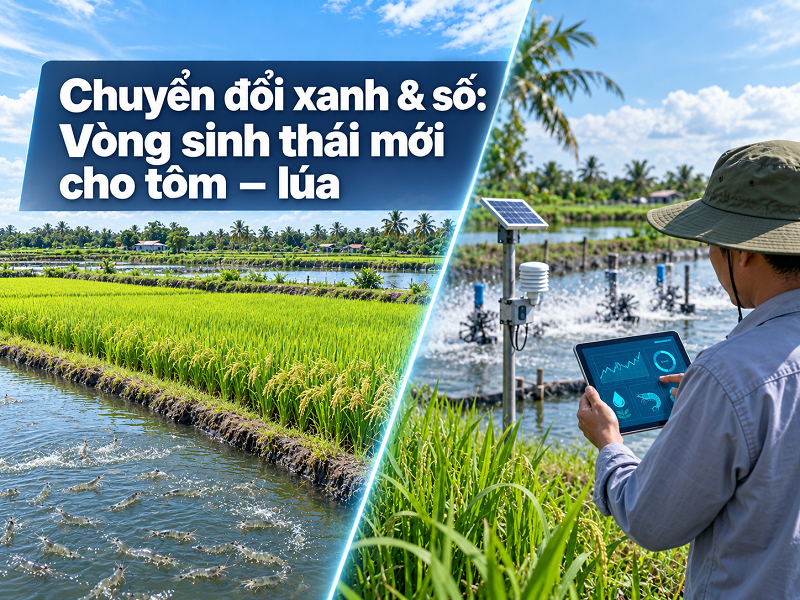
Green & Digital Transformation: A New Eco-Cycle for Shrimp-Rice Farming
Ca Mau is converting shrimp-rice waste into high-value resources through circular production chains, mitigating environmental impacts while optimizing production costs.
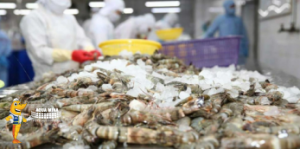
Instead of discharging nearly 50% of the shrimp's weight (heads and shells), Vietnam Food Company (Luong The Tran Commune) has turned this byproduct into valuable bio-based materials such as chitin, chitosan, shrimp protein, and organic fertilizers. Proactively purchasing siphoned shrimp shells from industrial farming ponds in Ca Mau allows the company to secure its raw material supply while directly easing the environmental pollution burden.
Achieving 61 hectares of EU-standard rice in early 2026 in Tri Phai Commune is not merely a quality certificate for rice grains. This stringent standard serves as a positive driver forcing local authorities to tighten management across the entire supply chain—from input materials to byproduct recycling—turning the rice crop into a multi-value economic ecosystem.
Turning Waste into High-Value Resources
With 435,000 hectares of shrimp farming (40% of the national total), Ca Mau is restructuring its shrimp-rice sector amidst disease and environmental pressures. The southernmost aquaculture hub is forcefully shifting from a yield exploitation mindset to regenerative production, closing circular value chains to optimize resource efficiency and boost profitability per unit area.
-
Shrimp Shell Recycling: Vietnam Food collects head and shell byproducts from farms and processing plants to produce chitin, chitosan, shrimp protein, and organic fertilizers instead of discharging them into the environment.
-
Recirculating Aquaculture (RAS-IMTA): Tan Hung Cooperative filters siphoned water through a biological tilapia farming system to absorb organic waste before reuse. This model optimizes water management, lowers costs, and achieves yields of 45–50 tons/ha.
-
Rice Straw Valorization: Tri Luc Cooperative converts post-harvest rice straw into organic fertilizer for the subsequent shrimp crop, extending the rice crop's life cycle and developing 61 ha of EU-certified rice.
Scaling Challenges & Supply Chain Integration Solutions
-
Capital and Land Bottlenecks: Only 3 out of 21 local intensive shrimp cooperatives have adopted the RAS-IMTA model due to high upfront equipment costs and land requirements for settling and recirculation ponds.
-
Tripartite Alliance Model: Minh Phu Seafood Group partners with local government and cooperatives to deploy 500 ha of RAS-IMTA, where the enterprise provides technology and market access, the State establishes supportive policies, and farmers act as direct operators.
This transition helps Ca Mau complete its green agricultural ecosystem: reducing waste, lowering emissions, and enhancing the competitive value of agricultural products from the southernmost region.
The greening journey from farming ponds to rice fields is turning environmental challenges into a competitive advantage for Ca Mau. By converting byproducts into valuable resources, the southernmost shrimp-rice hub is pioneering proof that modern agriculture is not merely about yield extraction, but about optimizing waste and environmental regeneration.
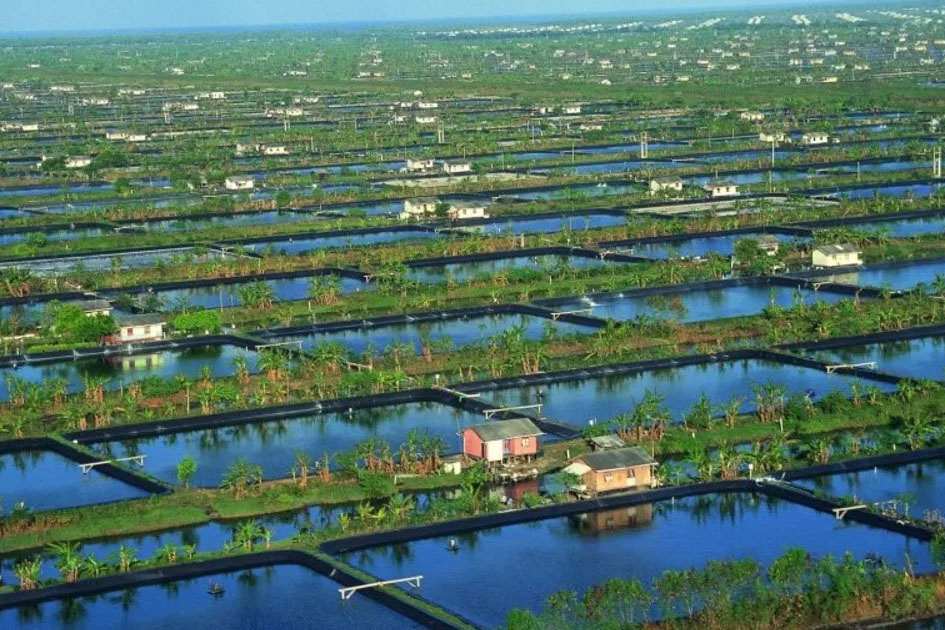
The 500-hectare RAS-IMTA model between Minh Phu and local cooperatives is a prime example of integrated synergy: the enterprise handles technology and markets, the cooperative serves as a bridge, the State enables through policy, and farmers execute directly. Only when these four links are tightly connected can an isolated technical model evolve into a large-scale, highly competitive commercial production zone.
AQUA MINA CO., LTD
WE WORK FOR THE SUCCESS


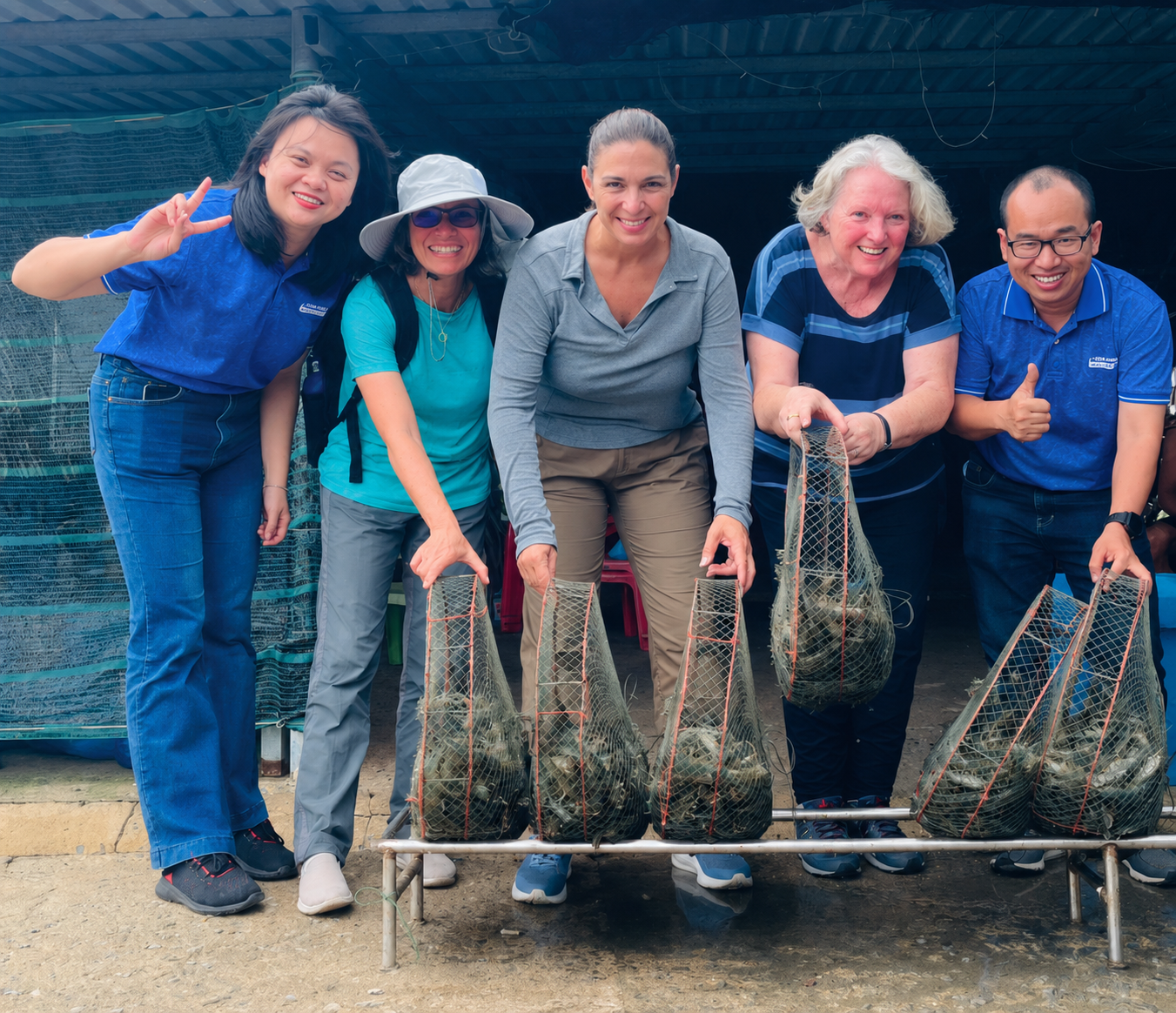
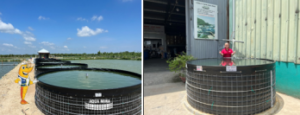
AQUA MINA has accompanied the experimental tank system project at Can Tho University from its very early days
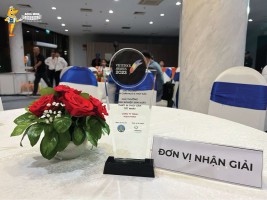
AQUA MINA AMONG 20 OUTSTANDING PRESENTATIONS AT THE WORKSHOP ON APPLYING SCIENCE AND TECHNOLOGY TO IMPROVE THE QUALITY OF VIETNAM’S AQUATIC PRODUCTS
Vietnam’s Shrimp Farming Industry Enters the High-Tech Race
The U.S. market relies heavily on imported shrimp to bridge its domestic supply gap
The 2028 supply crisis: The shrimp industry is projected to face a 400,000-ton material shortage
High profits from high-tech shrimp farming come with persistent risks
Intensifying El Niño Effect: Climate Change Risks Threaten the Global Shrimp Supply Chain
Evaluating Gaps in the Circular Economy Value Chain of the Shrimp Industry
A Comprehensive Overview of the Vietnamese Shrimp Industry
CA MAU ACCELERATES MARINE AQUACULTURE DEVELOPMENT FROM 2026 TO 2030, WITH A VISION TO 2045
VIETNAM’S SHRIMP INDUSTRY: FROM RECORD EXPORTS TO THE RACE FOR EFFICIENCY AND VALUE
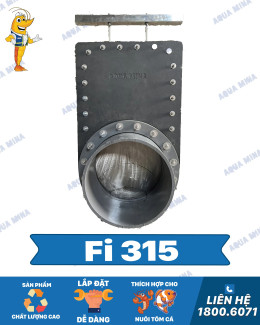
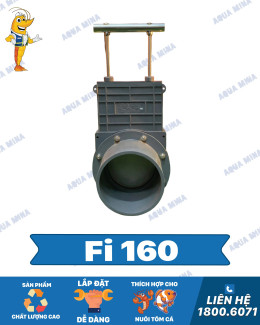
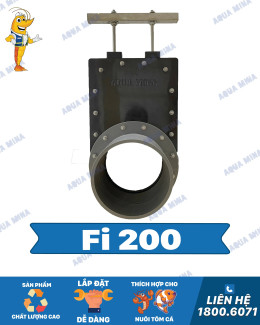
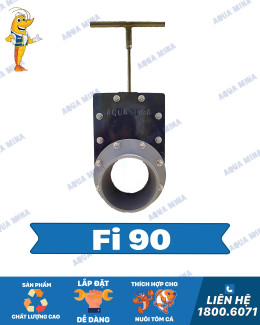
Why Did a Customer Travel from Vinh Long to Ho Chi Minh City to Buy AQUA MINA PVC Knife Gate Valve

.jpg)