

How strictly is the chlorine gas management process controlled?
1. Toxic Gas Leak Incident in Hanoi and Questions Over Its Origin
Recently, a toxic gas leak at a scrap yard in Me Son village (Thuong Phuc commune, Hanoi) resulted in 55 residents being hospitalized with chest tightness and difficulty breathing (an increase from initial reports). Notably, the gas cylinder was located right in the middle of a densely populated residential area. Even after two days, authorities have yet to determine the origin of the cylinder, while the scrap yard owner remains in critical condition due to severe poisoning.
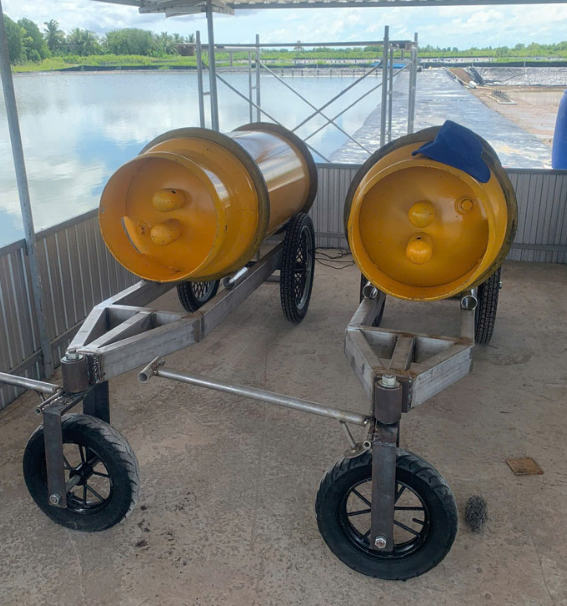
2. Danger Level and Impacts of Chlorine Gas
According to Assoc. Prof. Dr. Le Thi Huyen (VNU University of Science), chlorine is a toxic, yellowish-green gas with a pungent odor, approximately 2.5 times heavier than air. Although widely used in water treatment, bleaching agents, and industrial chemicals, gaseous chlorine is a powerful oxidizing agent:
-
Mechanism of Harm: Upon leaking, the toxic gas tends to sink and accumulate in low-lying, enclosed, or poorly ventilated areas. Inhaling chlorine causes respiratory tract irritation, leading to eye stinging, coughing, acute pulmonary edema, and even death. Lung damage may progress hours after exposure.
-
Dispersion & Environmental Impact: The toxic cloud can spread hundreds of meters downwind. Chlorine dissolves in water and reacts with soil surfaces, causing leaf necrosis (turning dark brown) and posing a threat to aquatic life.
3. Legal Regulations and Strict Management Procedures
Due to its high toxicity, the Law on Chemicals (effective from January 1, 2026) alongside industrial technical standards strictly regulate chlorine across all stages:
-
Storage: Facilities must be isolated from residential areas and equipped with floor-level ventilation systems to extract settled gas. Cylinders must be made of specialized pressure-resistant steel, feature clear hazard labels, and undergo periodic inspection.
-
Transportation: Strictly controlled like moving a time bomb. Transport must use specialized vehicles, avoid crowded areas, prohibit co-transport with flammable substances or powdered metals, and carry emergency response kits including self-contained breathing masks.
4. Rescue Procedures and Scrap Management Lessons
-
Emergency Response Plan: Hanoi Fire Prevention, Fighting and Rescue Police execute a synchronized 4-step procedure: (1) Isolate the area and evacuate residents upwind or to higher ground; (2) Rescuers equip full-body chemical protective suits and Self-Contained Breathing Apparatus (SCBA); (3) Deploy water fog/curtains to dissolve and dilute the toxic gas cloud; (4) Seal leaking valves or submerge the cylinder in an alkaline solution for complete neutralization.
-
Recommendations: The incident highlights loopholes in managing used industrial chemical cylinders. Even residual gas in scrap cylinders can leak if disassembled improperly. Residents must never attempt to handle leaks themselves, and authorities must thoroughly test air, soil, and water contamination before declaring an area safe.
WE WORK FOR THE SUCCESS!


Building 48 Value Chains: Ca Mau Strives for Sustainable Shrimp Farming
Vietnam's shrimp industry is still struggling to achieve self-sufficiency in breeding stock.
EVFTA paves the way for Vietnamese seafood to conquer high-end markets
Russian importers are paying increasing attention to seafood supplies from Pakistan
Ca Mau, Can Tho and An Giang Play a Leading Role in Vietnam’s Shrimp Industry
Protecting rice-shrimp yields against environmental fluctuations caused by prolonged rain
AQUA MINA Turbo Blower: Quiet, Energy-Efficient Air Supply for Aquaculture Ponds
AQUA MINA has accompanied the experimental tank system project at Can Tho University from its very early days
AQUA MINA AMONG 20 OUTSTANDING PRESENTATIONS AT THE WORKSHOP ON APPLYING SCIENCE AND TECHNOLOGY TO IMPROVE THE QUALITY OF VIETNAM’S AQUATIC PRODUCTS
Vietnam’s Shrimp Farming Industry Enters the High-Tech Race
The U.S. market relies heavily on imported shrimp to bridge its domestic supply gap
The 2028 supply crisis: The shrimp industry is projected to face a 400,000-ton material shortage