



Indonesia implements radioactive-free shrimp certification for exports to the United States
The Indonesian government has launched a “Cs-137-free shrimp” certification program for export shipments to the United States, following the U.S. Food and Drug Administration (FDA)’s detection of traces of the radioactive isotope Cesium-137 (Cs-137) in an Indonesian shrimp shipment in August 2025 and the issuance of Import Alert #99-52.
The Ministry of Marine Affairs and Fisheries (KKP), through the Quality Control Agency, is responsible for carrying out the certification. The head of the KKP Quality Agency, Ishartini, stated: “The certification procedure has been developed according to FDA requirements and Import Alert #99-52.”
The contamination source was identified in the Cikande industrial area of Banten Province, near Serang, caused by imported metal scrap containing Cs-137 — not from shrimp farms. The FDA recalled products from PT. Bahari Makmur Sejati (BMS Foods) and temporarily suspended imports. Shrimp is a key export commodity for Indonesia, valued at USD 1.7–2.2 billion in 2024, accounting for around 40% of total seafood export revenue.
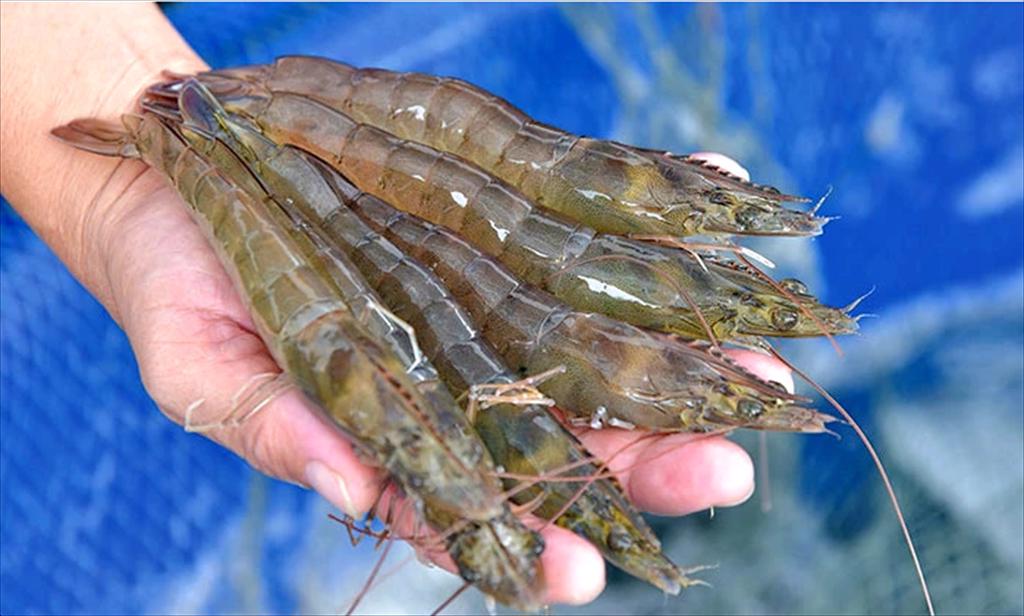
KKP, in coordination with Bapeten and BRIN, has conducted inspections at critical points in the production chain in Java and Lampung. The first batch of shrimp carrying the “Cs-137-free” certification departed from Tanjung Priok Port, Jakarta, on October 31, 2025, heading to New York and Los Angeles; the next shipment was sent to Miami and Jacksonville on November 1.
Minister Sakti Wahyu Trenggono emphasized KKP’s commitment: “We ensure quality throughout the entire production chain, making our products safe and reliable for the international market.” Indonesia has also removed more than 550 tons of Cs-137–contaminated materials from 22 factories and industrial zones to minimize risks and strengthen the reputation of its seafood sector.

WE WORK FOR THE SUCCESS


Ca Mau, Can Tho and An Giang Play a Leading Role in Vietnam’s Shrimp Industry
Protecting rice-shrimp yields against environmental fluctuations caused by prolonged rain
AQUA MINA Turbo Blower: Quiet, Energy-Efficient Air Supply for Aquaculture Ponds
AQUA MINA has accompanied the experimental tank system project at Can Tho University from its very early days
AQUA MINA AMONG 20 OUTSTANDING PRESENTATIONS AT THE WORKSHOP ON APPLYING SCIENCE AND TECHNOLOGY TO IMPROVE THE QUALITY OF VIETNAM’S AQUATIC PRODUCTS
Vietnam’s Shrimp Farming Industry Enters the High-Tech Race
The U.S. market relies heavily on imported shrimp to bridge its domestic supply gap
The 2028 supply crisis: The shrimp industry is projected to face a 400,000-ton material shortage
High profits from high-tech shrimp farming come with persistent risks
Intensifying El Niño Effect: Climate Change Risks Threaten the Global Shrimp Supply Chain
Evaluating Gaps in the Circular Economy Value Chain of the Shrimp Industry
A Comprehensive Overview of the Vietnamese Shrimp Industry












.jpg)
