



Philippine project to develop vaccine against tilapia lake virus
A Philippine project is developing a vaccine against Tilapia Lake Virus (TiLV). Funded by the Philippine Council for Agriculture, Aquatic and Natural Resources, Research and Development Department of Science and Technology (DOST-PCAARRD), the project Development of Baculovirus Expression Vector System (BEVS)-based subunit protein vaccine against tilapia lake virus hopes to develop a rationally designed oral subunit protein fish vaccine against tilapinevirus using BEVS.
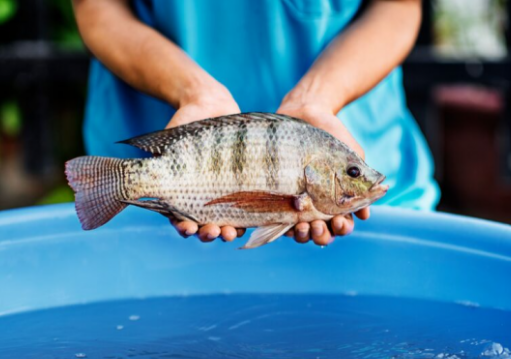
In its first year of implementation, the project started its preliminary experiments in preparation of the recombinant baculoviruses. The project is also set to screen antiviral drug targets and antiviral candidates using in-silico and in vitro approaches as well as create a diagnostic platform that can be used in disease surveillance and diagnostics.
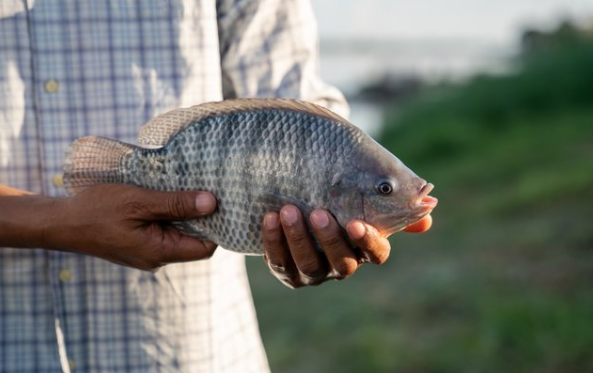
In September 2023, the project team, led by Casiano Choresca Jr., sealed a partnership with Taiwan collaborators from Chung Yuan Christian University to advance science-based solutions to enhance the tilapia industry.
The World Organization for Animal Health reported that the presence of TiLV in the Philippines is a newly emerging viral pathogen. The considerable mortality rate of tilapia caused by TiLV infections poses potential threats to food security, nutrition and the economy since tilapia has been regarded as a primary commodity.
Cre: Hatchery Feed Management


Ca Mau, Can Tho and An Giang Play a Leading Role in Vietnam’s Shrimp Industry
Protecting rice-shrimp yields against environmental fluctuations caused by prolonged rain
AQUA MINA Turbo Blower: Quiet, Energy-Efficient Air Supply for Aquaculture Ponds
AQUA MINA has accompanied the experimental tank system project at Can Tho University from its very early days
AQUA MINA AMONG 20 OUTSTANDING PRESENTATIONS AT THE WORKSHOP ON APPLYING SCIENCE AND TECHNOLOGY TO IMPROVE THE QUALITY OF VIETNAM’S AQUATIC PRODUCTS
Vietnam’s Shrimp Farming Industry Enters the High-Tech Race
The U.S. market relies heavily on imported shrimp to bridge its domestic supply gap
The 2028 supply crisis: The shrimp industry is projected to face a 400,000-ton material shortage
High profits from high-tech shrimp farming come with persistent risks
Intensifying El Niño Effect: Climate Change Risks Threaten the Global Shrimp Supply Chain
Evaluating Gaps in the Circular Economy Value Chain of the Shrimp Industry
A Comprehensive Overview of the Vietnamese Shrimp Industry












.jpg)
