

Sharing: The importance and measures to control dissolved oxygen levels in aquaculture
Importance
Dissolved oxygen concentration (DO) is one of the most important water quality parameters in aquaculture. It determines the growth and development of aquatic organisms and plays a vital role in photosynthesis and maintaining water quality by preventing the accumulation of organic matter. Most aquatic animals require dissolved oxygen for respiration.
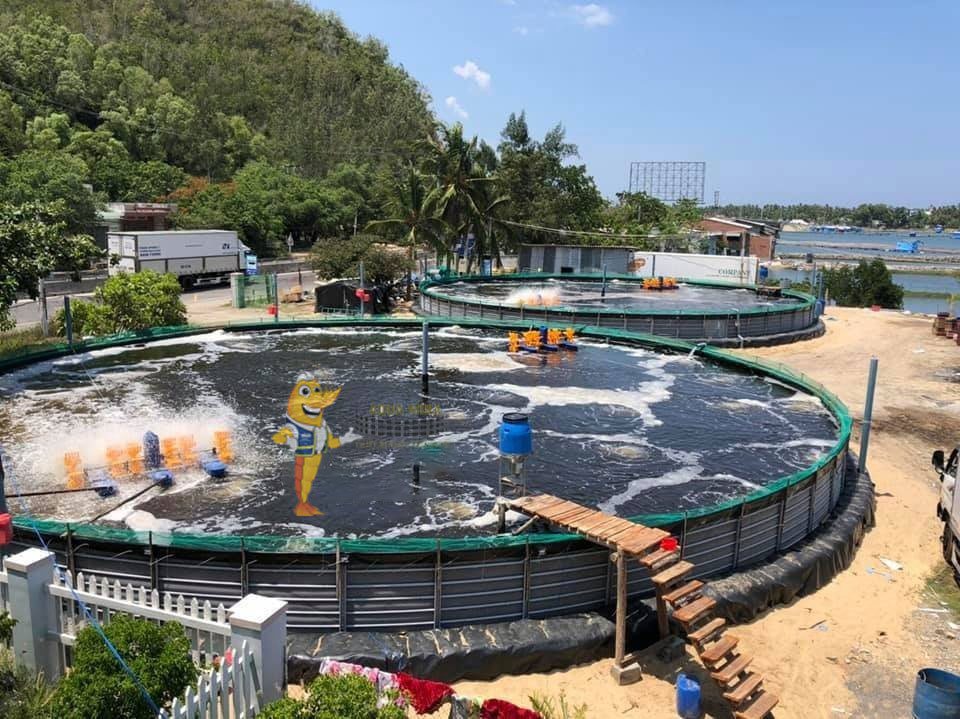
Low DO levels can cause stress to shrimp and fish, making them more susceptible to disease, reducing feed intake, slowing growth, and increasing FCR due to excess feed waste and the accumulation of toxic gases. In addition, low DO can alter the microbial community, leading to an increase in harmful bacteria and a decrease in beneficial bacteria. Conversely, excessively high DO can make growth difficult to control and cause algal blooms. The ideal DO range for aquaculture systems is 6–8 ppm.
DO levels can be measured by various methods including titration, electrochemical, and colorimetric methods.
Factors affecting DO in aquaculture
-
Temperature: Warm water holds less oxygen than cold water. As water temperature increases, DO decreases.
-
Salinity: Dissolved oxygen levels in seawater are lower than in freshwater. When salinity increases, DO decreases.
-
pH: Both very low and very high pH values can negatively affect DO in ponds.
-
Algal growth: Excessive algae consume large amounts of DO, leading to severe oxygen depletion.
Methods to control DO levels
-
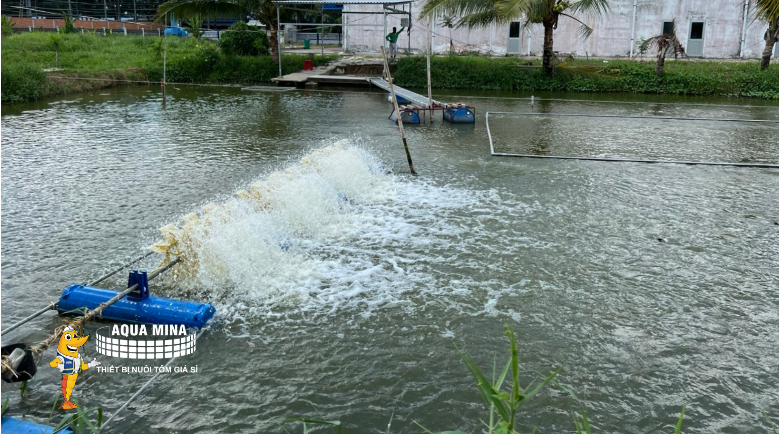
Add dissolved oxygen to the water by installing paddlewheels, water sprayers, air blowers, or compressors depending on pond conditions.
-
Increase surface area by adding plants or rocks to enhance gas exchange.
-
Reduce organic load by frequent water exchange and removing waste.
-
Manage feed properly and maintain appropriate stocking density.
-
Maintain suitable algal density in the system.
Source: nguoinuoitom.vn
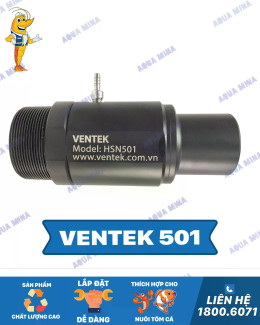
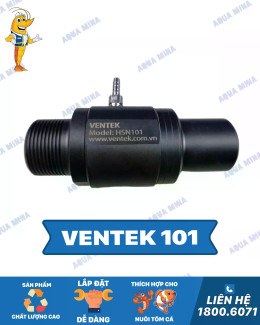
Ventek Microbubble Diffuser – Advanced Oxygen Solution
The Ventek microbubble diffuser, combined with a pure oxygen generator, is currently the most effective solution for ultra-fine oxygenation.
-
Cost efficiency: Initial investment is only 50% and operating cost is 20% compared to traditional bottom aeration systems, while completely replacing outdated methods.
-
Labor saving: Eliminates the need to clean diffuser pipes after each crop. No fungal buildup on pipes, cleaner pond bottoms, and reduced labor.
-
Performance: Practical DO measurements at Aqua Mina show that Ventek helps shrimp reach larger sizes more easily, especially effective in the final grow-out stage when oxygen demand peaks. Larger shrimp fetch higher prices and increase farming profitability.
Product Variants
Ventek microbubble diffusers are available in 3 capacities: 100 L/min, 300 L/min, and 500 L/min.
Advantages
-
Unique vortex technology ensures superior oxygen mixing, exclusively developed and patented by HueTronics.
-
Durable materials: Made from POM (Polyoxymethylene) with high thermal resistance, mechanical strength, wear resistance, and light weight; suitable for saltwater. The air inlet is stainless steel 316, resistant to seawater corrosion. Warranty up to 36 months for manufacturer defects.
-
Flexible capacity options: Suitable for nursing ponds from 100 m² to grow-out ponds up to 2,000 m².
-
Wide compatibility: Works with most centrifugal pumps with a head of 13–15 m and flow rates matching Ventek diffuser capacity.
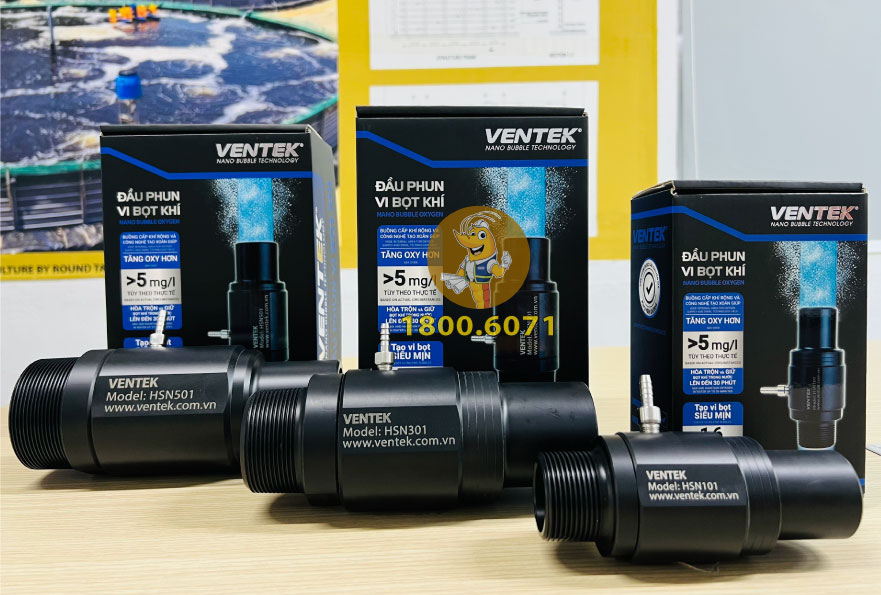
The product has been developed and tested for over 5 years at shrimp farms in Hue, Can Gio, Soc Trang, and other provinces, with proven effectiveness.
AQUA MINA is the exclusive distributor of Ventek microbubble diffusers by HueTronics.
Ventek generates ultra-fine oxygen bubbles at 1.6 micrometers, enabling shrimp to absorb oxygen more effectively.


Ca Mau, Can Tho and An Giang Play a Leading Role in Vietnam’s Shrimp Industry
Protecting rice-shrimp yields against environmental fluctuations caused by prolonged rain
AQUA MINA Turbo Blower: Quiet, Energy-Efficient Air Supply for Aquaculture Ponds
AQUA MINA has accompanied the experimental tank system project at Can Tho University from its very early days
AQUA MINA AMONG 20 OUTSTANDING PRESENTATIONS AT THE WORKSHOP ON APPLYING SCIENCE AND TECHNOLOGY TO IMPROVE THE QUALITY OF VIETNAM’S AQUATIC PRODUCTS
Vietnam’s Shrimp Farming Industry Enters the High-Tech Race
The U.S. market relies heavily on imported shrimp to bridge its domestic supply gap
The 2028 supply crisis: The shrimp industry is projected to face a 400,000-ton material shortage
High profits from high-tech shrimp farming come with persistent risks
Intensifying El Niño Effect: Climate Change Risks Threaten the Global Shrimp Supply Chain
Evaluating Gaps in the Circular Economy Value Chain of the Shrimp Industry
A Comprehensive Overview of the Vietnamese Shrimp Industry

.jpg)