

Consequences of Spontaneous Shrimp Farming
Authorities have coordinated with relevant departments, units, and ward-level People's Committees to conduct awareness campaigns, encouraging violators to dismantle illegal shrimp farming facilities, refrain from introducing new shrimp seed, and cease unauthorized farming operations. As a result, the number of spontaneous and unauthorized shrimp farming cases on agricultural and project land has now dropped to 62 (a 47.9% reduction). Specifically: Binh Minh – 04 households; Ninh Hai – 09 households; Hai Hoa – 07 households; Hai Thanh – 30 households; Xuan Lam – 02 households; Hai Yen – 06 households; and Hai Ninh – 04 households.
The main reason these violations have not been fully resolved is that many of them have existed for years. The large scale of construction — including businesses leasing land for investment projects with high-cost tanks, machinery, and equipment — has made forced dismantling difficult. Most obviously, unregulated waste discharge from shrimp farming may pollute water sources, harm ecosystems, and affect aquatic life health. Illegal shrimp farming may also destroy natural habitats of other species, disrupt ecological balance, and degrade the fertility of agricultural or forest land converted for aquaculture.
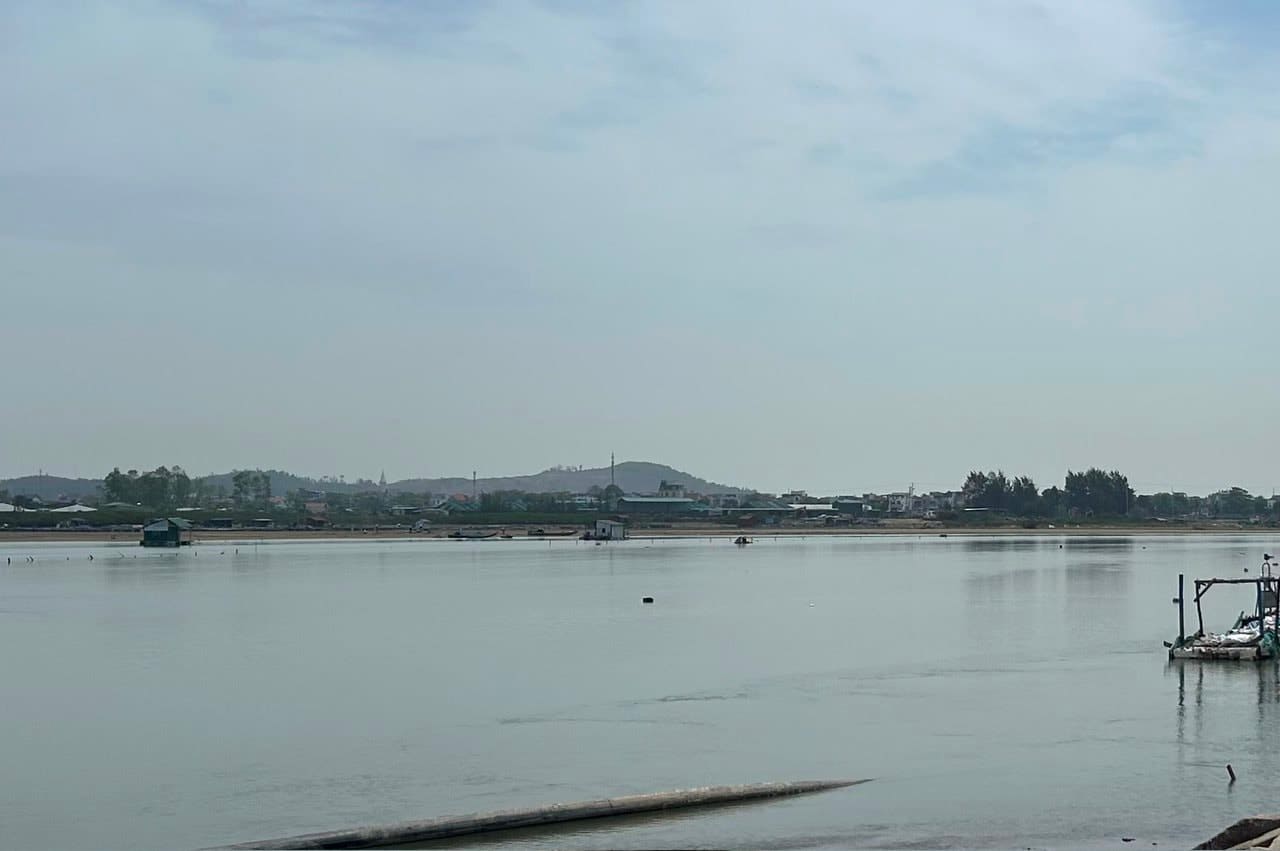
Moreover, farming without proper standards can lead to poor-quality products, damaging the commercial reputation of Vietnamese shrimp. It can also create unfair competition against lawful farmers, negatively impacting the local and national economy.
This activity often comes with other legal violations, potentially leading to conflicts among stakeholders. Unsustainable aquaculture can deplete natural aquatic resources, affecting the livelihoods of fishers and communities dependent on marine resources. Farming outside approved plans often lacks disease control measures, increasing the risk of disease outbreaks in shrimp and potential health risks to consumers.
Given the serious environmental, economic, and social consequences, proper management and control of shrimp farming activities is essential to ensure sustainable aquaculture development. Many households knowingly violate regulations due to a lack of livelihood options or after making large risky investments — mortgaging homes and assets — making it difficult for them to quit. When authorities intervene, enforcement is challenging for many reasons.
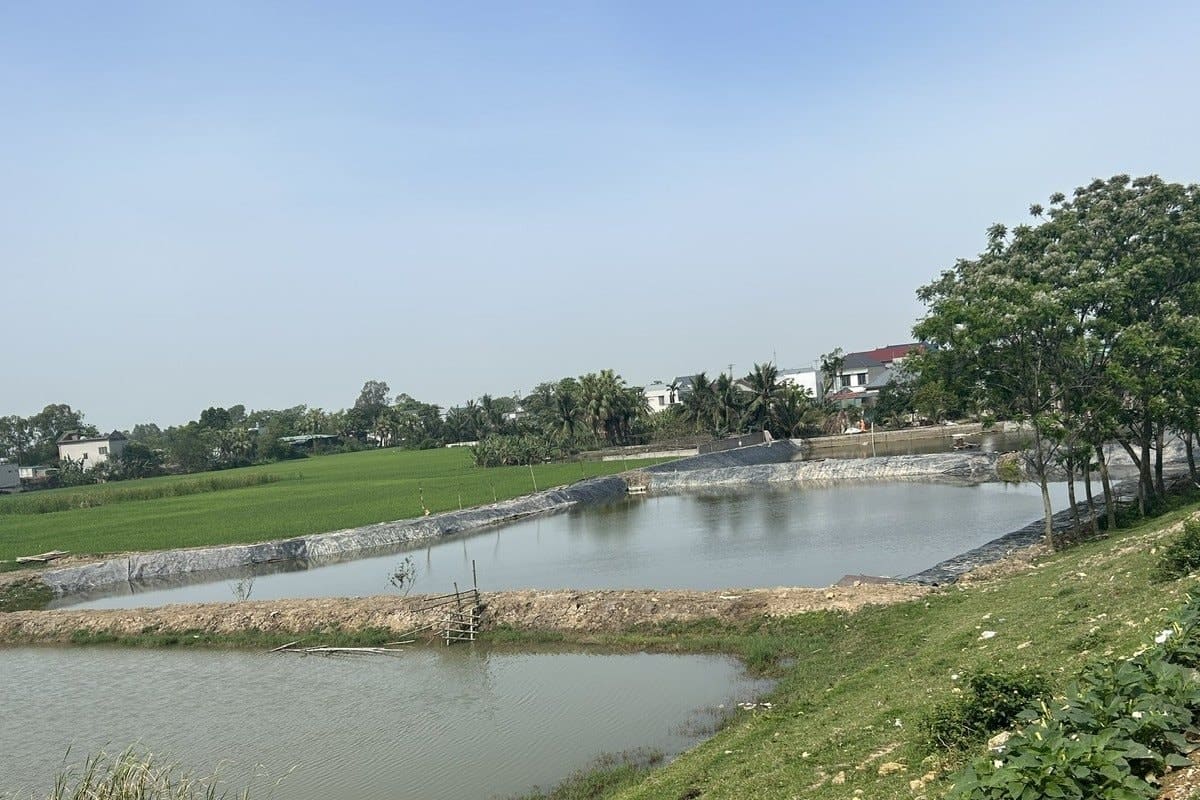
It is reported that once the two-level government structures in the related wards are stabilized, the relevant agencies will coordinate with local authorities to form task forces. These teams will conduct inspections, provide education, and encourage violators to dismantle illegal facilities and restore the land. For non-compliant households, the ward-level People's Committee will be advised to complete legal documents and proceed with enforcement measures according to regulations.
Source: congly
Aqua Mina's distributor in Japan: REX INDUSTRIES CO., LTD
- Address: 1-9-3 Hishiya-Higashi, Higashi-Osaka 578-0948 JAPAN
- Email: kimakubo@rexind.co.jp
- Phone: +81-(0)72-961-9893
- Website: http://www.rexind.co.jp/e/
WE WORK FOR YOUR SUCCESS!
Ngày đăng : 04/08/2025
1910 View


Other Articles
Ca Mau, Can Tho and An Giang Play a Leading Role in Vietnam’s Shrimp Industry
Protecting rice-shrimp yields against environmental fluctuations caused by prolonged rain
AQUA MINA Turbo Blower: Quiet, Energy-Efficient Air Supply for Aquaculture Ponds
AQUA MINA has accompanied the experimental tank system project at Can Tho University from its very early days
AQUA MINA AMONG 20 OUTSTANDING PRESENTATIONS AT THE WORKSHOP ON APPLYING SCIENCE AND TECHNOLOGY TO IMPROVE THE QUALITY OF VIETNAM’S AQUATIC PRODUCTS
Vietnam’s Shrimp Farming Industry Enters the High-Tech Race
The U.S. market relies heavily on imported shrimp to bridge its domestic supply gap
The 2028 supply crisis: The shrimp industry is projected to face a 400,000-ton material shortage
High profits from high-tech shrimp farming come with persistent risks
Intensifying El Niño Effect: Climate Change Risks Threaten the Global Shrimp Supply Chain
Evaluating Gaps in the Circular Economy Value Chain of the Shrimp Industry
A Comprehensive Overview of the Vietnamese Shrimp Industry


.jpg)