


How to Help Shrimp Molt Evenly
How Do Shrimp Molt?
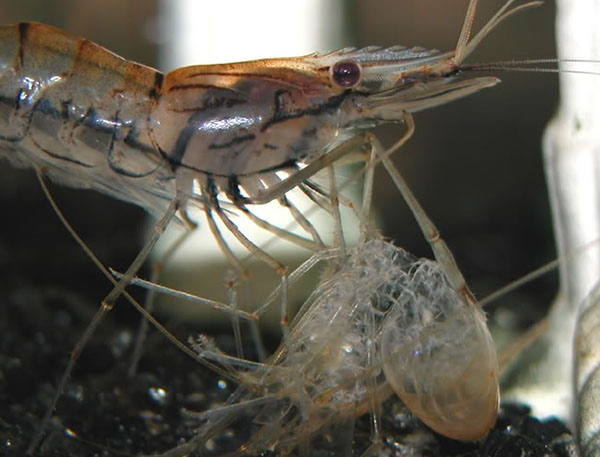
Molting process: The old shell cracks between the cephalothorax (head and chest) and the abdomen. Shrimp first withdraw the appendages of their cephalothorax, followed by their abdomen and posterior appendages, flexing their entire body to shed the old shell. Healthy shrimp molt quickly, taking only 5-7 minutes. The new shell hardens in 1-2 days for adult shrimp and 1-2 hours for juveniles.
Signs and Predictions
Shrimp usually don’t molt simultaneously. They tend to molt during high tides or full moons. After a molting day, if the pH is high (above 8.3), shrimp will wait until the pH drops to around 8.3 to begin molting, which often happens at night.
After shrimp molt, farmers may observe shed shells and long streaks of bubbles. The new shrimp shell appears clean, clear, and thin. However, due to the depletion of minerals in the water used by the shrimp for molting, algal die-off might occur 2-3 days after molting. It's crucial for farmers to predict when shrimp will molt and prepare accordingly.
On the predicted molting day, feed intake may decrease by 10-30%. Once anticipated, farmers should provide continuous aeration and prepare key minerals to meet shrimp's immediate needs during molting. If the pH is above 8.3, farmers should wait for it to drop before adding minerals. If the pond's pH is consistently low, minerals can be mixed in a nearby tank and gradually added through a pipe in front of the water aerator during the day. After each molt, alkalinity might decrease due to the ions used in forming the new shell. In such cases, alkalinity needs to be restored to the normal range of 100-120 ppm by adding sodium bicarbonate.
Solutions
Ensure the dissolved oxygen level in the pond remains around 4-6 mg/l throughout the farming process. Increase aeration when molting signs are detected.
Adjust and maintain pH within the optimal range of 7.5-8.5.
Intervene promptly when shrimp show signs of fungal infection or fouling to ensure successful molting recovery.
Use feed from reputable suppliers to provide adequate nutrition for the shrimp's molting process.
Salinity: Salinity is related to mineral content in the pond. Higher salinity provides more minerals, helping shrimp molt and harden their shells faster. Ponds lacking minerals will make it harder for shrimp to molt, leaving them with soft shells.
Regularly supplement the pond with probiotics, essential minerals, and vitamins to support shrimp growth and improve resistance.
Source: Thanh Hieu
Ngày đăng : 17/10/2024
2587 View


Other Articles
CA MAU ACCELERATES MARINE AQUACULTURE DEVELOPMENT FROM 2026 TO 2030, WITH A VISION TO 2045
VIETNAM’S SHRIMP INDUSTRY: FROM RECORD EXPORTS TO THE RACE FOR EFFICIENCY AND VALUE
Why Did a Customer Travel from Vinh Long to Ho Chi Minh City to Buy AQUA MINA PVC Knife Gate Valve
Green & Digital Transformation: A New Eco-Cycle for Shrimp-Rice Farming
High-Tech Shrimp Farming: A Double-Edged Sword
Why are PVC knife gate valves preferred for bottom drain pipes in shrimp and fish ponds?
EU’s New Packaging Life Cycle Regulations: What Should Seafood Businesses Prepare For?
Wild Shrimp Harvesting Faces Challenges in Supply and Sustainability
Minh Phú Invests in Production Expansion and Accelerates Automation in the Shrimp Industry
The U.S. Shrimp Market Recovers and Moves Toward Stability
What needs to be checked on a knife gate valve before it reaches the customer?
Mastering RAS technology: The answer to green aquaculture


.jpg)