

Cà Mau strengthens traceability to enhance the competitiveness of the shrimp industry.
In the context of deep integration into free trade agreements (FTAs), especially the EU–Vietnam Free Trade Agreement (EVFTA), compliance with regulations on traceability and certificates of origin (C/O) is becoming a key factor enabling the Cà Mau shrimp industry to enhance competitiveness, expand market share, and strengthen its brand position in the international market.
Seafood enterprises, particularly shrimp exporters, are currently complying quite seriously with the declaration and submission of documents required for C/O issuance.
According to the Cà Mau Department of Industry and Trade, after five years of EVFTA implementation, the province’s seafood exports to the EU have shown positive signals, with shrimp continuing to be the flagship product. In 2024, seafood export turnover to the EU reached nearly USD 130 million. In the first nine months of 2025, exports reached USD 125 million, representing an increase of over 40% year-on-year, indicating significant growth potential in this market.
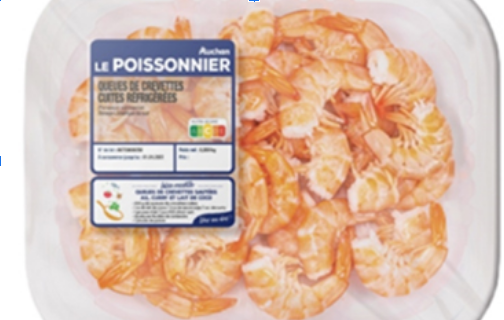
Along with advantages gained from FTAs, the Cà Mau shrimp industry is gradually meeting increasingly stringent requirements for traceability and origin certification. According to the Cà Mau Department of Agriculture and Environment, total farmed shrimp output in 2025 is estimated at over 566,000 tons, accounting for a large proportion of the province’s total seafood production of more than 908,000 tons. Notably, shrimp farming areas certified under international standards such as Naturland, EU Organic, ASC, Selva Shrimp, among others, have exceeded 37,800 hectares, contributing to enhancing the global reputation of the “Cà Mau Shrimp” brand.
Mr. Nguyễn Chí Thiện, Director of the Cà Mau Department of Industry and Trade, stated that seafood enterprises, especially shrimp exporters, are fairly strict in declaring and submitting documentation for C/O applications. This not only enables businesses to benefit from tariff preferences under EVFTA and CPTPP, but also increases credibility and transparency throughout the supply chain.
Currently, the Cà Mau Department of Industry and Trade is implementing electronic C/O issuance, with a processing time of no more than six working hours, helping to simplify procedures, reduce costs, and better suit the characteristics of frequent, large-volume shrimp exports.
According to the Department, in the coming period, the province will continue to support shrimp enterprises in improving traceability data systems and promoting digital transformation in origin management. This is considered a crucial competitive lever, helping Cà Mau shrimp achieve sustainable export growth and penetrate high-end markets such as the EU.

¡TRABAJAMOS PARA SU ÉXITO!


Ca Mau, Can Tho and An Giang Play a Leading Role in Vietnam’s Shrimp Industry
Protecting rice-shrimp yields against environmental fluctuations caused by prolonged rain
AQUA MINA Turbo Blower: Quiet, Energy-Efficient Air Supply for Aquaculture Ponds
AQUA MINA has accompanied the experimental tank system project at Can Tho University from its very early days
AQUA MINA AMONG 20 OUTSTANDING PRESENTATIONS AT THE WORKSHOP ON APPLYING SCIENCE AND TECHNOLOGY TO IMPROVE THE QUALITY OF VIETNAM’S AQUATIC PRODUCTS
Vietnam’s Shrimp Farming Industry Enters the High-Tech Race
The U.S. market relies heavily on imported shrimp to bridge its domestic supply gap
The 2028 supply crisis: The shrimp industry is projected to face a 400,000-ton material shortage
High profits from high-tech shrimp farming come with persistent risks
Intensifying El Niño Effect: Climate Change Risks Threaten the Global Shrimp Supply Chain
Evaluating Gaps in the Circular Economy Value Chain of the Shrimp Industry
A Comprehensive Overview of the Vietnamese Shrimp Industry


.jpg)