


Brazilian Black Tiger Shrimp: A New Hope for Sustainable Aquaculture Hỏi ChatGPT
The study was conducted through a collaboration between the State University of Maranhão (Brazil) and the Commonwealth Scientific and Industrial Research Organisation (CSIRO, Australia).
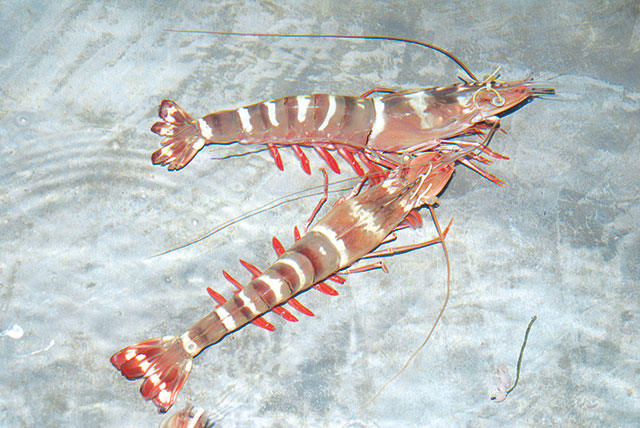
A black tiger shrimp population (Penaeus monodon) domesticated over 10 generations in Ceará, Brazil, was found to be free of significant pathogens and showed high genetic diversity—key factors for establishing a sustainable and Specific Pathogen-Free (SPF) breeding program.
Strong Genetics, Pathogen-Free, and Low Inbreeding: Three Pillars of Sustainability
Genetic analysis using SNP (Single Nucleotide Polymorphism) markers showed an inbreeding coefficient of just 0.03, comparable to breeding populations in Vietnam and Australia.
Meanwhile, molecular diagnostics and histopathological examinations of 96 individuals revealed no major pathogens, reinforcing the potential of this population to be classified as SPF.
“Breeding stocks with high genetic diversity and no detectable pathogens are fundamental to a sustainable aquaculture industry. This research lays the foundation not only for a local breeding program in Brazil but also for reducing reliance on imported stocks—minimizing the risk of spreading diseases globally,” said Dr. Melony Sellars, CEO of Genics, a biotechnology company specializing in shrimp diagnostics and selective breeding.
Backed by Genetic Traceability Technology
To realize this potential, Genics is applying its ShrimpID P. monodon technology, a high-density SNP genotyping service that enables accurate assessment of genetic diversity, lineage traceability, and performance monitoring.
“With genetic data, shrimp farmers can optimize broodstock performance, proactively manage health, and plan breeding strategies more scientifically,” a Genics representative stated.
Could It Replace Whiteleg Shrimp in the Near Future?
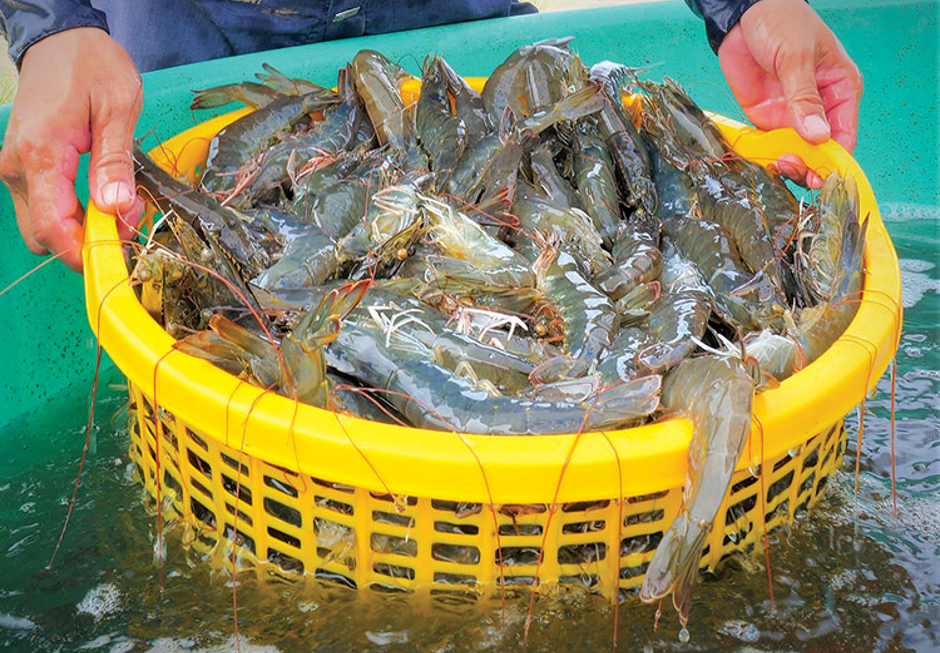
Pacific whiteleg shrimp is currently the most commonly farmed species in industrial aquaculture, but it has shown increasing weaknesses—such as declining disease resistance, heavy reliance on antibiotics, and vulnerability to large-scale outbreaks.
As the market shifts its focus toward safe, eco-friendly, and traceable seafood products, investing in native shrimp strains with superior genetic potential, such as Brazilian black tiger shrimp, may become a strategic choice—not only for hatchery operators but also for the entire seafood value chain seeking sustainable alternatives.
Source: nguoinuoitom.vn
Aqua Mina's distributor in Japan: REX INDUSTRIES CO., LTD
- Address: 1-9-3 Hishiya-Higashi, Higashi-Osaka 578-0948 JAPAN
- Email: kimakubo@rexind.co.jp
- Phone: +81-(0)72-961-9893
- Website: http://www.rexind.co.jp/e/
WE WORK FOR YOUR SUCCESS!
Ngày đăng : 06/08/2025
1948 View


Other Articles
Ca Mau, Can Tho and An Giang Play a Leading Role in Vietnam’s Shrimp Industry
Protecting rice-shrimp yields against environmental fluctuations caused by prolonged rain
AQUA MINA Turbo Blower: Quiet, Energy-Efficient Air Supply for Aquaculture Ponds
AQUA MINA has accompanied the experimental tank system project at Can Tho University from its very early days
AQUA MINA AMONG 20 OUTSTANDING PRESENTATIONS AT THE WORKSHOP ON APPLYING SCIENCE AND TECHNOLOGY TO IMPROVE THE QUALITY OF VIETNAM’S AQUATIC PRODUCTS
Vietnam’s Shrimp Farming Industry Enters the High-Tech Race
The U.S. market relies heavily on imported shrimp to bridge its domestic supply gap
The 2028 supply crisis: The shrimp industry is projected to face a 400,000-ton material shortage
High profits from high-tech shrimp farming come with persistent risks
Intensifying El Niño Effect: Climate Change Risks Threaten the Global Shrimp Supply Chain
Evaluating Gaps in the Circular Economy Value Chain of the Shrimp Industry
A Comprehensive Overview of the Vietnamese Shrimp Industry






.jpg)