


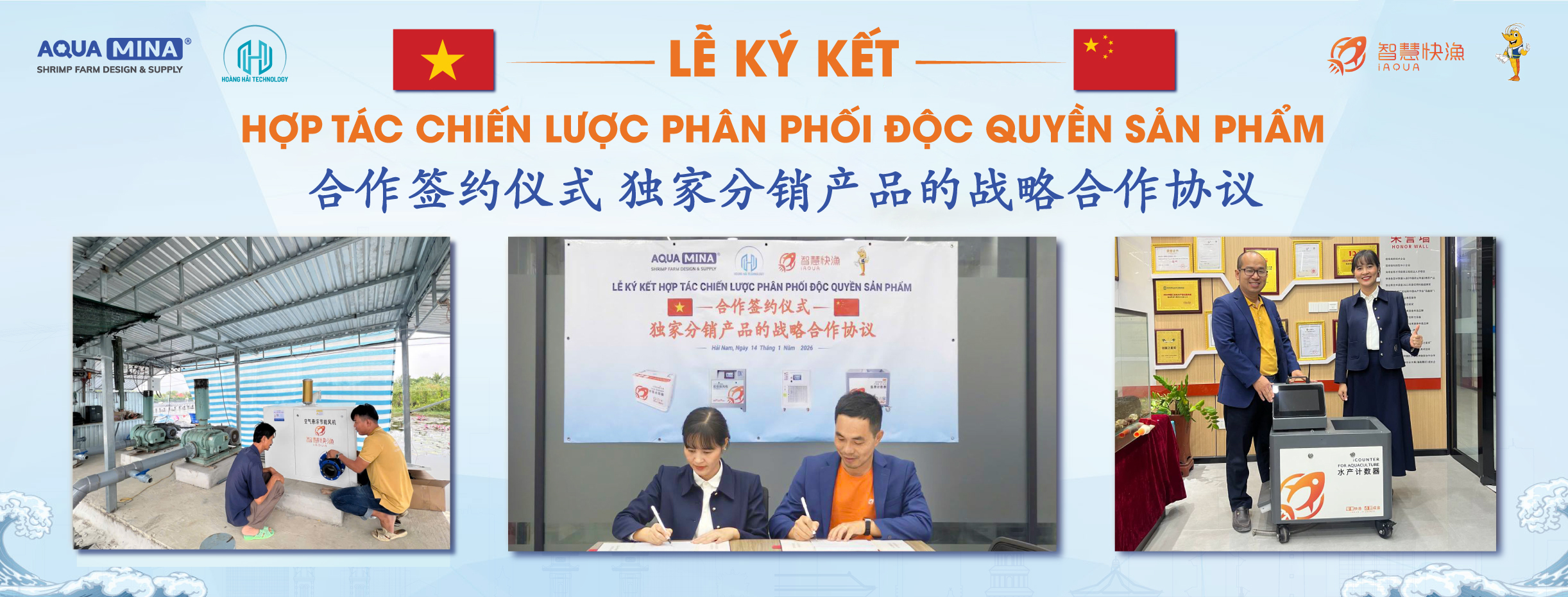
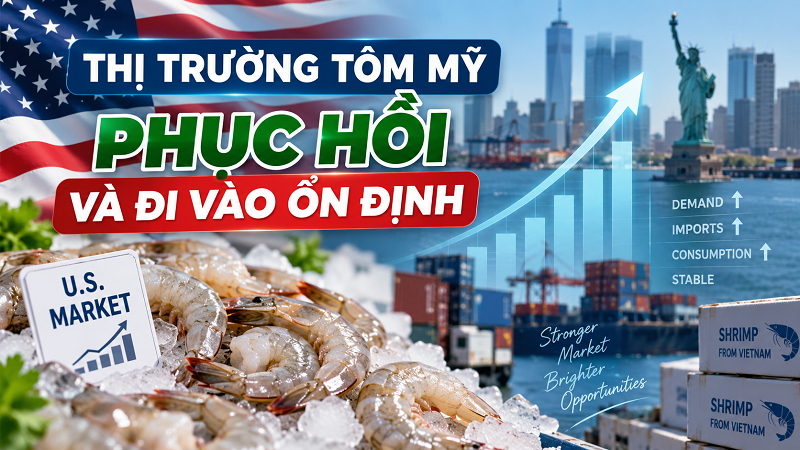
The U.S. Shrimp Market Recovers and Moves Toward Stability
According to Expana, an increase in shrimp consumption does not necessarily mean that underlying market demand is experiencing genuine growth. When wholesale prices decline, the volume of shrimp entering the market may increase, pushing the demand index higher. By contrast, a clear recovery in demand would typically require higher consumption alongside stable or rising prices. Recent developments in the U.S. appear to have been significantly influenced by price factors and the release of inventory into the market following a period of lower imports earlier in the year.
Import data also points to a similar trend. In June 2026, the U.S. imported 75,397 metric tons of shrimp, up 4% year over year and the highest monthly volume recorded since the beginning of the year. However, import value increased by only 1% to $641 million. As a result, the average import price fell by approximately 3% to $8.50 per kilogram. For the first six months of 2026, total U.S. shrimp imports reached 385,037 metric tons, down 6% in volume and 5% in value compared with the same period in 2025.
At the retail level, indicators remain more cautious. According to Circana data analyzed by 210 Analytics, U.S. frozen shrimp sales increased 4.5% in value in July but declined 8% in volume, while selling prices rose by as much as 16.5%. Fresh shrimp sales volume also fell by 8%.
Expana estimates that per-capita shrimp consumption in the U.S. reached approximately 5.07 pounds per person in 2025. This represented a modest increase from 4.91 pounds in 2024, but remained significantly below the peak of 5.81 pounds per person recorded in 2021.
Overall, the return of the shrimp demand index to the “Steady” range indicates that the market is showing signs of greater balance. However, this alone is not sufficient to confirm the beginning of a new demand growth cycle. Going forward, retail price movements, actual consumption volumes, and the pace of inventory reduction will be important indicators for assessing the underlying health of the U.S. shrimp market.
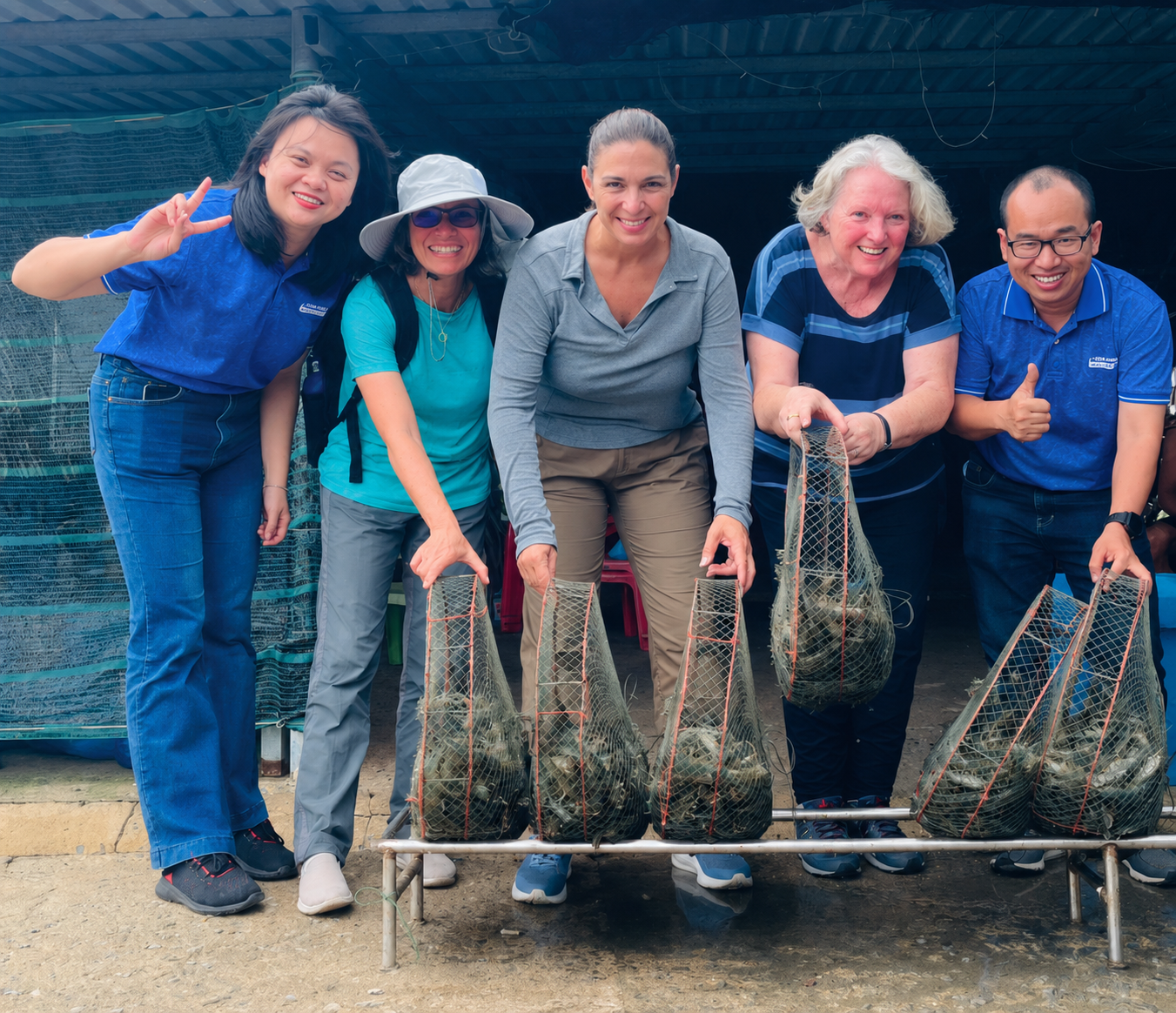
WE WORK FOR THE SUCCESS


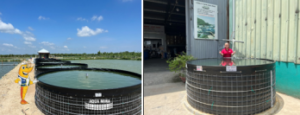
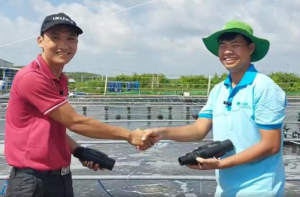
AQUA MINA has accompanied the experimental tank system project at Can Tho University from its very early days
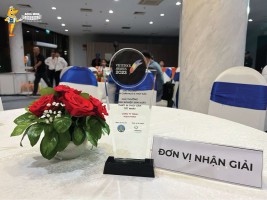
AQUA MINA AMONG 20 OUTSTANDING PRESENTATIONS AT THE WORKSHOP ON APPLYING SCIENCE AND TECHNOLOGY TO IMPROVE THE QUALITY OF VIETNAM’S AQUATIC PRODUCTS
Vietnam’s Shrimp Farming Industry Enters the High-Tech Race
The U.S. market relies heavily on imported shrimp to bridge its domestic supply gap
The 2028 supply crisis: The shrimp industry is projected to face a 400,000-ton material shortage
High profits from high-tech shrimp farming come with persistent risks
Intensifying El Niño Effect: Climate Change Risks Threaten the Global Shrimp Supply Chain
Evaluating Gaps in the Circular Economy Value Chain of the Shrimp Industry
A Comprehensive Overview of the Vietnamese Shrimp Industry
CA MAU ACCELERATES MARINE AQUACULTURE DEVELOPMENT FROM 2026 TO 2030, WITH A VISION TO 2045
VIETNAM’S SHRIMP INDUSTRY: FROM RECORD EXPORTS TO THE RACE FOR EFFICIENCY AND VALUE
Why Did a Customer Travel from Vinh Long to Ho Chi Minh City to Buy AQUA MINA PVC Knife Gate Valve





.jpg)