

Share 2023: Pathways In Shrimp Farm
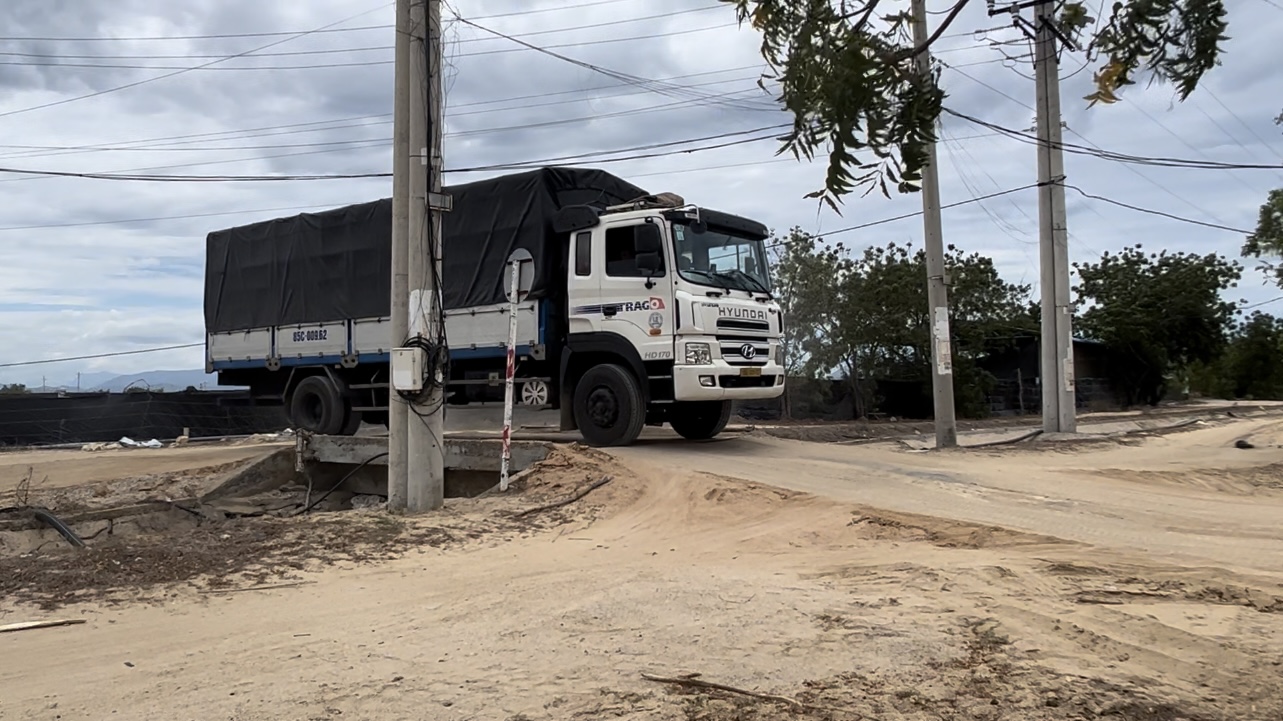
1. Motor vehicle routes: used for trucks carrying equipment and machinery, harvest collection vehicles, and maintenance vehicles for the ponds after the cultivation period. These routes typically encircle the farming area, functioning as a biological protection corridor and anti-theft barrier. Ideally, they should be around 3 to 4 meters wide, paved with green stones or concrete. Avoid laying pipes across this route to prevent hindrance to vehicle movement. If necessary, install rigid pipes at least 1 meter deep or concrete culverts. Electrical lines and poles should be placed on the pond side, not too close to the fence, to prevent obstructing vehicle passage.
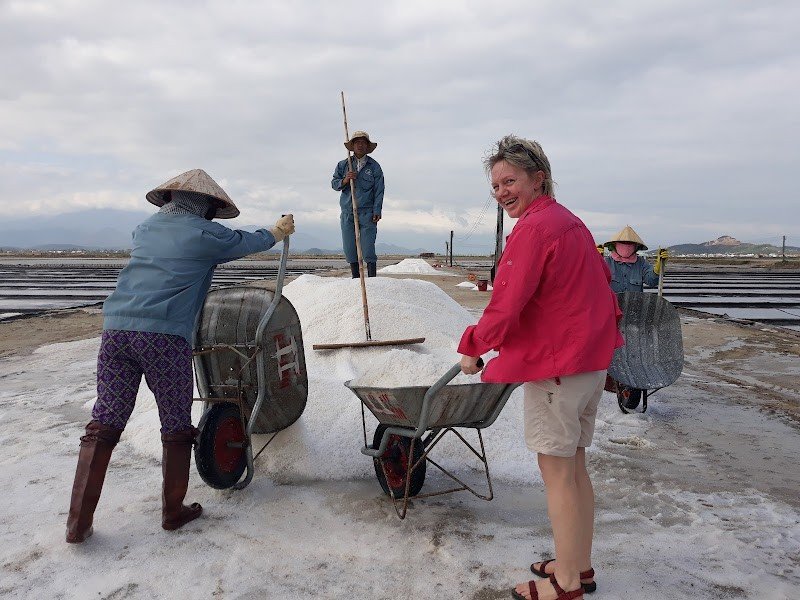
2. Wheelbarrow routes, tractor paths, or electric cart lanes: facilitate transporting tools for repairs, conveying probiotics and minerals to the bridgeheads, and removing solid waste. These routes are generally 1.5 to 2 meters wide, with a 10cm thick concrete surface. When laying water pipes, they should be situated beneath this route to facilitate cart movement.
This type of pathway is widespread and essential in a farm to enhance work efficiency and requires significant investment.
3. Pedestrian walkways: typically designed 60cm to 1m wide around the ponds. These paths need not be overly wide or robust but should be unobstructed, allowing workers to circulate the ponds for inspections or minimizing the need for repeated back-and-forth trips. For small farms without the means to lay concrete, green stones can be used, covered with tarp and woven mats to ensure cleanliness and convenience for workers.
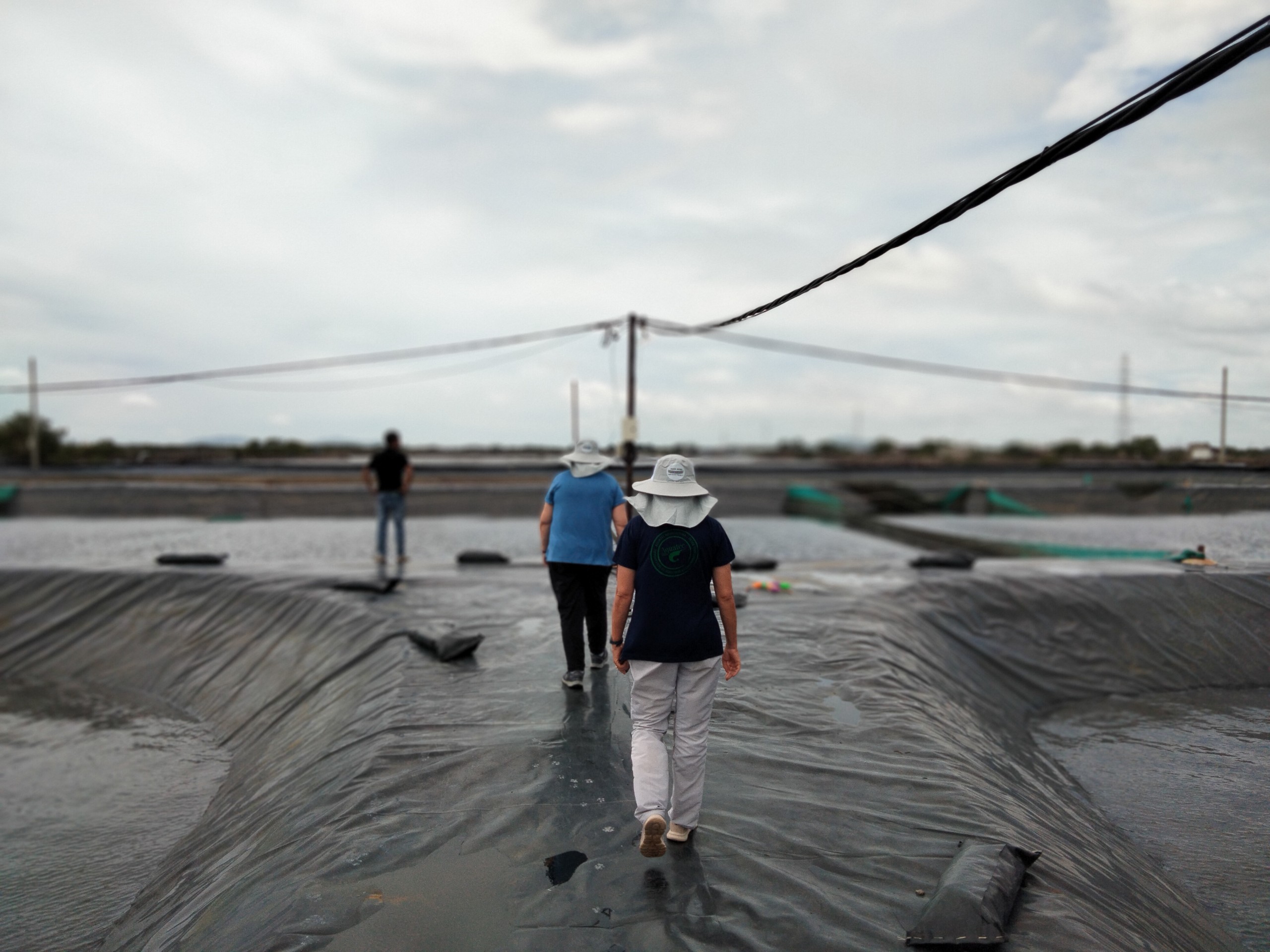
- The main entrance of the shrimp farm: should also be widened. If a bridge is necessary, it must be constructed to bear the load of motor vehicles.
- There should be only one main entrance and exit; having multiple entrances complicates management.
- Boat dock: it is as important as the main road, serving as a frequent goods transport point. Consult the local water level variations to ensure its suitability.
- When designing internal traffic flow within the farm, it's crucial to consider the routes for each labor component: where the farm workers, security personnel, managers, caretakers go, etc. This way, the functions and responsibilities of each type of route within the farm will be clear.
For better assistance, please fill in the information on the following form:Via WhatsApp/Zalo/Viber/Line: Ms. Thư/Ms. Clara: (+84) 373 99 88 29
CONTACT INFORMATION:
AQUA MINA CO. LTD
- Address: 685 Highway 1A, Quarter 4, Binh Hung Hoa Ward, Binh Tan District, Ho Chi Minh City.
- Website: aquamina.com.vn
- Hotline for support: Ms. Thư/Ms. Clara: (+84) 373 99 88 29 (Zalo/WhatsApp)
- Email: oversea@aquamina.com.vn
WE WORK FOR YOUR SUCCESS!!!
Ngày đăng : 25/08/2023
2198 View


Other Articles
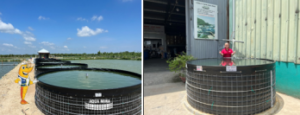
AQUA MINA has accompanied the experimental tank system project at Can Tho University from its very early days
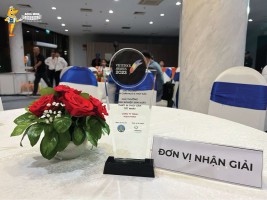
AQUA MINA AMONG 20 OUTSTANDING PRESENTATIONS AT THE WORKSHOP ON APPLYING SCIENCE AND TECHNOLOGY TO IMPROVE THE QUALITY OF VIETNAM’S AQUATIC PRODUCTS
Vietnam’s Shrimp Farming Industry Enters the High-Tech Race
The U.S. market relies heavily on imported shrimp to bridge its domestic supply gap
The 2028 supply crisis: The shrimp industry is projected to face a 400,000-ton material shortage
High profits from high-tech shrimp farming come with persistent risks
Intensifying El Niño Effect: Climate Change Risks Threaten the Global Shrimp Supply Chain
Evaluating Gaps in the Circular Economy Value Chain of the Shrimp Industry
A Comprehensive Overview of the Vietnamese Shrimp Industry
CA MAU ACCELERATES MARINE AQUACULTURE DEVELOPMENT FROM 2026 TO 2030, WITH A VISION TO 2045
VIETNAM’S SHRIMP INDUSTRY: FROM RECORD EXPORTS TO THE RACE FOR EFFICIENCY AND VALUE
Why Did a Customer Travel from Vinh Long to Ho Chi Minh City to Buy AQUA MINA PVC Knife Gate Valve


.jpg)