

Nutritional approaches to improve shrimp larval quality and performance
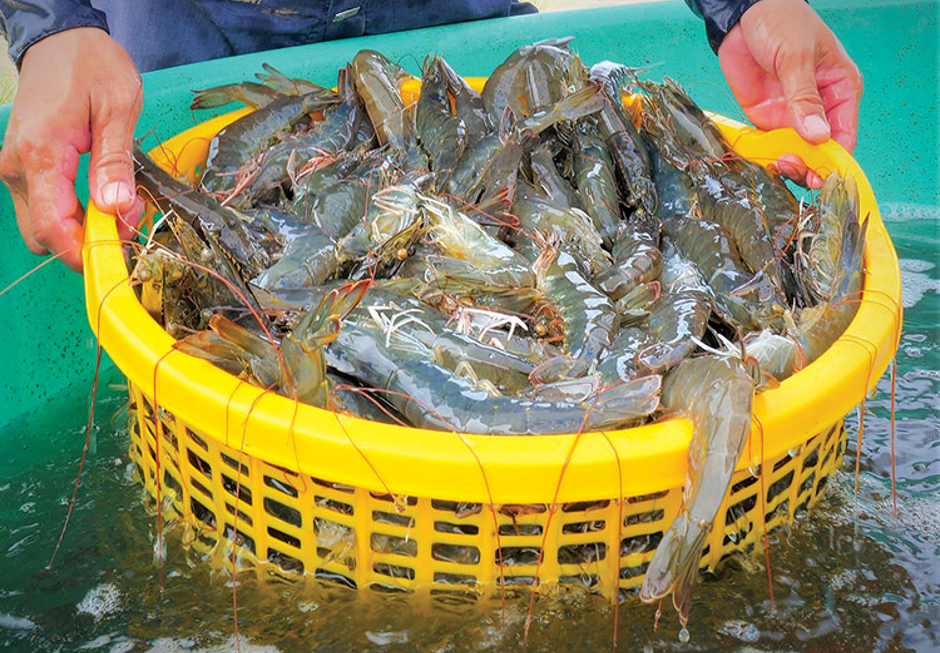
Currently, most marine shrimp hatcheries still use live organisms such as algae, Artemia, and liquid/dry feeds for larvae; while broodstock are fed with polychaete worms, squid, oysters, clams, Artemia biomass, and formulated diets. Farming systems are mainly traditional aerated tanks, with limited wastewater treatment and biosecurity measures. Feeding decisions are often made by farm staff, with little involvement from nutrition experts.
From a nutritional perspective, shrimp larval quality depends on two main factors: (i) shrimp genetics and breeding (selection criteria, disease resistance, heat tolerance, etc.) and (ii) nutrition and feeding management (nutrient sources, feed formulation, feed production, feed management). Therefore, high-quality larvae can only be produced through the use of high-quality diets.
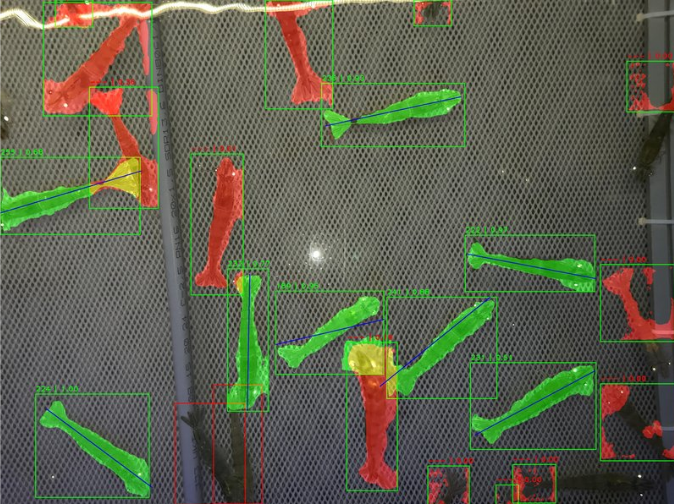
Developing feed formulations for shrimp requires a clear understanding of nutritional requirements and the selection of suitable raw materials. Although whiteleg shrimp (Litopenaeus vannamei) is the most widely farmed aquaculture species in the world in terms of production and value (FAO, 2025), there is still a lack of published data on the nutritional requirements of broodstock and larvae under practical farming conditions. Most existing research focuses on juvenile or grow-out shrimp.
Due to the lack of practical data on larval and broodstock nutritional needs, recommendations for replacing live feed have been based on earlier experience in the Philippines with black tiger shrimp (Penaeus monodon) (Tacon, 1986). Specifically:
-
Farming systems and water quality: Tanks and aeration systems originally designed for live feed must be adapted for processed diets.
-
Feed selection and nutrient composition: The nutritional quality of live feeds depends on prior rearing conditions, so properly formulated diets are needed to ensure optimal shrimp health and growth.
-
Physical properties of feed: Feeds should have high water stability and minimize nutrient leaching to maintain water quality.
-
Storage and transport: Preservation and transport processes must be optimized to maintain feed quality.
-
Feeding management: Feeding should be adjusted to shrimp’s actual needs rather than relying entirely on technician habits.
From a nutritional perspective, there are no nutrients or factors in live or fresh feed that cannot be incorporated into a fully formulated diet with equivalent performance. However, larval rearing systems need to be redesigned for the use of artificial feeds (instead of live feed), and broodstock must be provided with nutritionally complete diets throughout the reproductive cycle.
Source: nguoinuoitom


Ca Mau, Can Tho and An Giang Play a Leading Role in Vietnam’s Shrimp Industry
Protecting rice-shrimp yields against environmental fluctuations caused by prolonged rain
AQUA MINA Turbo Blower: Quiet, Energy-Efficient Air Supply for Aquaculture Ponds
AQUA MINA has accompanied the experimental tank system project at Can Tho University from its very early days
AQUA MINA AMONG 20 OUTSTANDING PRESENTATIONS AT THE WORKSHOP ON APPLYING SCIENCE AND TECHNOLOGY TO IMPROVE THE QUALITY OF VIETNAM’S AQUATIC PRODUCTS
Vietnam’s Shrimp Farming Industry Enters the High-Tech Race
The U.S. market relies heavily on imported shrimp to bridge its domestic supply gap
The 2028 supply crisis: The shrimp industry is projected to face a 400,000-ton material shortage
High profits from high-tech shrimp farming come with persistent risks
Intensifying El Niño Effect: Climate Change Risks Threaten the Global Shrimp Supply Chain
Evaluating Gaps in the Circular Economy Value Chain of the Shrimp Industry
A Comprehensive Overview of the Vietnamese Shrimp Industry


.jpg)