


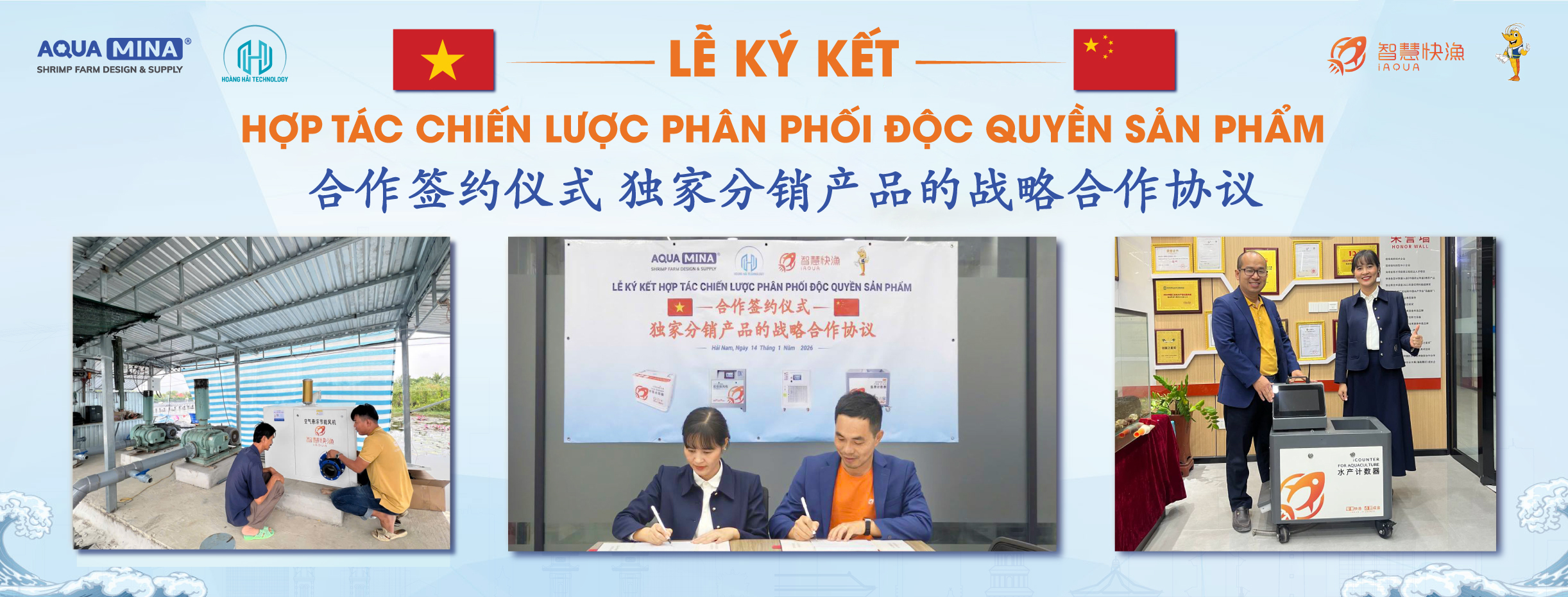
The shrimp industry amidst a wave of multi-pathogen diseases
The Brackish Water Shrimp Industry Facing a Multi-Pathogen Crisis and the Quest for Survival
Context and Core Challenges Brackish water shrimp remains a pillar of Vietnam's marine economy, maintaining a farming area of 740,000 hectares, yielding over 1.2 million tons, and generating an annual export value of 3.5 to 4 billion USD. It sustains millions of coastal livelihoods. However, the competitiveness of Vietnamese shrimp is being severely undermined by complex multi-pathogen outbreaks, which increase mortality rates and production costs. Climate change and fluctuating water conditions create ideal environments for pathogens. Most concerning is the rising trend of co-infections, rendering traditional treatment methods ineffective.
Four Major Pathogenic Threats Field surveillance has identified four critical pathogens severely impacting the industry:
-
Enterocytozoon hepatopenaei (EHP): Known as a silent destroyer, EHP parasitizes the hepatopancreas, stunting growth and suppressing immunity. In 2024-2025, EHP prevalence reached an alarming 25-34.4% in the Mekong Delta and 11-27% in the North. Co-infection with opportunistic Vibrio bacteria can trigger devastating white feces syndrome.
-
White Spot Syndrome Virus (WSSV): Highly contagious with massive mortality rates. Data from 2025-2026 indicates severe outbreaks during seasonal transitions (February to May) in northern provinces.
-
Acute Hepatopancreatic Necrosis Disease (AHPND): Caused by Vibrio strains carrying PirA/PirB toxins, it strikes post-larvae between 10-45 days. Infection rates in Ca Mau range from 3.1-5.2%. The abuse of antibiotics to combat this disease has led to antimicrobial resistance and severe gut dysbiosis in shrimp.
-
Translucent Post-Larvae Disease (TPD): An emerging threat to hatcheries, affecting the PL4-PL7 stages. Caused by virulent Vibrio strains carrying vhvp1, vhvp2, and vhvp3 genes, it causes abnormal transparency and mass mortality. TPD thrives in salinities of 10-35‰ and has spread nationwide.
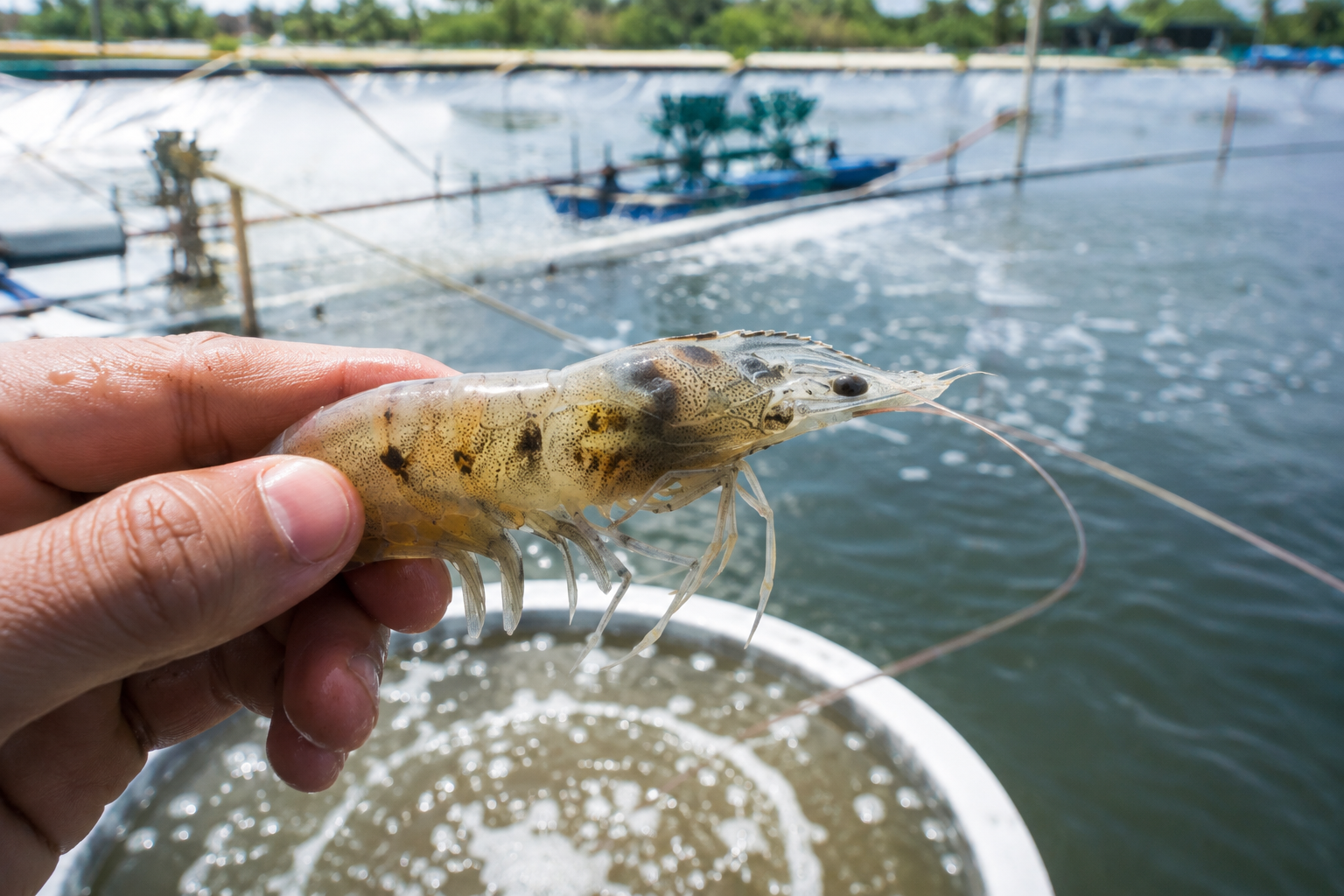
Proactive Solutions for Sustainable Growth Assoc. Prof. Dr. Vo Van Nha asserts that shifting from disease treatment to proactive prevention is crucial. Key solutions include:
-
Seed Quality Control: Mandatory PCR screening for WSSV, AHPND, EHP, and TPD. Farmers must strictly use Specific Pathogen Free (SPF) seeds at appropriate stocking densities.
-
Enhanced Biosecurity: Promoting membrane-lined ponds for optimal waste removal, utilizing scientifically designed settling ponds, and installing exclusion nets to block wild crustaceans carrying pathogens.
-
Biotechnology Integration: Replacing antibiotics with probiotics to outcompete harmful Vibrio. Supplementing diets with Vitamin C and Beta-glucan to boost natural immunity.
-
Digital Transformation and Long-term Vision: Investing in breeding disease-resistant lines and deploying IoT, AI, and Big Data for automated water monitoring and early disease outbreak forecasting.
AQUA MINA CO., LTD
WE WORK FOR THE SUCCESS


Ca Mau, Can Tho and An Giang Play a Leading Role in Vietnam’s Shrimp Industry
Protecting rice-shrimp yields against environmental fluctuations caused by prolonged rain
AQUA MINA Turbo Blower: Quiet, Energy-Efficient Air Supply for Aquaculture Ponds
AQUA MINA has accompanied the experimental tank system project at Can Tho University from its very early days
AQUA MINA AMONG 20 OUTSTANDING PRESENTATIONS AT THE WORKSHOP ON APPLYING SCIENCE AND TECHNOLOGY TO IMPROVE THE QUALITY OF VIETNAM’S AQUATIC PRODUCTS
Vietnam’s Shrimp Farming Industry Enters the High-Tech Race
The U.S. market relies heavily on imported shrimp to bridge its domestic supply gap
The 2028 supply crisis: The shrimp industry is projected to face a 400,000-ton material shortage
High profits from high-tech shrimp farming come with persistent risks
Intensifying El Niño Effect: Climate Change Risks Threaten the Global Shrimp Supply Chain
Evaluating Gaps in the Circular Economy Value Chain of the Shrimp Industry
A Comprehensive Overview of the Vietnamese Shrimp Industry





.jpg)