


Vietnam’s shrimp exports to Japan: Maintaining an edge in processed products, seizing opportunities from new consumption trends
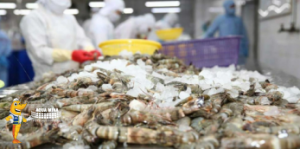
Japan continues to be one of Vietnam’s most important and stable shrimp markets. Over the years, Vietnam’s shrimp exports to this market have fluctuated in line with broader economic and consumer cycles in Japan, yet it has consistently remained a major, high-value destination with stringent standards. According to data from Vietnam Customs, as of March 15, 2026, Vietnam’s shrimp exports to Japan reached USD 89 million, up 2% year-on-year, accounting for 10.4% of Vietnam’s total shrimp exports to global markets. Japan is currently Vietnam’s third-largest shrimp import market, after China and the EU.
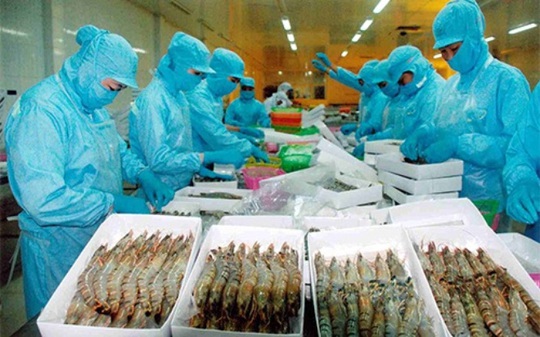
The export structure of Vietnam’s shrimp to Japan remains relatively stable. Whiteleg shrimp continues to be the main product. In 2025, exports of whiteleg shrimp to Japan reached USD 386.7 million, accounting for approximately 65–70% of total export value. Black tiger shrimp ranked second with USD 93.2 million and continues to play an important role in the high-value segment. In addition, there are other shrimp categories such as red shrimp, tiny shrimp (ruốc), iron shrimp, brown shrimp, shrimp paste, mantis shrimp, striped shrimp, and several other niche varieties, though their shares are relatively small. A noteworthy point is that in the Japanese market, product segmentation by species is closely aligned with consumption segments. Whiteleg shrimp is suitable for mainstream, stable products serving both retail and food service sectors. Meanwhile, black tiger shrimp maintains its own position in the premium segment, although its scale has declined compared to 4–5 years ago due to weakened consumer purchasing power in Japan under rising living costs. The full article is published in the VASEP Seafood Trade Bulletin, Issue No. 12/2026, released on April 3, 2026. For more information, including export data to Japan, consumption trends in Japan, and export strategies for this market, please refer to the full publication.
Source: vasep

WE WORK FOR THE SUCCESS


Ca Mau, Can Tho and An Giang Play a Leading Role in Vietnam’s Shrimp Industry
Protecting rice-shrimp yields against environmental fluctuations caused by prolonged rain
AQUA MINA Turbo Blower: Quiet, Energy-Efficient Air Supply for Aquaculture Ponds
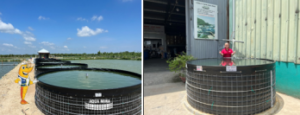
AQUA MINA has accompanied the experimental tank system project at Can Tho University from its very early days
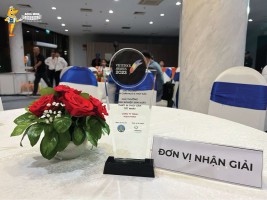
AQUA MINA AMONG 20 OUTSTANDING PRESENTATIONS AT THE WORKSHOP ON APPLYING SCIENCE AND TECHNOLOGY TO IMPROVE THE QUALITY OF VIETNAM’S AQUATIC PRODUCTS
Vietnam’s Shrimp Farming Industry Enters the High-Tech Race
The U.S. market relies heavily on imported shrimp to bridge its domestic supply gap
The 2028 supply crisis: The shrimp industry is projected to face a 400,000-ton material shortage
High profits from high-tech shrimp farming come with persistent risks
Intensifying El Niño Effect: Climate Change Risks Threaten the Global Shrimp Supply Chain
Evaluating Gaps in the Circular Economy Value Chain of the Shrimp Industry
A Comprehensive Overview of the Vietnamese Shrimp Industry


.jpg)