


China’s Import Value Up 10%, Vietnamese Shrimp Remains Among Leading Suppliers
During the first ten months of this year, Ecuador—the largest supplier—recorded a slight 1% decline in shrimp export volume to China, while export value still increased by 9%. This indicates that Ecuador is prioritizing higher-value product lines, larger-sized shrimp, or maintaining better pricing despite stagnant volumes.
In addition to Ecuador, other major competitors such as India and Thailand also recorded strong growth in the value of shrimp exports to China, increasing by 16% and 14% respectively. Notably, the growth was mainly concentrated in the later months (September and October), when Chinese importers stepped up purchasing to serve year-end festivals and the Lunar New Year.
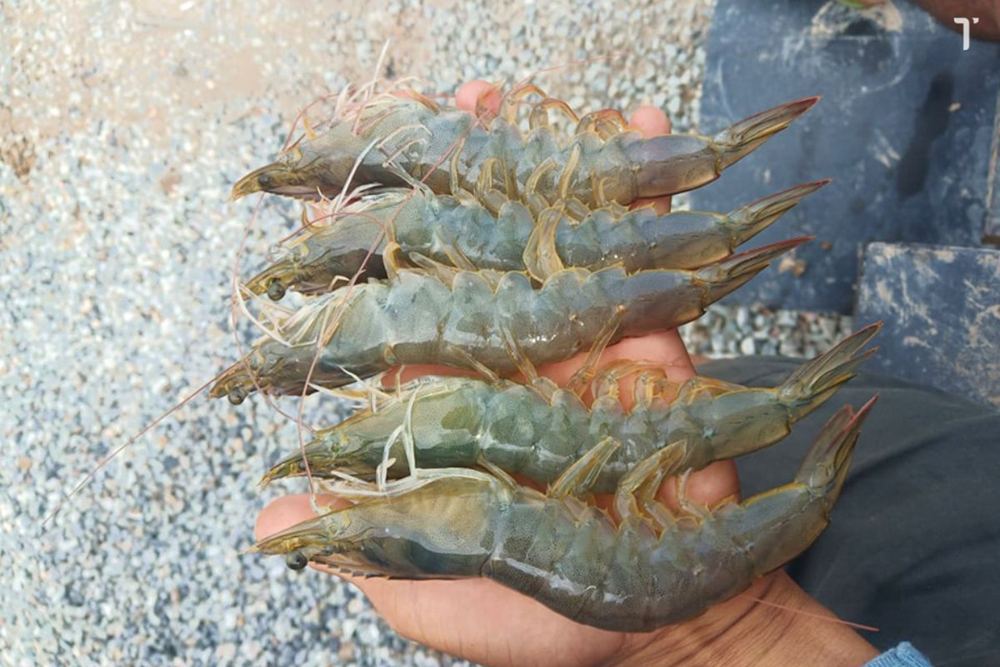
These developments highlight increasingly intense competition in supplying shrimp to the Chinese market—not only in terms of price, but also in the ability to respond promptly to peak demand periods.
Black tiger shrimp – Vietnam’s “plus point” in the Chinese market
According to data from Vietnam Customs, Vietnam’s shrimp exports to China and Hong Kong (CN & HK) continued to surge. As of November 15, 2025, export turnover reached approximately USD 1.2 billion, up 60% year-on-year compared to 2024; exports to mainland China alone rose by 66%. This growth has helped Vietnam strengthen its position among the key shrimp suppliers to this market.
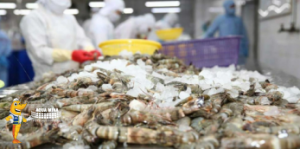
Besides lobster—the product accounting for the largest share in Vietnam’s shrimp export structure to China—Vietnamese black tiger shrimp continues to maintain a clear advantage in CN & HK, which is the number one market for Vietnam’s black tiger shrimp. This isa premium shrimp segment, mainly serving the restaurant, hotel, and food service channels, as well as consumer segments that demand high quality and uniform size.
The trend of rising import value while volumes increase only marginally indicates that Chinese consumers are increasingly willing to pay for more premium and more conveniently processed products. This opens up opportunities for high-quality black tiger shrimp, value-added processed shrimp, and branded shrimp products from Vietnam.
To effectively seize opportunities in the Chinese market amid intensifying competition, enterprises should prioritize expanding high-quality frozen black tiger shrimp products, proactively plan production, procurement, and inventory to ensure a stable supply of whiteleg shrimp for this market. At the same time, companies need to regularly update new regulations and standards, and build comprehensive quality management systems, farming area documentation, and processing plant records to ensure smooth customs clearance, minimize risks of additional costs, and avoid shipment delays.


Nguồn: vasep
AQUA MINA CO., LTD
– Address: 685 Le Duc Anh Street, Quarter 39, Binh Hung Hoa Ward, Ho Chi Minh City
– Phone: 1800 6071 (Toll-free hotline)
– Email: sales@aquamina.com.vn or oversea@aquamina.com.vn
– Aqua Mina’s Official Distributor in Japan: REX INDUSTRIES CO., LTD
– Address: 1-9-3 Hishiya-Higashi, Higashi-Osaka 578-0948, JAPAN
– Email: kimakubo@rexind.co.jp
– Phone: +81-(0)72-961-9893
– Website: www.rexind.co.jp/e/

WE WORK FOR THE SUCCESS
Ngày đăng : 12/12/2025
2179 View


Other Articles
Ca Mau, Can Tho and An Giang Play a Leading Role in Vietnam’s Shrimp Industry
Protecting rice-shrimp yields against environmental fluctuations caused by prolonged rain
AQUA MINA Turbo Blower: Quiet, Energy-Efficient Air Supply for Aquaculture Ponds
AQUA MINA has accompanied the experimental tank system project at Can Tho University from its very early days
AQUA MINA AMONG 20 OUTSTANDING PRESENTATIONS AT THE WORKSHOP ON APPLYING SCIENCE AND TECHNOLOGY TO IMPROVE THE QUALITY OF VIETNAM’S AQUATIC PRODUCTS
Vietnam’s Shrimp Farming Industry Enters the High-Tech Race
The U.S. market relies heavily on imported shrimp to bridge its domestic supply gap
The 2028 supply crisis: The shrimp industry is projected to face a 400,000-ton material shortage
High profits from high-tech shrimp farming come with persistent risks
Intensifying El Niño Effect: Climate Change Risks Threaten the Global Shrimp Supply Chain
Evaluating Gaps in the Circular Economy Value Chain of the Shrimp Industry
A Comprehensive Overview of the Vietnamese Shrimp Industry



.jpg)