

Prevention and Treatment of Filamentous Bacteria in Shrimp
When shrimp are infected with filamentous bacteria, there may not be any obvious signs at first, but as the condition worsens, shrimp may start to die sporadically.
What are Filamentous Bacteria?
Filamentous bacteria, scientifically known as Leucothrix mucor, are saprophytic bacteria that live in rivers and oceans. They have the ability to attach to the outer surface of shrimp and break down various types of organic compounds.
Symptoms of Filamentous Bacterial Infection
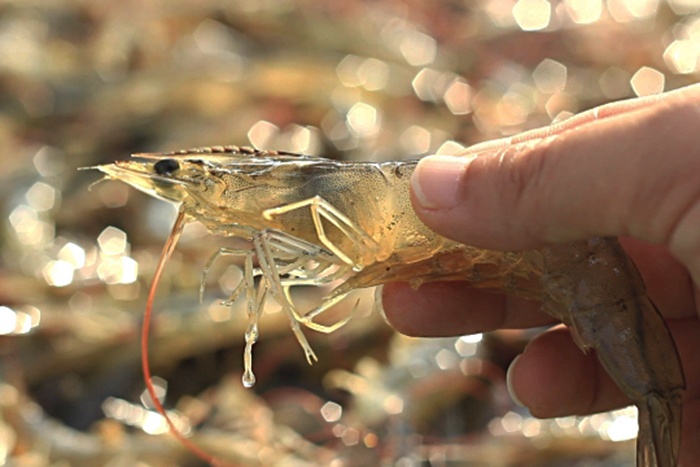
The shrimp's gills may turn black or brown, and the pleopods (swimming legs) and pereiopods (walking legs) become gray and covered with fuzz. In severe cases, the gills turn yellow, gray, or green and become covered with fuzz, which affects respiration. Infected shrimp often rise to the surface, drift towards the shore, and die sporadically. In more serious cases, shrimp may fail to molt.This disease commonly occurs in ponds with high levels of organic matter and dense stocking densities.
Causes of Filamentous Bacterial Infection
The primary cause of the disease is the presence of certain species of filamentous bacteria from the family Cytophagaceae, including Leucothrix mucor, Cytophaga sp., and Flexibacter sp. These bacteria may act independently or in combination to infect the gills, body, and appendages of shrimp. They exist only in vegetative form and do not produce spores. These bacteria are part of the saprophytic microbial community found in seas and estuaries.
They can adhere to the outer surface of many aquatic animals and are capable of breaking down cellulose, chitin, and other organic compounds.
Prevention and Treatment of Filamentous Bacterial Infection in Shrimp
To prevent the disease, it is crucial to maintain a healthy environment and manage organic waste.
If filamentous bacteria are detected but there are no symptoms of the disease yet, you can use BKC 80% to eliminate algae and Probio Yucca to clean the water
Ngày đăng : 17/10/2024
2474 View


Other Articles
Ca Mau, Can Tho and An Giang Play a Leading Role in Vietnam’s Shrimp Industry
Protecting rice-shrimp yields against environmental fluctuations caused by prolonged rain
AQUA MINA Turbo Blower: Quiet, Energy-Efficient Air Supply for Aquaculture Ponds
AQUA MINA has accompanied the experimental tank system project at Can Tho University from its very early days
AQUA MINA AMONG 20 OUTSTANDING PRESENTATIONS AT THE WORKSHOP ON APPLYING SCIENCE AND TECHNOLOGY TO IMPROVE THE QUALITY OF VIETNAM’S AQUATIC PRODUCTS
Vietnam’s Shrimp Farming Industry Enters the High-Tech Race
The U.S. market relies heavily on imported shrimp to bridge its domestic supply gap
The 2028 supply crisis: The shrimp industry is projected to face a 400,000-ton material shortage
High profits from high-tech shrimp farming come with persistent risks
Intensifying El Niño Effect: Climate Change Risks Threaten the Global Shrimp Supply Chain
Evaluating Gaps in the Circular Economy Value Chain of the Shrimp Industry
A Comprehensive Overview of the Vietnamese Shrimp Industry


.jpg)