



US project to develop low-cost white spot test for shrimp farmers
In total, the U.S. Department of Agriculture (USDA) is investing over $12.5 million in the USDA Small Business Innovation Research (SBIR) and Small Business Technology Transfer (STTR) programs. The Phase l awards, which GMGl and Sherlock are included in, will support 76 small businesses conducting high-quality research that addresses critical scientific challenges and opportunities in agriculture.

Rapid and accurate health assessment of farmed animals is critical to US aquaculture and agriculture but is hindered by the cost, time, and technical expertise required for standard diagnostic methods. GMGI has adapted the CRISPR-based SHERLOCK method to develop rapid, inexpensive, sensitive, field-deployable CRISPR-based diagnostics that enable farmers to effectively monitor and respond to disease outbreaks. These low-cost, highly sensitive, field-deployable tests can detect tiny quantities of viruses and other pathogens in less than one hour without needing access to a laboratory or expensive equipment. The ability to efficiently identify and mitigate outbreaks promises significant positive impacts on global aquaculture including increased profitability and sustainability.
This grant from the USDA marks the first time either organization has received funding from the SBIR program. Sherlock Biosciences will serve as the lead, with GMGl collaborating as the non-profit partner.
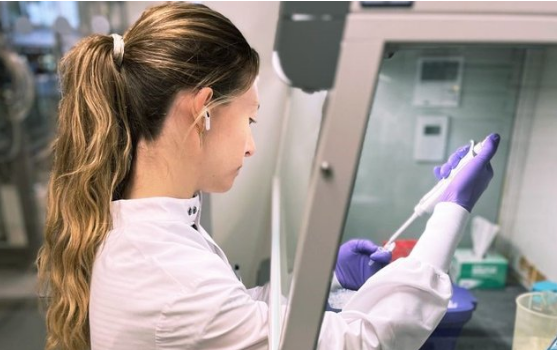
“We are excited to work with the incredibly talented team at Sherlock Biosciences to advance this important project,” said Andrea Bodnar, GMGI's Donald G. Comb Science Director. “The application of the SHERLOCK technology has the potential to transform disease management in aquaculture. It also is providing exciting momentum towards commercialization, a large part of GMGI's mission.”
Sherlock's molecular diagnostics leverage proprietary CRISPR and SynBio chemistries to rapidly deliver results anytime, anywhere they are needed, bringing together the lab accuracy of PCR with the convenience and ease-of-use of antigen tests for molecular diagnostics at the point of need. This collaboration with GMGl provides a unique opportunity for Sherlock Biosciences to expand its technology platform beyond human health to domestic and global food security.
The two teams will use the $175K in funding to focus on the White Spot Syndrome Virus (WSSV) for this project. The potential impacts of our work are significant,” said Dr. Shelly Wanamaker, GMGI's Research Scientist working on this project.“This innovative technology would allow aquaculture farmers to more rapidly and accurately screen for, and respond to, the virus, allowing them to take action before it spreads.”
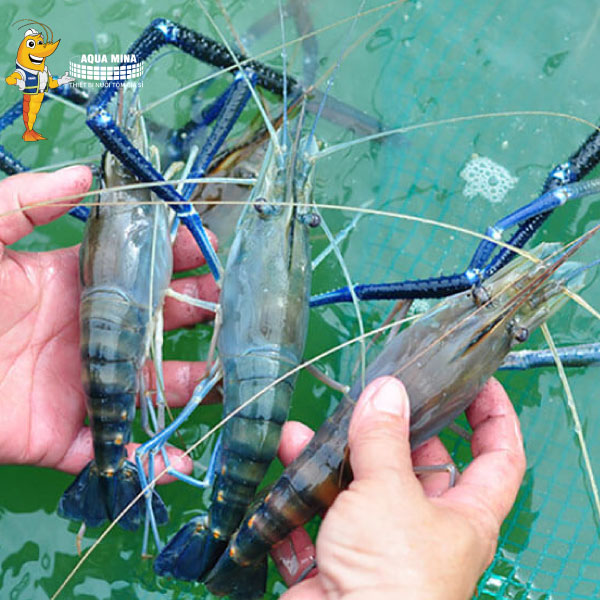
Two months into the project, the team has had success converting GMGI's WSSV method to Sherlock Bioscience's technology and is excited to continue adapting the methodology for ease-of-use by aquaculture industry workers.
Cre: Hatchery Feed Management
Ngày đăng : 22/01/2024
1903 View


Other Articles
Ca Mau, Can Tho and An Giang Play a Leading Role in Vietnam’s Shrimp Industry
Protecting rice-shrimp yields against environmental fluctuations caused by prolonged rain
AQUA MINA Turbo Blower: Quiet, Energy-Efficient Air Supply for Aquaculture Ponds
AQUA MINA has accompanied the experimental tank system project at Can Tho University from its very early days
AQUA MINA AMONG 20 OUTSTANDING PRESENTATIONS AT THE WORKSHOP ON APPLYING SCIENCE AND TECHNOLOGY TO IMPROVE THE QUALITY OF VIETNAM’S AQUATIC PRODUCTS
Vietnam’s Shrimp Farming Industry Enters the High-Tech Race
The U.S. market relies heavily on imported shrimp to bridge its domestic supply gap
The 2028 supply crisis: The shrimp industry is projected to face a 400,000-ton material shortage
High profits from high-tech shrimp farming come with persistent risks
Intensifying El Niño Effect: Climate Change Risks Threaten the Global Shrimp Supply Chain
Evaluating Gaps in the Circular Economy Value Chain of the Shrimp Industry
A Comprehensive Overview of the Vietnamese Shrimp Industry








.jpg)