

Global Seafood Alliance Will Require All BAP-certified Shrimp Producers to End Eyestalk Ablation by the End of 2030
The Global Seafood Alliance (GSA) will require all shrimp production facilities around the world certified to Best Aquaculture Practices (BAP) certification standards to end eyestalk ablation or the sourcing of shrimp postlarvae from hatcheries that engage in the practice by the end of 2030, the organization announced today.
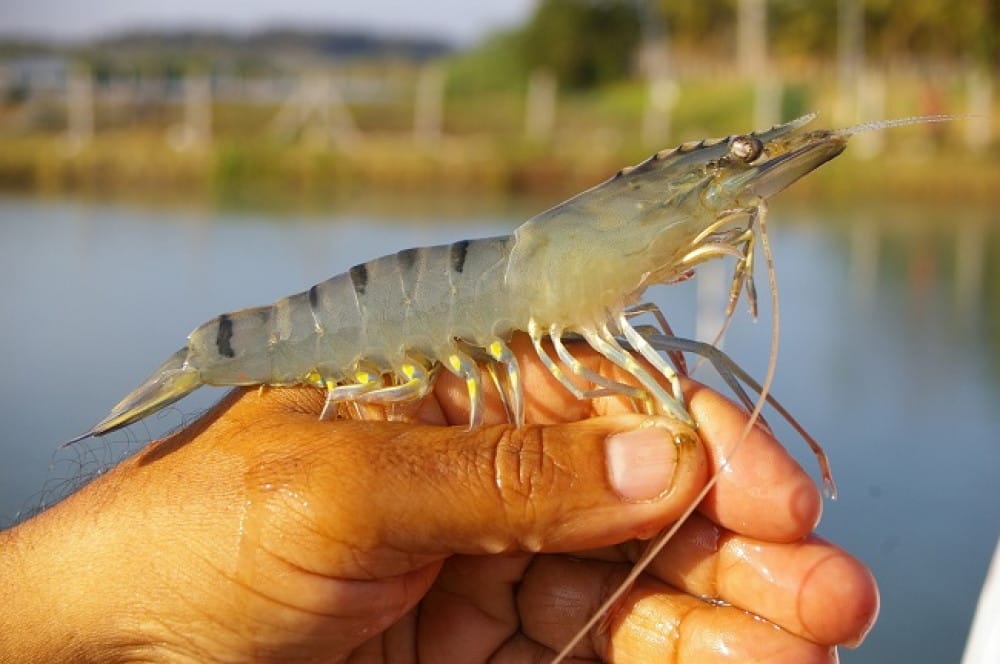
Eyestalk ablation – the pinching, cauterizing or surgical removal of a broodstock female shrimp’s eyestalk – is a breeding technique that prompts the spawning process and has been a standard practice in shrimp hatcheries for nearly four decades. The eyestalk of a shrimp contains a complex of glands that influence molting, sexual maturation and egg production.
For the past several years, GSA has funded and undertaken extensive research to identify commercially viable alternative methods to eyestalk ablation and has collaborated with academic, NGO and industry partners to ascertain the challenges associated with an industry-wide shift to shrimp farming without ablation. Last year, the organization shared the results of a survey conducted with shrimp producers in key production regions to determine the industry’s readiness for adopting alternative methods and the primary obstacles to achieving that goal.
As a result of these collaborative efforts, GSA has decided to ban the practice of eyestalk ablation by the end of 2030 and will work closely with BAP-certified producers and industry stakeholders in the lead-up to achieve this goal.
“The years of rigorous due diligence conducted by the GSA team and by our valued external shareholders gives us confidence that BAP-certified shrimp facilities will be able to successfully make the transition to non-ablated shrimp production within five years,” said CEO Mike Kocsis. “It may be a difficult challenge for some producers, but it’s become clear that eyestalk ablation should no longer be considered among the best practices for shrimp aquaculture. Animal health and welfare is one of the four pillars of responsibility that guide all BAP standards, which also include environmental responsibility, food safety and social accountability. Our standards are designed to strengthen over time and reflect the latest knowledge about the impact of aquaculture, an industry that will only be growing in importance as both the global human population and the threat of climate change increase.”
GSA believes that as aquatic animal welfare research and knowledge have matured, shrimp eyestalk ablation has emerged as an issue that the industry can and should solve through innovation and collaboration. Some retailers and consumers have been calling for an end to the practice.
“GSA stands ready to support the global aquaculture industry at all times and be a resource for shrimp farmers everywhere who need assistance making this historically important transition,” Kocsis added.
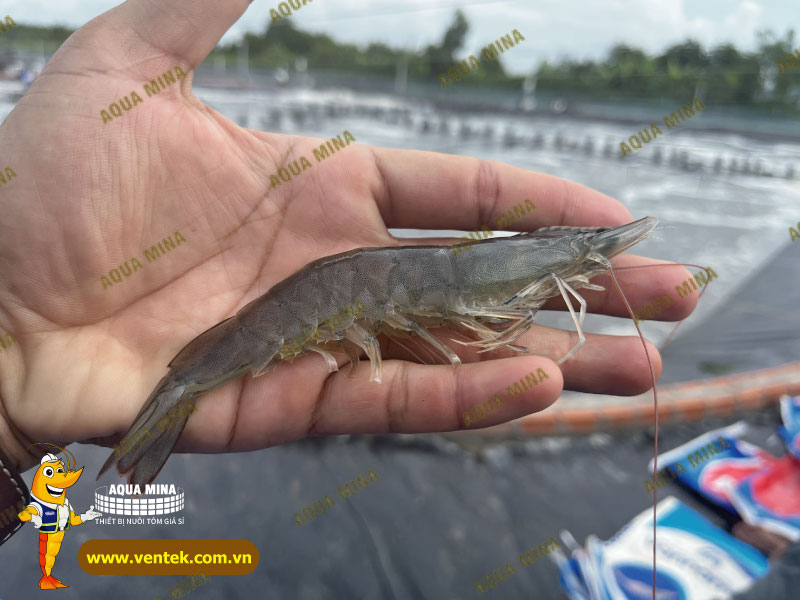
There are currently nearly 1,900 shrimp farms and 150 shrimp hatcheries around the world with an active BAP certification, producing nearly 800,000 metric tons of shrimp annually. Globally, there are more than 4,000 BAP-certified farms, hatcheries, processing plants for all seafood products combined.
About Global Seafood Alliance
The Global Seafood Alliance is an international, nonprofit trade association dedicated to advancing responsible seafood practices through education, advocacy and third-party assurances. Through the development of its certification programs, GSA has become the leading provider of assurances for wild and farmed seafood globally. The organization’s work addresses the full spectrum of responsibility, from environmental responsibility and social accountability to food safety. Established in 1997 as the Global Aquaculture Alliance, GSA is headquartered in Portsmouth, N.H., USA. To learn more, visit www.globalseafood.org.
Source: globalseafood
AQUA MINA CO., LTD
– Address: 685 Le Duc Anh Street, Quarter 39, Binh Hung Hoa Ward, Ho Chi Minh City
– Phone: 1800 6071 (Toll-free hotline)
– Email: sales@aquamina.com.vn or oversea@aquamina.com.vn
– Aqua Mina’s Official Distributor in Japan: REX INDUSTRIES CO., LTD
– Address: 1-9-3 Hishiya-Higashi, Higashi-Osaka 578-0948, JAPAN
– Email: kimakubo@rexind.co.jp
– Phone: +81-(0)72-961-9893
– Website: www.rexind.co.jp/e/

WE WORK FOR THE SUCCESS
Ngày đăng : 21/11/2025
1908 View


Other Articles
Ca Mau, Can Tho and An Giang Play a Leading Role in Vietnam’s Shrimp Industry
Protecting rice-shrimp yields against environmental fluctuations caused by prolonged rain
AQUA MINA Turbo Blower: Quiet, Energy-Efficient Air Supply for Aquaculture Ponds
AQUA MINA has accompanied the experimental tank system project at Can Tho University from its very early days
AQUA MINA AMONG 20 OUTSTANDING PRESENTATIONS AT THE WORKSHOP ON APPLYING SCIENCE AND TECHNOLOGY TO IMPROVE THE QUALITY OF VIETNAM’S AQUATIC PRODUCTS
Vietnam’s Shrimp Farming Industry Enters the High-Tech Race
The U.S. market relies heavily on imported shrimp to bridge its domestic supply gap
The 2028 supply crisis: The shrimp industry is projected to face a 400,000-ton material shortage
High profits from high-tech shrimp farming come with persistent risks
Intensifying El Niño Effect: Climate Change Risks Threaten the Global Shrimp Supply Chain
Evaluating Gaps in the Circular Economy Value Chain of the Shrimp Industry
A Comprehensive Overview of the Vietnamese Shrimp Industry


.jpg)