

Guide to Using Biotechnology in Shrimp Farming
Using biotechnology in commercial shrimp farming has become an essential method in the Vietnamese shrimp industry. The role of probiotics is to stimulate the digestion process and enhance the immune system of farmed shrimp. The shrimp industry is currently facing many challenges, necessitating sustainable development strategies for long-term growth.
Before Stocking Shrimp:
Before stocking shrimp, completely drain the pond, remove the bottom sludge, and use microbial products to treat black sludge at the pond's bottom. Sun-dry the bottom for 10-15 days, and plow the pond bottom to release toxic gases like NH3 and H2S, creating favorable conditions for beneficial microorganisms in the pond bottom to thrive. Apply lime to improve the pond bottom and banks, fill the pond with water, and disinfect with non-toxic products like Vikon or low-toxicity products like Isodine. Only use Chlorine for disinfection when absolutely necessary, such as in ponds that had disease outbreaks in the previous season or are located in disease-prone areas. After 5-6 days, eliminate unwanted organisms and fertilize to create water color. For ponds where it is difficult to establish water color, use probiotics like probio. In ponds with heavily acidic bottoms, use specialized microbial products containing Thiobacillus spp. to treat the acidity. Use biological products to increase the beneficial microbial content in the pond. Check the microbial composition in the pond, and if it meets the requirements, proceed to stock the shrimp.
During the Farming Process:
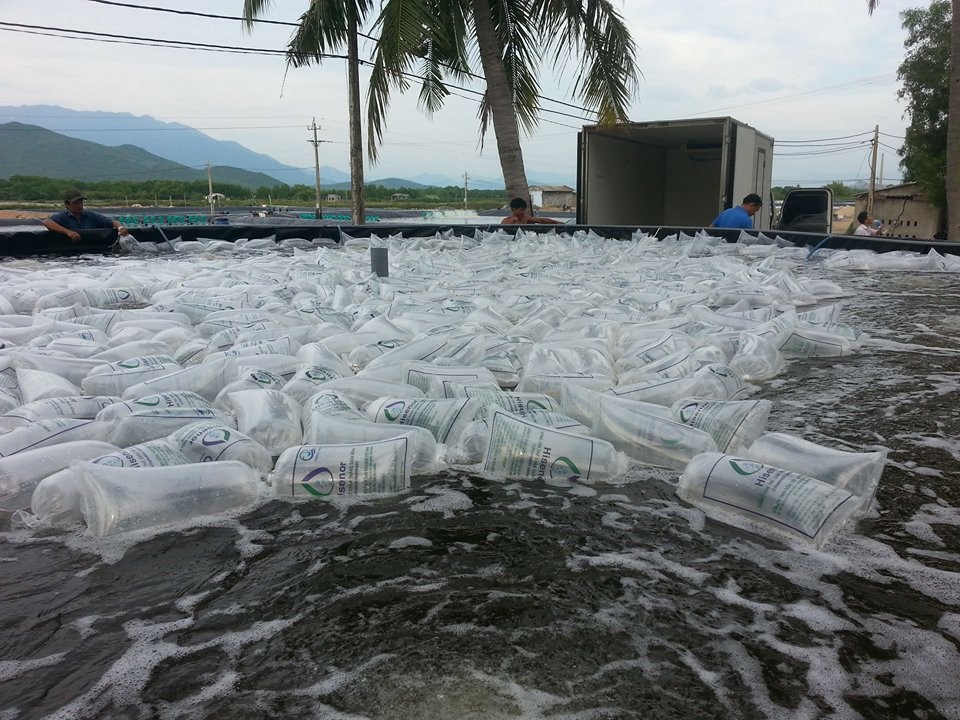
Throughout the farming process, regularly use microbial products to treat the water environment to stabilize the population of beneficial bacteria in the pond, ensuring consistent water quality and disease prevention. Mix probiotics into the shrimp feed throughout the farming period to stabilize the gut microbiota of the shrimp, enhancing their feeding activity, improving digestion and nutrient absorption, increasing feed efficiency, and helping to prevent and treat shrimp intestinal diseases.
After Harvesting:
To ensure safety for the next season, use biotechnology to treat wastewater before discharging it into the environment after harvest. Use microbial products to treat waste at the end of the farming cycle.
Cre: Thuỷ sản Việt Nam
Ngày đăng : 15/08/2024
1928 View


Other Articles
Ca Mau, Can Tho and An Giang Play a Leading Role in Vietnam’s Shrimp Industry
Protecting rice-shrimp yields against environmental fluctuations caused by prolonged rain
AQUA MINA Turbo Blower: Quiet, Energy-Efficient Air Supply for Aquaculture Ponds
AQUA MINA has accompanied the experimental tank system project at Can Tho University from its very early days
AQUA MINA AMONG 20 OUTSTANDING PRESENTATIONS AT THE WORKSHOP ON APPLYING SCIENCE AND TECHNOLOGY TO IMPROVE THE QUALITY OF VIETNAM’S AQUATIC PRODUCTS
Vietnam’s Shrimp Farming Industry Enters the High-Tech Race
The U.S. market relies heavily on imported shrimp to bridge its domestic supply gap
The 2028 supply crisis: The shrimp industry is projected to face a 400,000-ton material shortage
High profits from high-tech shrimp farming come with persistent risks
Intensifying El Niño Effect: Climate Change Risks Threaten the Global Shrimp Supply Chain
Evaluating Gaps in the Circular Economy Value Chain of the Shrimp Industry
A Comprehensive Overview of the Vietnamese Shrimp Industry






.jpg)