


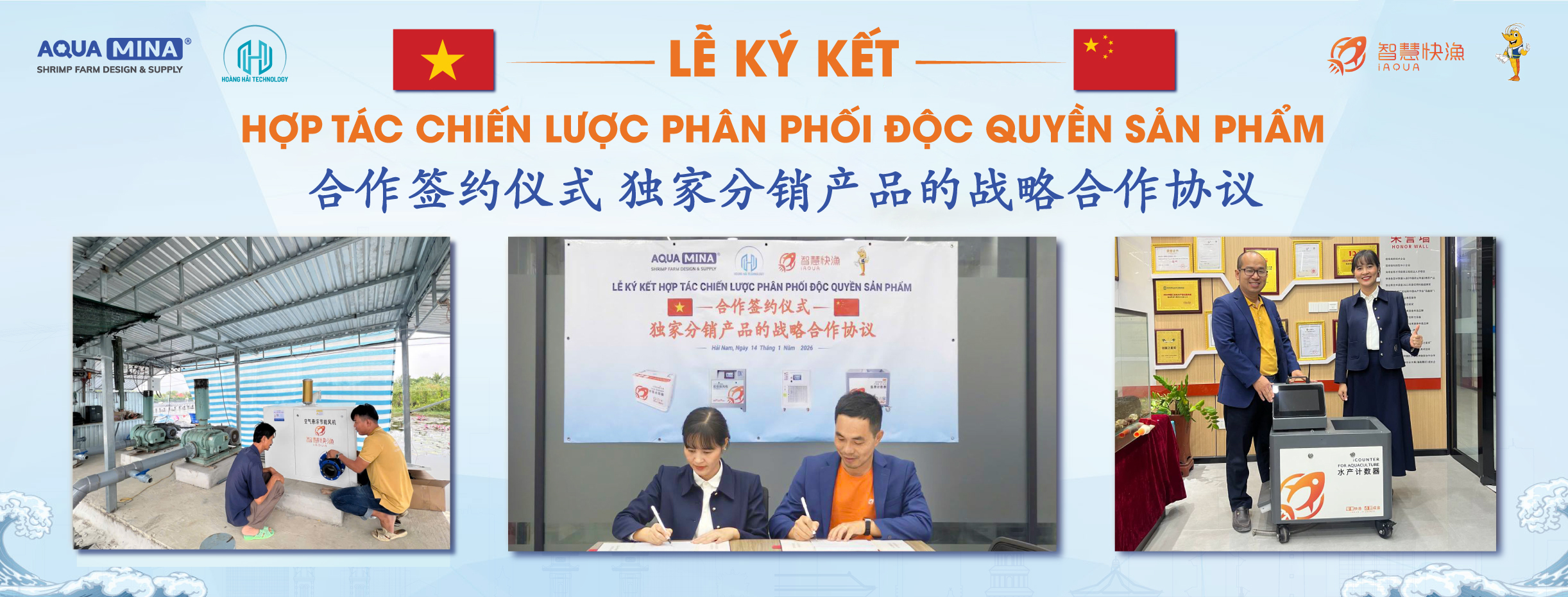
Whiteleg Shrimp Prices Plunge: Mekong Delta Market Shows No Signs of Recovery
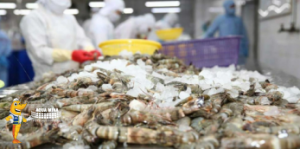
As of July 1, reports from the Mekong Delta show that whiteleg shrimp prices have continued to decline in recent days. According to a shrimp trader in Can Tho, shrimp sized at 30 - 50 pieces per kilogram is now being purchased at around VND 97,000 per kilogram, while shrimp sized at 100 pieces per kilogram is trading at approximately VND 88,000 per kilogram. What stands out this year is a noticeable shift in market demand. In previous years, larger shrimp usually commanded better prices and were easier to sell. This year, however, larger shrimp sizes are facing stronger price pressure. Some processing factories are buying more cautiously and showing a preference for smaller shrimp, making purchasing activities at many collection agents less active than usual. Mr. Bay Nghiep, a large-scale whiteleg shrimp farmer in Can Tho, said this is one of the sharpest price declines he has seen. According to him, shrimp prices were relatively high at the beginning of the year, but have been falling continuously in recent weeks. At the same time last year, shrimp sized at 50 pieces per kilogram could be sold for around VND 140,000 per kilogram. Now, the same size is being purchased at only about VND 97,000 per kilogram, a drop of around VND 43,000 per kilogram.
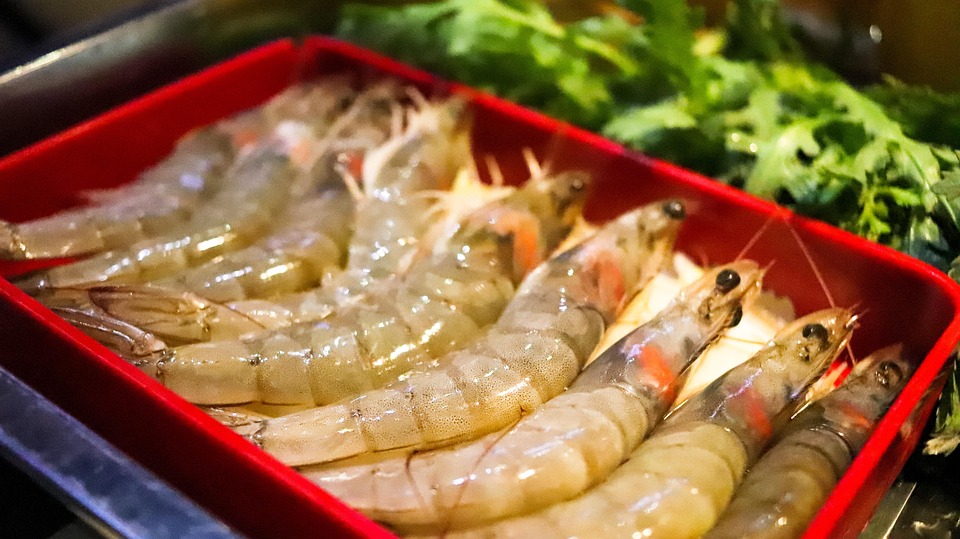
This price level is putting significant pressure on farmers, especially those with low survival rates or high production costs. Beyond the risk of financial losses, many farmers are also facing difficulties in selling their shrimp, as finding buyers has become more challenging than before. To cope with price volatility, Mr. Bay Nghiep said his farm has adopted a high-tech farming model with a stocking density of about 350 shrimp per square meter. After around 70 days of farming, when the shrimp reach about 100 pieces per kilogram, the farm begins partial harvesting until the crop is fully harvested. This method allows his farm, which covers more than 500 hectares, to maintain a steady supply for the market, reduce risks during price fluctuations, and sustain better economic efficiency.
AQUA MINA CO., LTD

WE WORK FOR THE SUCCESS


Ca Mau, Can Tho and An Giang Play a Leading Role in Vietnam’s Shrimp Industry
Protecting rice-shrimp yields against environmental fluctuations caused by prolonged rain
AQUA MINA Turbo Blower: Quiet, Energy-Efficient Air Supply for Aquaculture Ponds
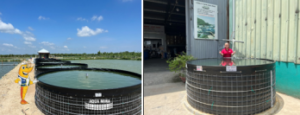
AQUA MINA has accompanied the experimental tank system project at Can Tho University from its very early days
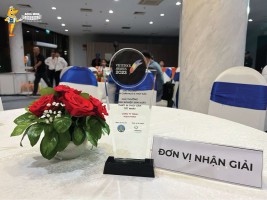
AQUA MINA AMONG 20 OUTSTANDING PRESENTATIONS AT THE WORKSHOP ON APPLYING SCIENCE AND TECHNOLOGY TO IMPROVE THE QUALITY OF VIETNAM’S AQUATIC PRODUCTS
Vietnam’s Shrimp Farming Industry Enters the High-Tech Race
The U.S. market relies heavily on imported shrimp to bridge its domestic supply gap
The 2028 supply crisis: The shrimp industry is projected to face a 400,000-ton material shortage
High profits from high-tech shrimp farming come with persistent risks
Intensifying El Niño Effect: Climate Change Risks Threaten the Global Shrimp Supply Chain
Evaluating Gaps in the Circular Economy Value Chain of the Shrimp Industry
A Comprehensive Overview of the Vietnamese Shrimp Industry


.jpg)