



AQUA MINA Concludes 4-Day Training Course in Khanh Hoa – Promoting Effective Aquaculture Solutions
Centering on the topic HDPE-Lined Raised Circular Ponds (Mobile Circular Ponds) – Applications in Aquaculture, the program aimed to share practical insights and solutions. This initiative provides farmers with clearer perspectives on model selection, enhancing production efficiency, and moving toward sustainable aquaculture development.
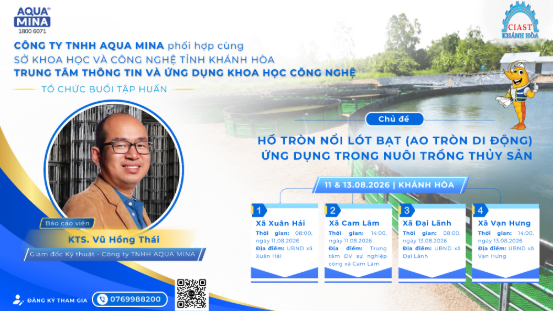
1. A 4-Day Journey – Multiple Destinations, Stronger Connections
As part of the program, AQUA MINA collaborated with the Khanh Hoa Department of Science and Technology and the Center for Science & Technology Information and Application to organize training and networking sessions across various local communities.
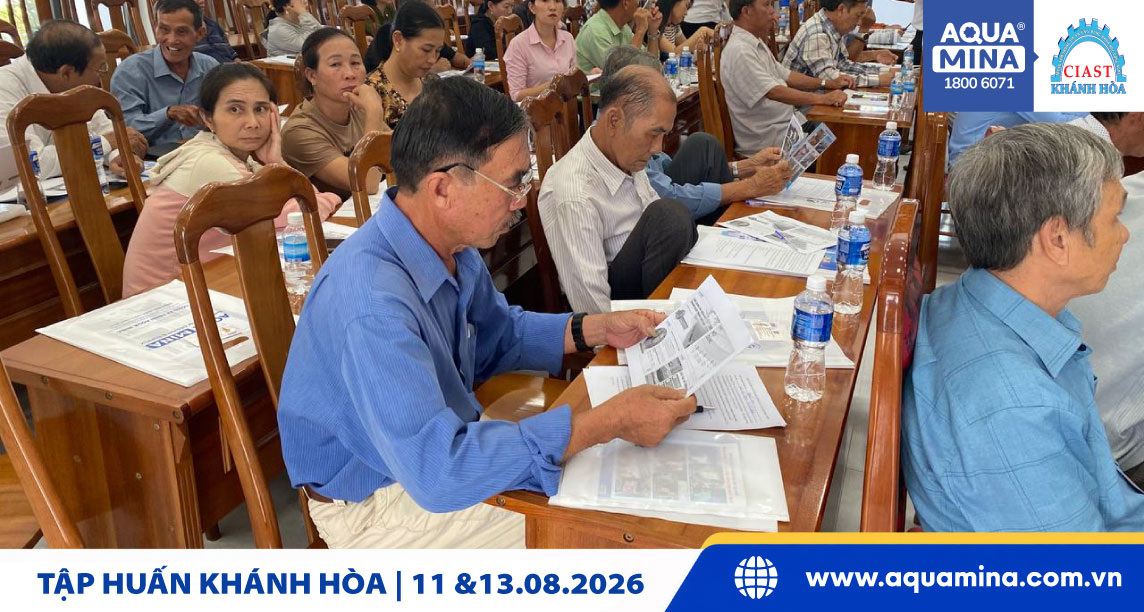
From the very first sessions in Xuan Hai and Cam Lâm communes, the program received enthusiastic interest and participation from local farmers, authorities, and guests.
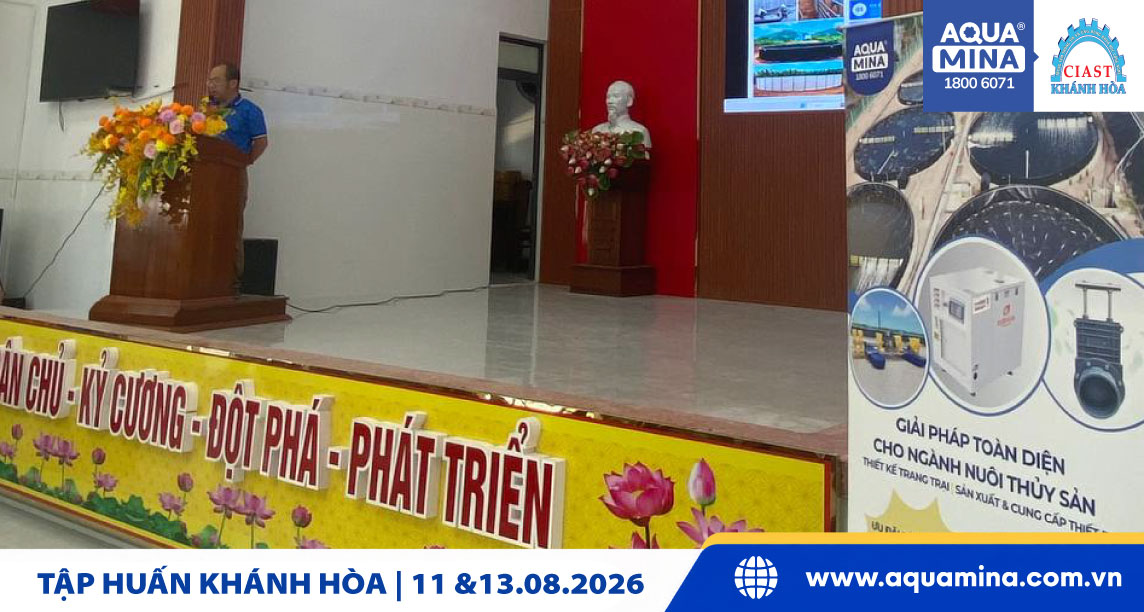
Continuing the journey to Dai Lanh and Van Hung communes, AQUA MINA presented key insights into the HDPE-lined raised circular pond model and its practical applications in aquaculture.
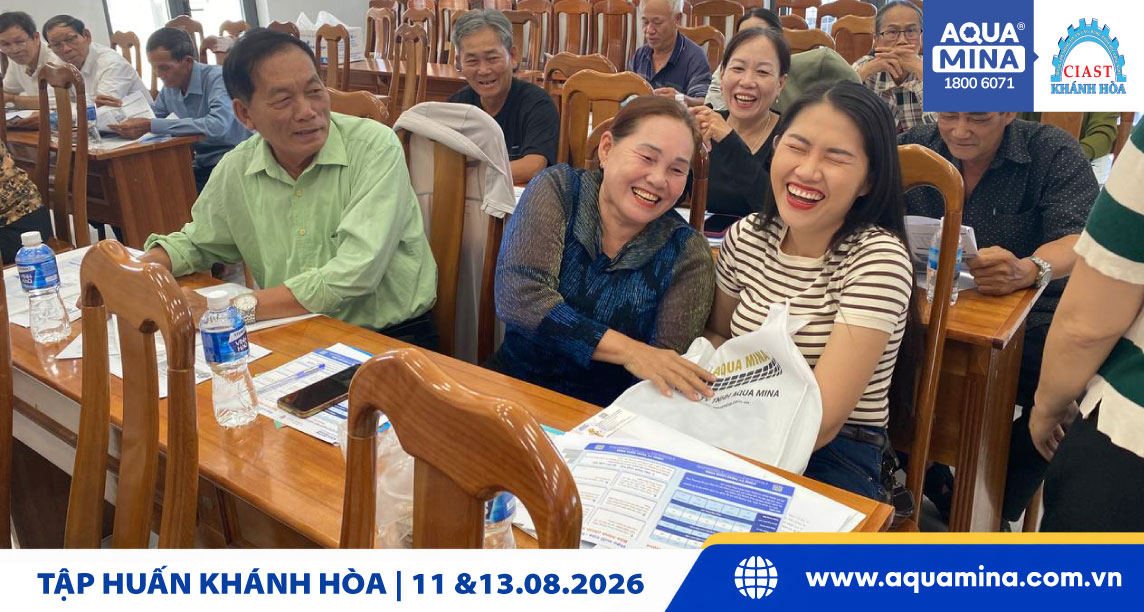
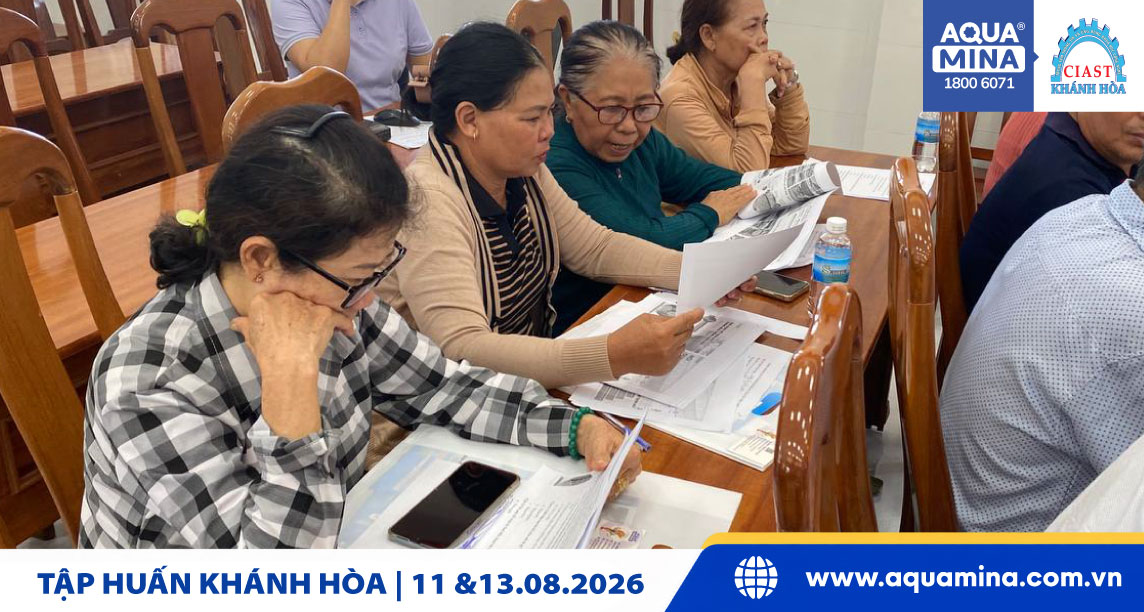
The atmosphere throughout the training sessions went beyond formal presentations, featuring lively Q&A exchanges and practical experience sharing from the farmers.
2. From Technical Knowledge to Field Practice
A key value of the program was creating a space where technical expertise met real-world production.
Through direct questions and candid discussions with farmers, AQUA MINA gained deeper insights into local conditions, needs, and ongoing challenges in each area.
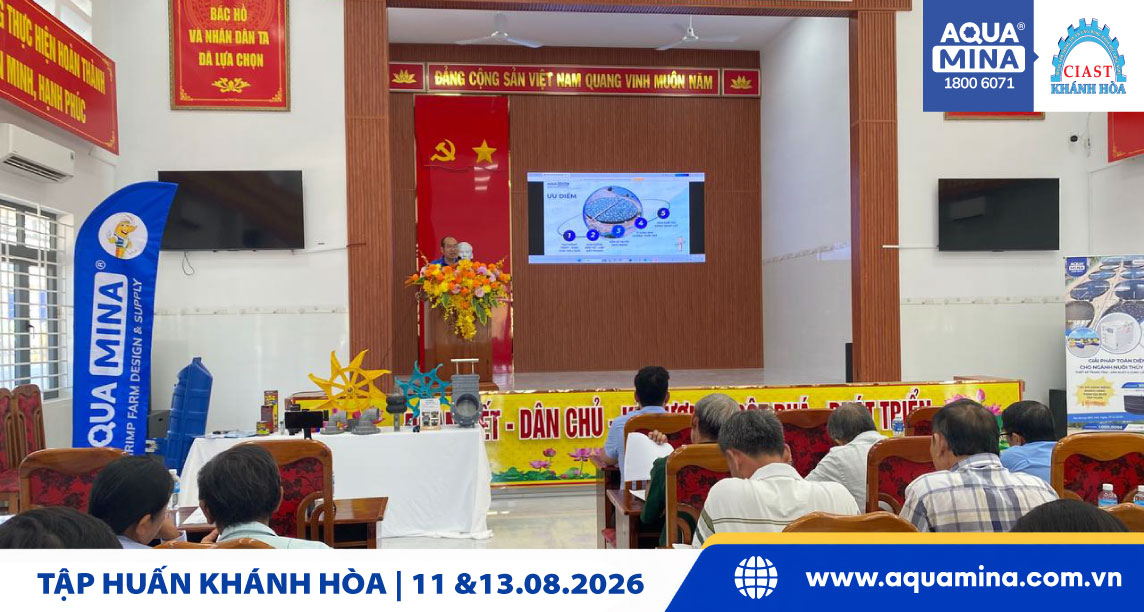
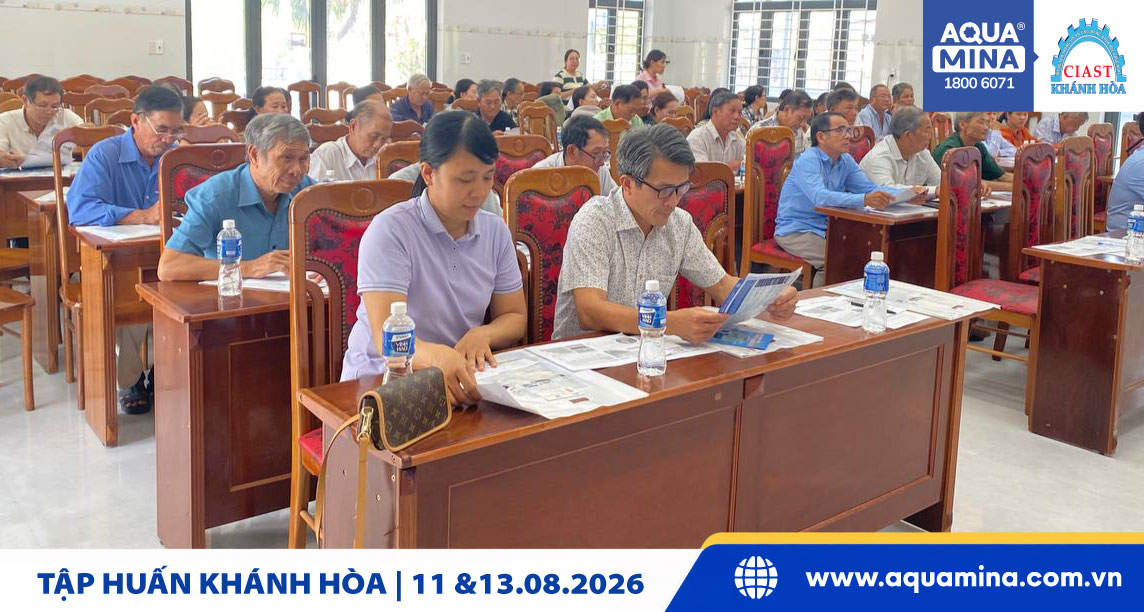
Regarding the HDPE-lined raised circular pond model, the program focused on providing farmers with practical guidance on adoption and implementation, helping them make informed decisions suited to their specific farm conditions.
AQUA MINA believes that an effective solution relies not only on technology or equipment, but also on its adaptability to regional field conditions and user requirements.
3. More Than Training – A Journey of Connection
Over the four days, every destination brought unique encounters and stories.
Whether it was a question about farming models, shared experiences from local farmers, or informal conversations after the sessions, these interactions helped bridge the gap between solution providers and farmers.
For AQUA MINA, this was a valuable opportunity to listen, better understand field realities, and refine our vision of delivering tailored solutions for the aquaculture industry.
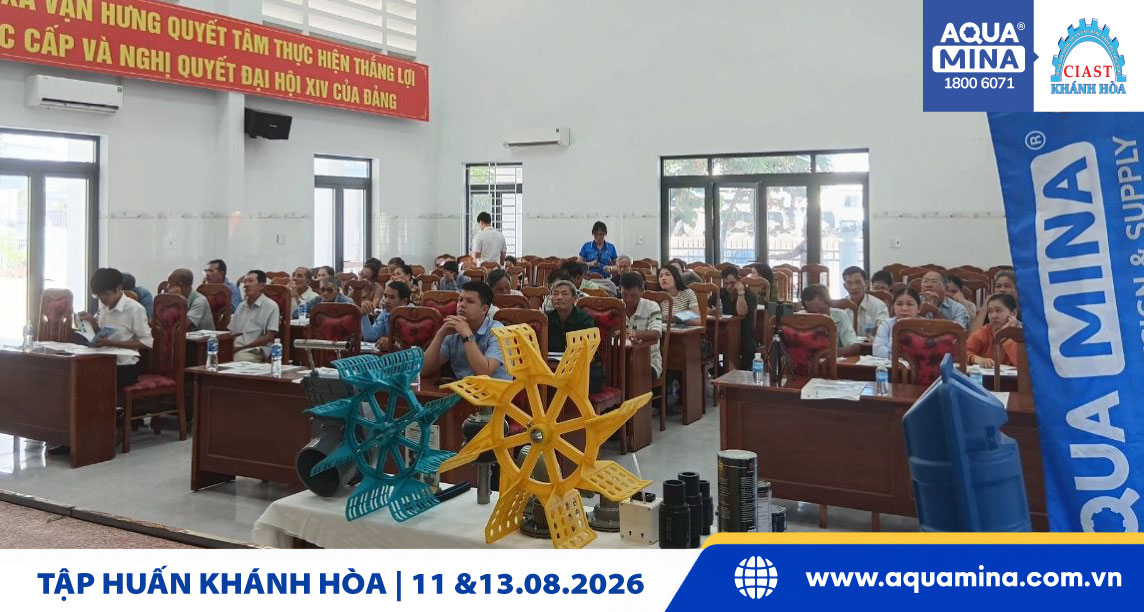
4. Looking Back at Memorable Moments in Khanh Hoa
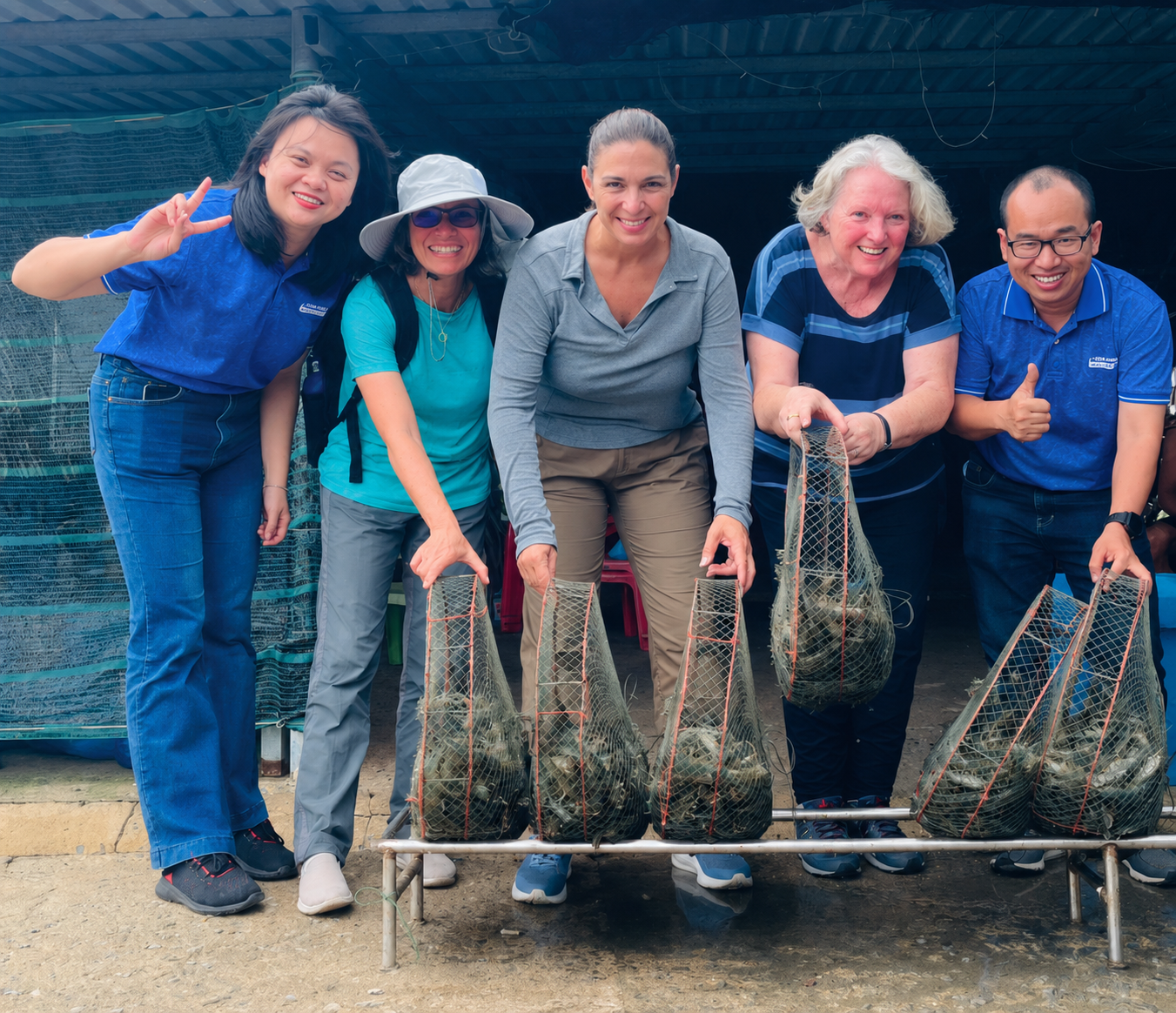
The 4-day training concluded with numerous inspiring moments—from initial greetings and spirited discussions to practical inquiries, warm smiles, and strong community engagement at every stop.
Each moment marks a milestone in AQUA MINA's ongoing mission: sharing knowledge, connecting practice, and spreading effective solutions.
AQUA MINA expresses its sincere gratitude to the Khanh Hoa Department of Science and Technology, the Center for Science & Technology Information and Application, local authorities, and all participating farmers for their enthusiastic support throughout the program.
5. 4 Days Concluded – The Journey of Partnership Continues
While the training series in Khanh Hoa has drawn to a close, the connections forged along the way will continue to fuel AQUA MINA’s effort to bring practical knowledge, solutions, and tangible value closer to the aquaculture community.
AQUA MINA CO., LTD
WE WORK FOR THE SUCCESS


Ca Mau, Can Tho and An Giang Play a Leading Role in Vietnam’s Shrimp Industry
Protecting rice-shrimp yields against environmental fluctuations caused by prolonged rain
AQUA MINA Turbo Blower: Quiet, Energy-Efficient Air Supply for Aquaculture Ponds
AQUA MINA has accompanied the experimental tank system project at Can Tho University from its very early days
AQUA MINA AMONG 20 OUTSTANDING PRESENTATIONS AT THE WORKSHOP ON APPLYING SCIENCE AND TECHNOLOGY TO IMPROVE THE QUALITY OF VIETNAM’S AQUATIC PRODUCTS
Vietnam’s Shrimp Farming Industry Enters the High-Tech Race
The U.S. market relies heavily on imported shrimp to bridge its domestic supply gap
The 2028 supply crisis: The shrimp industry is projected to face a 400,000-ton material shortage
High profits from high-tech shrimp farming come with persistent risks
Intensifying El Niño Effect: Climate Change Risks Threaten the Global Shrimp Supply Chain
Evaluating Gaps in the Circular Economy Value Chain of the Shrimp Industry
A Comprehensive Overview of the Vietnamese Shrimp Industry












.jpg)
