

Project to use low-cost biosensors to detect presence of pathogens
The National Science Foundation (NSF) has awarded a three-year, USD 1 million grant to a team of researchers led by electrical engineering professor Yan Luo from the University of Massachusetts Lowell to develop a data analytics platform that uses biosensors to detect harmful organisms such as Vibrio and Pseudomonas in aquaculture farms and coastal waters.
The project, called BioSPACE, which stands for Biosensing Surveillance of Pathogens in Aquaculture and Coastal Environments, is designed to continuously monitor the water in real-time and send an alert to take immediate steps to help prevent the spread of diseases.
BioSPACE aims to give farmers, environmental agencies and water-reliant industries a rapid, portable, easy-to-use and monitoring and early warning system that is low in cost, yet sensitive.
“Existing technologies for detecting waterborne pathogens, such as PCR, are too slow and costly for large-scale deployment,” Luo said.“Delayed test results can lead to the spread of pathogens, which can progress to coastal contamination and extensive aquaculture losses.”
Although Luo's research team has primarily concentrated on biosensor technology for public health uses, such as monitoring for the COVID-19 virus in municipal wastewater and sewage, this project marks its first effort to explore the technology in a complex setting like seawater.
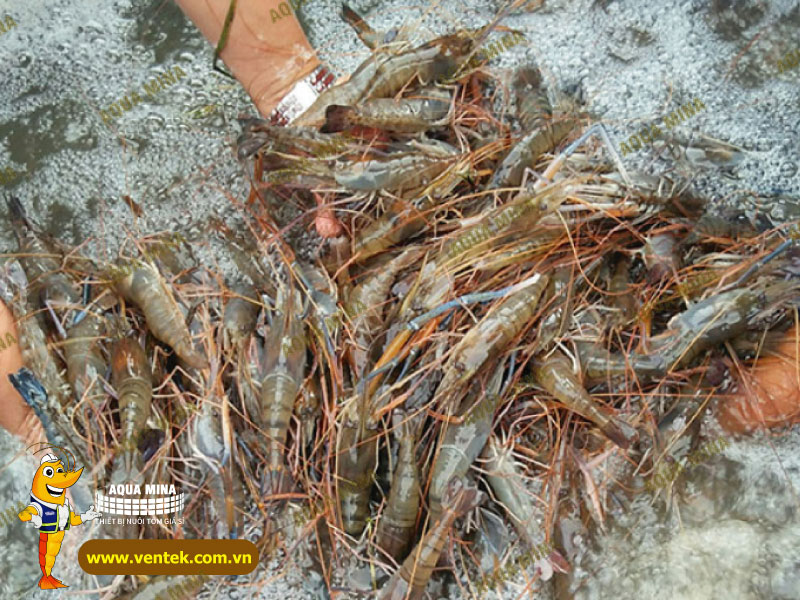
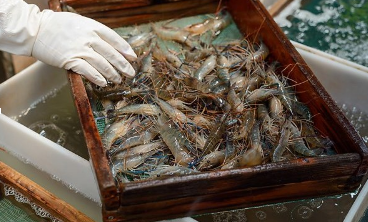
The team's initial targets are bacterial and viral pathogens such as Vibrio that occur in shrimp aquaculture and coastal waters and can lead to diseases in farm-raised aquatic animals and humans. “We will assess how well our biosensors will perform over time and how accurate they are in detecting specific aquatic pathogens, said Luo.
Cre: Hatchery Feed Management
Ngày đăng : 26/01/2024
1638 View


Other Articles
Ca Mau, Can Tho and An Giang Play a Leading Role in Vietnam’s Shrimp Industry
Protecting rice-shrimp yields against environmental fluctuations caused by prolonged rain
AQUA MINA Turbo Blower: Quiet, Energy-Efficient Air Supply for Aquaculture Ponds
AQUA MINA has accompanied the experimental tank system project at Can Tho University from its very early days
AQUA MINA AMONG 20 OUTSTANDING PRESENTATIONS AT THE WORKSHOP ON APPLYING SCIENCE AND TECHNOLOGY TO IMPROVE THE QUALITY OF VIETNAM’S AQUATIC PRODUCTS
Vietnam’s Shrimp Farming Industry Enters the High-Tech Race
The U.S. market relies heavily on imported shrimp to bridge its domestic supply gap
The 2028 supply crisis: The shrimp industry is projected to face a 400,000-ton material shortage
High profits from high-tech shrimp farming come with persistent risks
Intensifying El Niño Effect: Climate Change Risks Threaten the Global Shrimp Supply Chain
Evaluating Gaps in the Circular Economy Value Chain of the Shrimp Industry
A Comprehensive Overview of the Vietnamese Shrimp Industry


.jpg)