

Shrimp Farmers Seeking a Sustainable Path Forward
Shrimp Farming Faces Growing Challenges
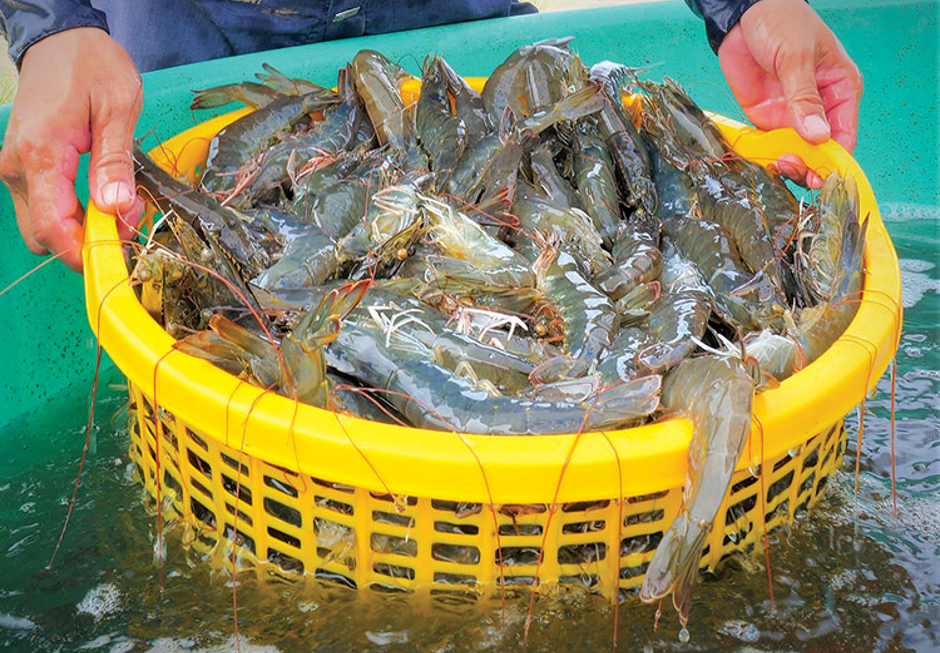
In recent years, Vietnam’s shrimp farming industry has faced mounting difficulties, including unpredictable weather, environmental issues, disease outbreaks, and market volatility — all of which have significantly impacted farmers. Over the past two years especially, the sharp drop in raw shrimp prices has negatively affected farmers’ confidence and willingness to invest.
Vietnam’s shrimp production costs remain relatively high — reportedly up to $1 USD per kilogram more than competitors — making it harder for Vietnamese shrimp to compete on the global market.
Statistics show that shrimp feed prices have increased by 20–30% over the past year, placing immense financial pressure on farmers. According to industry associations, many shrimp farmers are currently operating at a loss, with some reporting a recovery of only 50–60% of their investment — making continued farming unsustainable.
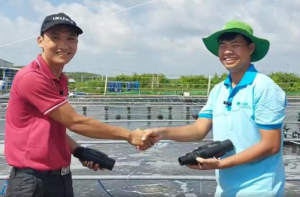
At the C.P. Vietnam Customer Conference in Bạc Liêu on August 16, Mr. Boonlap Watcharawanitchakul, Senior Executive Vice President of C.P. Vietnam, commented that shrimp prices — even if they recover — are unlikely to return to their “golden era.” Competing nations have advanced low-cost farming models, putting further strain on Vietnam’s shrimp sector.
He emphasized the urgent need to improve success rates and reduce production costs to stay competitive.
Even seasoned farmers with over a decade of experience now find themselves anxious, searching for the right direction amid market uncertainty.
“Searching With Bleary Eyes” for the Right Farming Method
With various new farming models and technologies being introduced, shrimp farmers are faced with the daunting task of finding an approach that matches their financial capacity and leads to a successful, profitable crop.
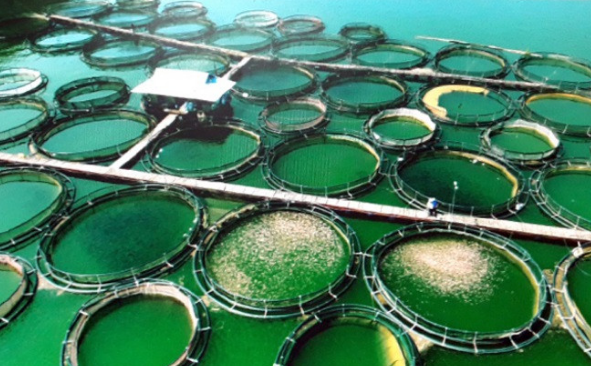
High-tech shrimp farming models are gaining attention — particularly RAS (Recirculating Aquaculture Systems) and two-phase farming. RAS offers water reuse and environmental control, reducing waste and saving costs, while the two-phase model enhances shrimp growth control and reduces disease risks.
However, high-tech models aren’t accessible to everyone. Without proper capital and standardized processes, partial adoption may lead to crop failures and financial ruin. A farmer from Vĩnh Hậu commune, Bạc Liêu province, shared:
“The industrial shrimp model now has a 50% failure rate. Many households have failed for consecutive years, falling into debt — some even selling land to repay loans. Costs are rising, but selling prices keep dropping. While super-intensive models have high yields, when prices fall, it’s an instant loss.”
Organic and Low-Cost Models on the Rise
To cope with challenges, many shrimp farmers are turning to eco-friendly and low-input solutions, such as organic shrimp farming or using agricultural by-products to enhance water quality and reduce production costs.
The microbial-based farming method is gaining traction again. This approach fosters a natural pond environment that supports shrimp health and reduces costs. Many farmers using this method have reported improved productivity.
One of the most notable trends is the return of straw-based shrimp farming, which leverages rice straw as both a natural feed and a medium for beneficial microbial growth. Although the technique originated 20–30 years ago, modern implementations have brought it back into the spotlight.
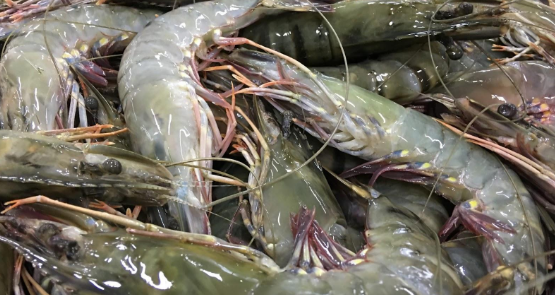
“Old method, new results” – Straw farming now shows significant promise under today’s conditions.
Straw, an abundant by-product of agriculture, not only reduces environmental pollution but also provides natural food sources. It enriches pond ecosystems with beneficial microorganisms, improving water quality and shrimp immunity — all while cutting costs and utilizing local resources.
This model not only boosts productivity, but also supports sustainable farming, environmental protection, and local economic development.
The Need for Mindset Shifts and Collaboration
Despite the potential of new methods, transitioning isn’t easy. Knowledge gaps and fear of upfront investment are major obstacles. Many farmers hesitate to adopt modern technologies due to limited know-how or financial barriers.
Success in transformation requires a change in mindset, continuous learning, and strong collaboration among farmers, scientists, managers, and businesses — all working toward a more resilient, sustainable shrimp industry.
Source: aquaculture.vn
Aqua Mina's distributor in Japan: REX INDUSTRIES CO., LTD
- Address: 1-9-3 Hishiya-Higashi, Higashi-Osaka 578-0948 JAPAN
- Email: kimakubo@rexind.co.jp
- Phone: +81-(0)72-961-9893
- Website: http://www.rexind.co.jp/e/
WE WORK FOR YOUR SUCCESS!
Ngày đăng : 17/06/2025
2171 View


Other Articles
Ca Mau, Can Tho and An Giang Play a Leading Role in Vietnam’s Shrimp Industry
Protecting rice-shrimp yields against environmental fluctuations caused by prolonged rain
AQUA MINA Turbo Blower: Quiet, Energy-Efficient Air Supply for Aquaculture Ponds
AQUA MINA has accompanied the experimental tank system project at Can Tho University from its very early days
AQUA MINA AMONG 20 OUTSTANDING PRESENTATIONS AT THE WORKSHOP ON APPLYING SCIENCE AND TECHNOLOGY TO IMPROVE THE QUALITY OF VIETNAM’S AQUATIC PRODUCTS
Vietnam’s Shrimp Farming Industry Enters the High-Tech Race
The U.S. market relies heavily on imported shrimp to bridge its domestic supply gap
The 2028 supply crisis: The shrimp industry is projected to face a 400,000-ton material shortage
High profits from high-tech shrimp farming come with persistent risks
Intensifying El Niño Effect: Climate Change Risks Threaten the Global Shrimp Supply Chain
Evaluating Gaps in the Circular Economy Value Chain of the Shrimp Industry
A Comprehensive Overview of the Vietnamese Shrimp Industry



.jpg)