


How to Use Earthworms in Shrimp Farming
What Are Earthworms?
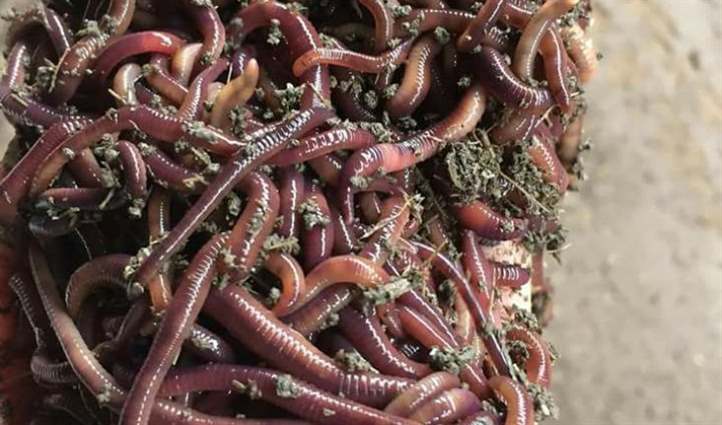
Earthworms, scientifically known as Perionyx excavatus, are a species of earthworm commonly found in environments rich in decomposing organic matter. Known by various names such as red worms, vermiworms, or bait worms, they are highly nutritious and widely used in animal husbandry.
Nutritional Composition of Earthworms for Shrimp and Fish
Earthworms contain eight essential amino acids required by aquatic animals, including shrimp and fish. They are rich in vitamins B1 and B2—up to 10 times more than soybean meal and 14 times more than fishmeal. Additionally, they provide an abundance of vitamins A, E, and C, along with beneficial trace minerals, making them a powerhouse of nutrition for livestock.
Guide to Using Earthworms in Shrimp Farming
1. For Shrimp Post-Larvae
* Dosage for PL1 Stage:
Process earthworms into powder and mix with feed. Use 20% earthworm powder combined with Artemia or as 100% standalone feed. Optimal results can be achieved by combining at a ratio of 30/70 or 40/60 (earthworm powder/other feed).
Research shows shrimp post-larvae fed with earthworm powder grow 50-100% larger, develop uniform size, show better stress resistance, and improved pigmentation compared to traditional feed.
2. For Juvenile Shrimp
During the nursery phase, clean and blend earthworms into a paste.
Feeding Ratio: Start with 1% of their feed for the first few days. Gradually increase to 5-5.5% as the shrimp adapt to the combination of earthworms and commercial feed.
Transitioning to grow-out ponds, use 20% earthworm powder mixed with feed. After 2.5 months, increase to 40-45% for accelerated growth.
3. For Breeding Shrimp
Many overlook the nutritional needs of broodstock shrimp, but earthworms play a critical role in improving health, immunity, and reproductive success.
Recommended Dosage: Add 2% earthworm powder to daily feed to ensure optimal health and breeding performance.
Benefits of Earthworms in Shrimp Farming
By incorporating earthworms into shrimp diets, farmers can boost shrimp health, improve growth rates, and enhance stress resistance, leading to more efficient farming practices and increased economic returns.
Wishing you success and prosperity in your shrimp farming journey!
Contact AQUA MINA for consultation and supply of aquaculture round tanks and aquaculture equipment for high-tech shrimp farming.
- Address: 685 National Highway 1A, Binh Hung Hoa Ward, Binh Tan District, Ho Chi Minh City
- Phone: 1800 6071 (Toll-free hotline)
- Email: sales@aquamina.com.vn or oversea@aquamina.com.vn
Aqua Mina's distributor in Japan:
REX INDUSTRIES CO., LTD
- Address: 1-9-3 Hishiya-Higashi, Higashi-Osaka 578-0948 JAPAN
- Email: kimakubo@rexind.co.jp
- Phone: +81-(0)72-961-9893
- Website: http://www.rexind.co.jp/e/
WE WORK FOR YOUR SUCCESS!
Ngày đăng : 02/12/2024
2889 View


Other Articles
What needs to be checked on a knife gate valve before it reaches the customer?
Mastering RAS technology: The answer to green aquaculture
Dutch capital awaits Western Vietnamese shrimp: Funds are available, but mechanism is missing
PVC knife gate valves in shrimp farms: What do customers say?
Canada waives retaliatory tariffs on US seafood imports
Vietnamese tilapia surges forward, expanding the green seafood value chain
Direct:
Can Tho invests 10B VND in aquaculture water quality monitoring
Wild Shrimp: Supply Depletion and the Sustainability Challenge
PVC Knife Gate Valve Leaking Water and Not Closing Tightly: Causes and Detailed Solutions
5 common mistakes when choosing knife valves for piping systems
What makes the Aqua Mina PVC knife valve different? 5 key advantages


.jpg)