



Scientists find how fish develop immunity to disease
Jawed vertebrates comprise more than 99% of living vertebrate species, including humans. When the immune systems of these animals are stimulated by an infection or immunization, they generate proteins called antibodies that fight disease. In warm-blooded vertebrates such as humans, these antibodies are produced in a germinal center, which is a specialized structure that forms in secondary lymphoid tissues.
Until recently, scientists believed that cold-blooded jawed vertebrates, such as fish, did not have these specialized structures. This led them to wonder how these fish, such as cod, salmon and rainbow trout, were able to mount an immune response.
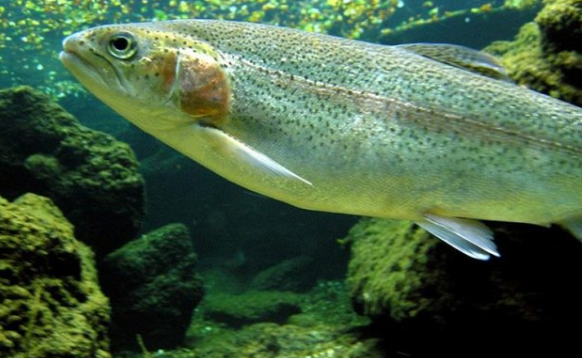
With support from USDA's National Institute of Food and Agriculture, the University of Pennsylvania's School of Veterinary Medicine scientists have discovered, contrary to earlier belief, that fish develop an antibody response in similar structures located in the spleen. J.Oriol Sunyer, professor of immunology at Penn Vet, said this finding is significant because scientists now know how and where antibody responses are produced in these economically important fish. This fundamental understanding will result in vaccines that better activate the fish immune system, hopefully providing stronger protection against a myriad of diseases.
“We predict that our findings will lead to the development of more effective adjuvants and vaccines for teleost fish,” Sunyer said. “In turn, this will minimize disease-related losses in fish farms, making aquaculture a significantly more economically robust and profitable industry. Thus, the return on investment of this research is potentially enormous.

Only a handful of fish vaccines produce highly protective responses against diseases. A major problem that has thwarted the generation of more effective fish vaccines has been the lack of knowledge on how and where antibody responses are induced in fish. Thus, these findings significantly close this knowledge gap, and will now allow the development of more effective vaccines for fish.
“In turn, this will reduce fish mortalities in fish farms, which will make fish farms more cost-effective, and will lead to reduced prices of farmed fish, making farmed fish more affordable for the general population,” Sunyer said. “This will positively impact the overall health of the population as fish represent a healthier and sometimes less expensive source of protein when compared to other protein sources, including red meat.”
Cre: Hatchery Feed Management
Ngày đăng : 28/02/2024
1743 View


Other Articles
Intensifying El Niño Effect: Climate Change Risks Threaten the Global Shrimp Supply Chain
Evaluating Gaps in the Circular Economy Value Chain of the Shrimp Industry
A Comprehensive Overview of the Vietnamese Shrimp Industry
CA MAU ACCELERATES MARINE AQUACULTURE DEVELOPMENT FROM 2026 TO 2030, WITH A VISION TO 2045
VIETNAM’S SHRIMP INDUSTRY: FROM RECORD EXPORTS TO THE RACE FOR EFFICIENCY AND VALUE
Why Did a Customer Travel from Vinh Long to Ho Chi Minh City to Buy AQUA MINA PVC Knife Gate Valve
Green & Digital Transformation: A New Eco-Cycle for Shrimp-Rice Farming
High-Tech Shrimp Farming: A Double-Edged Sword
Why are PVC knife gate valves preferred for bottom drain pipes in shrimp and fish ponds?
EU’s New Packaging Life Cycle Regulations: What Should Seafood Businesses Prepare For?
Wild Shrimp Harvesting Faces Challenges in Supply and Sustainability
Minh Phú Invests in Production Expansion and Accelerates Automation in the Shrimp Industry










.jpg)