


Scientists develop green alternative for treating Streptococcus iniae in hybrid striped bass
Scientists at the United States Department of Agriculture (USDA)'s Agricultural Research Service (ARS) developed a green antibiotic alternative to treat the deadly pathogen Streptococcus iniae in hybrid striped bass, according to a recent study.
S.iniae is the causative agent of streptococcosis, a disease prevalent in aquaculture and causes a worldwide economic loss of USD 150 million annually. Disease outbreaks can bankrupt fish farms and put farmers at risk of getting the disease when handling infected fish.
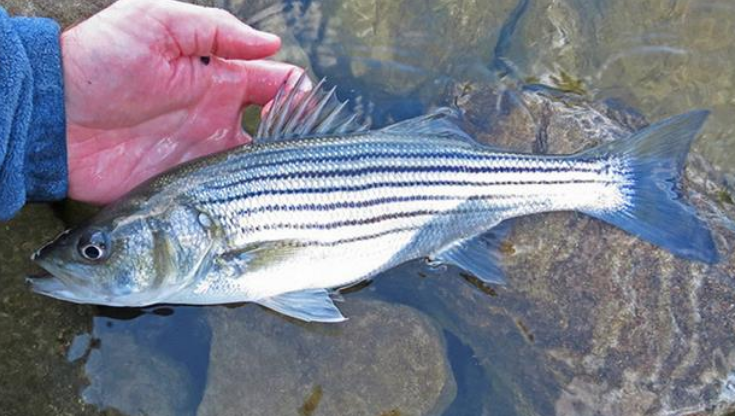
Current vaccines provide only short-term protection for S.iniae, and fish farmers more often rely on antibiotics to treat the disease. ARS scientists aimed to develop a natural treatment since antimicrobial resistance is a major concern for aquaculture farmers when treating bacterial diseases.
“Together with collaborators, we developed a novel antimicrobial protein and treatment regimen, that specifically kills only Streptococcus bacteria, and does not leave any chemical residues in the environment, said Michael Deshotel, research microbiologist at the Harry K.Dupree Stuttgart National Aquaculture Research Center in Stuttgart, Arkansas. “According to our study's results, this protein effectively cures S.iniae infections in hybrid striped bass.”
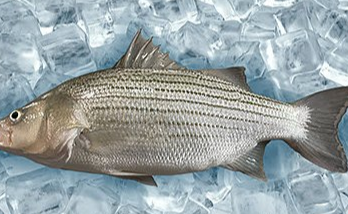
According to Deshotel, the protein, known as ClyX-2, showed a 95% survival rate for the fish in the treatment groups in comparison to the 5% survival rate of fish in the control groups during the study. The results showed that the protein was statistically as effective at treating S.iniae as antibiotic treatments like carbenicillin (85% cure rate).
In the future, Deshotel and the researchers plan to study how to treat water to prevent diseases caused by s.iniae before they can infect fish.
The recent study, published in Fish & Shellfish Immunology, was conducted in partnership with the USDA-ARS and Daniel Nelson from the University of Maryland's Department of Veterinary Medicine.
Cre: Hatchery Feed Management
Ngày đăng : 29/02/2024
1996 View


Other Articles
Intensifying El Niño Effect: Climate Change Risks Threaten the Global Shrimp Supply Chain
Evaluating Gaps in the Circular Economy Value Chain of the Shrimp Industry
A Comprehensive Overview of the Vietnamese Shrimp Industry
CA MAU ACCELERATES MARINE AQUACULTURE DEVELOPMENT FROM 2026 TO 2030, WITH A VISION TO 2045
VIETNAM’S SHRIMP INDUSTRY: FROM RECORD EXPORTS TO THE RACE FOR EFFICIENCY AND VALUE
Why Did a Customer Travel from Vinh Long to Ho Chi Minh City to Buy AQUA MINA PVC Knife Gate Valve
Green & Digital Transformation: A New Eco-Cycle for Shrimp-Rice Farming
High-Tech Shrimp Farming: A Double-Edged Sword
Why are PVC knife gate valves preferred for bottom drain pipes in shrimp and fish ponds?
EU’s New Packaging Life Cycle Regulations: What Should Seafood Businesses Prepare For?
Wild Shrimp Harvesting Faces Challenges in Supply and Sustainability
Minh Phú Invests in Production Expansion and Accelerates Automation in the Shrimp Industry




.jpg)