



7 Reasons to Include Krill in Shrimp Feed
Enhanced growth
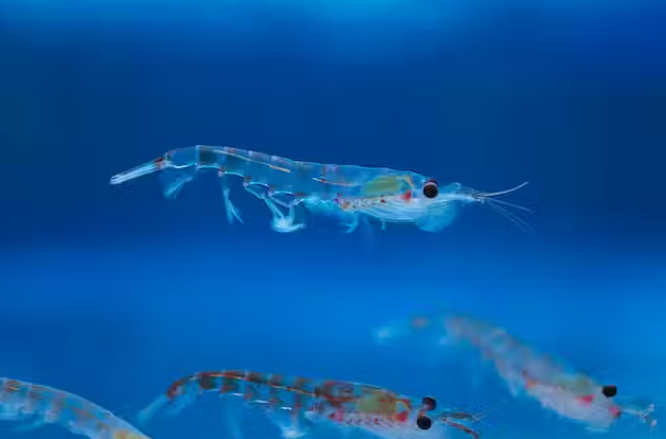
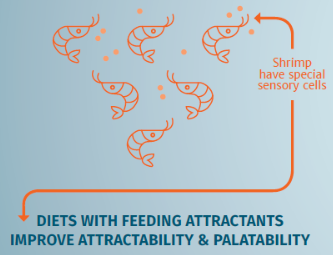
Inclusion of krill in shrimp feed tends to increase feed intake. Krill consist of different feeding stimulants such as nucleotides, water soluble amino acids and TMAO (Trimethylamine N-oxide). This increases both the attractability and palatability of the feed, making the shrimp eat more pellets and eat for a longer period of time. This leads to enhanced growth also during more stressful times for the shrimp.
Increased stress tolerance
Most omega-3s in krill are bound together in phospholipids. Phospholipids are important to build flexible cells, allowing them to tolerate stress better. Phospholipids ensure that sufficient energy is stored and fats can be mobilized for transport to tissues, particularly important to overcome stressful environmental changes such as low oxygen concentration, molting, rapidly changing water temperature or salinity.
Boosted survival rates
A beneficial component in krill is the strong and natural antioxidant astaxanthin. In addition krill has beneficial omega-3 phospholipids. When shrimp feed contains krill, it has an optimal fatty acid balance of omega-3 to omega-6 fatty acids, which is important for reducing inflammation in shrimp. A strong immune system is the basis for good health, enhanced disease resistance and boosted survival rates.
Increased pigmentation
End consumers prefer a healthy looking and pink colored shrimp. In order to receive this, astaxanthin needs to be included in the diet. Krill contains high levels of natural astaxanthin that helps pigmentation.
Improved flavor and texture
Consumer studies have shown that shrimps fed with krill are preferred over other shrimps. Also a higher percentage of EPA and DHA in the shrimp promote significantly higher tail fatty acid profile. Consumer preference has been found when compared color and flavor attributes to fish oil fed shrimp.
Reduced costs
Krill enables similar or improved performance at lower cost through replacement of other costly ingredients such as fish meal, fish oil, phospholipids and cholesterol. By reducing the amount of fish meal and other costly ingredients, with no effect on shrimp survival rates or final body weight, krill meal’s proven ability to improve feed efficiency can be very beneficial for aquaculture.
Sustainable feed
The Antarctic krill fishery is one of the world’s most sustainable fisheries. Aker BioMarine is specifically known for near-zero by-catch, fully transparent operations and Marine Stewardship Council (MSC) certification, the highest sustainability standard for fisheries worldwide. Furthermore, the krill fishery received an ‘A’ rating from the Sustainable Fisheries Partnership as the only reduction fishery in the world that is in ‘very good’ condition.
Cre: QURILL Aqua
Ngày đăng : 01/06/2024
2046 View


Other Articles
Ca Mau, Can Tho and An Giang Play a Leading Role in Vietnam’s Shrimp Industry
Protecting rice-shrimp yields against environmental fluctuations caused by prolonged rain
AQUA MINA Turbo Blower: Quiet, Energy-Efficient Air Supply for Aquaculture Ponds
AQUA MINA has accompanied the experimental tank system project at Can Tho University from its very early days
AQUA MINA AMONG 20 OUTSTANDING PRESENTATIONS AT THE WORKSHOP ON APPLYING SCIENCE AND TECHNOLOGY TO IMPROVE THE QUALITY OF VIETNAM’S AQUATIC PRODUCTS
Vietnam’s Shrimp Farming Industry Enters the High-Tech Race
The U.S. market relies heavily on imported shrimp to bridge its domestic supply gap
The 2028 supply crisis: The shrimp industry is projected to face a 400,000-ton material shortage
High profits from high-tech shrimp farming come with persistent risks
Intensifying El Niño Effect: Climate Change Risks Threaten the Global Shrimp Supply Chain
Evaluating Gaps in the Circular Economy Value Chain of the Shrimp Industry
A Comprehensive Overview of the Vietnamese Shrimp Industry


.jpg)