




Aqua Mina: 10 Years Alongside Vietnam’s Shrimp Farmers — Leading the Turbo Blower Trend in 2026
29 January 2026 860 View
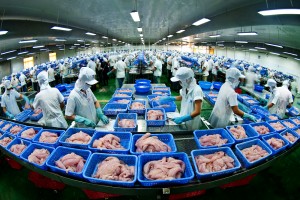
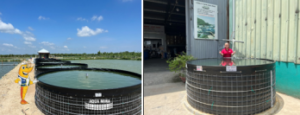
Through Aqua Mina’s study visits and field trips across multiple countries in 2025, we have identified a sustainable path forward for Vietnam’s aquaculture industry: improving management quality, setting clear operational goals, designing farms to proper standards, and then integrating advanced equipment to optimize manpower, reduce power consumption, and use water resources efficiently—without negatively impacting the surrounding environment.

_1768212051.jpg)
Double duties, tightening rules: a critical test for shrimp exports
13 January 2026 1503 View
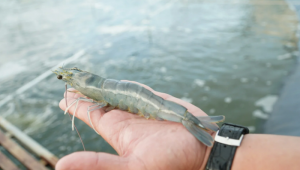
If the preliminary anti-dumping duty of 35.29 per cent imposed on certain companies is upheld in the final ruling expected in early 2026, the industry could face a major turning point.
The EU tightens regulations on frozen tuna intended for direct consumption starting in 2026
13 January 2026 1533 View
Vietnamese shrimp and catfish choose a sustainable path in global competition
03 January 2026 1639 View
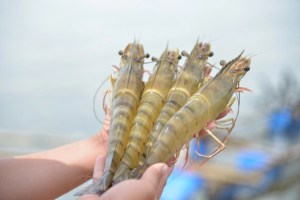
Amidst fierce competition, Vietnamese shrimp and pangasius fish remain pillars of seafood exports, affirming their position through quality and enduring adaptability.
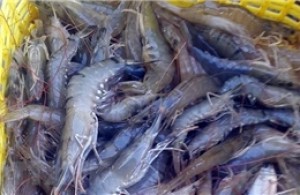
End-of-Season Shrimp Prices Reach Record Highs
02 January 2026 1493 View
At present, the price of whiteleg shrimp in Dong Thap Province is rising sharply toward the end of the production season, bringing optimism to local farmers.
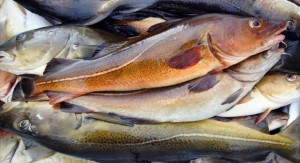
Norway – Russia Reach Barents Sea Fisheries Agreement for 2026
02 January 2026 1561 View
The Norwegian government stated that Norway and Russia have finalized a fisheries agreement for 2026 aimed at ensuring the sustainable management of aquatic resources in the Barents Sea, a region of key importance to Arctic fisheries.
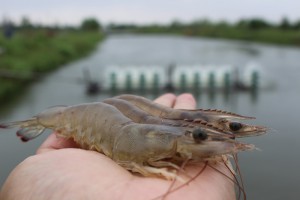
Cà Mau strengthens traceability to enhance the competitiveness of the shrimp industry.
29 December 2025 1571 View
In the context of deep integration into free trade agreements (FTAs), traceability and certificates of origin (C/O) have become a strategic tool enabling Cà Mau Province to transform its export potential into a clear competitive advantage in the international market.
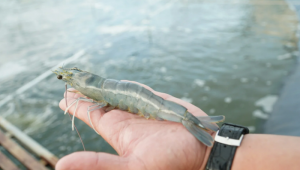
Cold stress: Effects on the plasma characteristics of whiteleg shrimp.
27 December 2025 1652 View
Low water temperature is a major stress factor in the culture of whiteleg shrimp (Penaeus vannamei), leading to immune suppression and physiological disorders. Shrimp stop feeding at temperatures below 18°C and may die when the temperature drops below 12°C. Understanding the molecular
A new breakthrough in the prevention of diseases caused by the microsporidian parasite EHP in shrimp farming
27 December 2025 1734 View
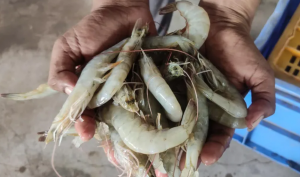
Microsporidian parasite Enterocytozoon hepatopenaei (EHP) began to appear and spread in Vietnam in 2016. Although EHP does not cause mass mortality, it directly affects shrimp growth rates, causing slow growth, prolonging the culture period,
Vietnam’s shrimp export outlook in the first quarter of 2026 continues to face heavy pressure from tariffs.
24 December 2025 1737 View
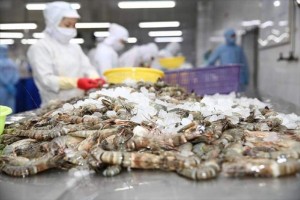
According to the Vietnam Association of Seafood Exporters and Producers (VASEP), the risk of anti-dumping tariffs is the factor with the greatest impact on the market outlook.
New England’s shrimp fishery to shut down for the long haul after years of decline
24 December 2025 1524 View
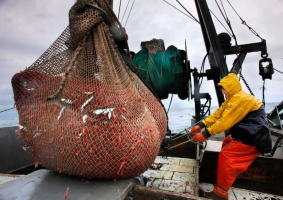
PORTLAND, Maine (AP) — Regulators voted Thursday to extend a shutdown preventing New England fishermen from catching shrimp, a historic industry that has recently fallen victim to warming oceans.
Crab exports to the United States account for more than 80%.
24 December 2025 1522 View
In the first 11 months of 2025, Vietnam’s crab exports showed signs of growth, but the overall picture still indicates a very high level of concentration in the U.S. market.

Thailand sets a target to increase shrimp production to 400,000 tons by 2026.
24 December 2025 1697 View
Thailand’s shrimp industry is calling on the government to turn the sector recovery plan into a “National Agenda Program”, with the expectation of significantly boosting production and seizing major opportunities in the U.S. market by 2026.
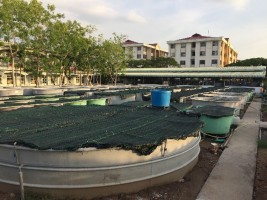
CTU-RAS: Recirculating Shrimp Farming for Sustainable Development
20 December 2025 1608 View
(TSVN) – The CTU-RAS model (integrating super-intensive whiteleg shrimp farming in a multi-species recirculating system) is a sustainable aquaculture solution that applies a closed-loop water recirculation technology to reuse water, reduce waste and minimize environmental impacts.
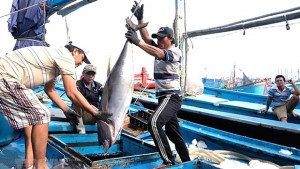
Vietnamese aquatic products reach new markets
20 December 2025 1504 View
Exporters in Vietnam are expanding into new markets with new aquatic product categories, helping the sector overcome global market volatility and achieve unprecedented growth in 2025.

Global Shrimp Forum: Global shrimp trade is reshaping
12 December 2025 1492 View
The rebalancing of global shrimp trade was already in motion before tariffs, which are now accelerating rather than driving the shift, according to Willem van der Pijl.
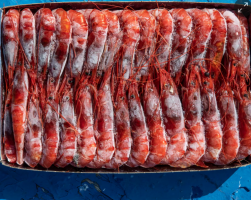
China’s Import Value Up 10%, Vietnamese Shrimp Remains Among Leading Suppliers
12 December 2025 2013 View
According to data from China Customs, as of the end of October 2025, China’s total shrimp import value reached approximately USD 4.3 billion, up 10% year-on-year, while import volume increased by only 1%. This indicates that Chinese consumers are willing to pay higher prices for shrimp products, leading to an increase in the average selling price.







.jpg)