



India's marine product exports rise 16% as new markets offset US dip
According to data from the Ministry of Commerce, India’s total exports of goods and services reached USD 491.8 billion, up 4.84% compared to the same period of the previous fiscal year.
A key growth driver came from the non-oil sector. In the first seven months of the fiscal year, non-oil exports reached USD 219.9 billion, an increase of 3.92% from the same period in 2024. This trend indicates that India’s export structure is expanding sustainably, with contributions from a diverse range of product groups.
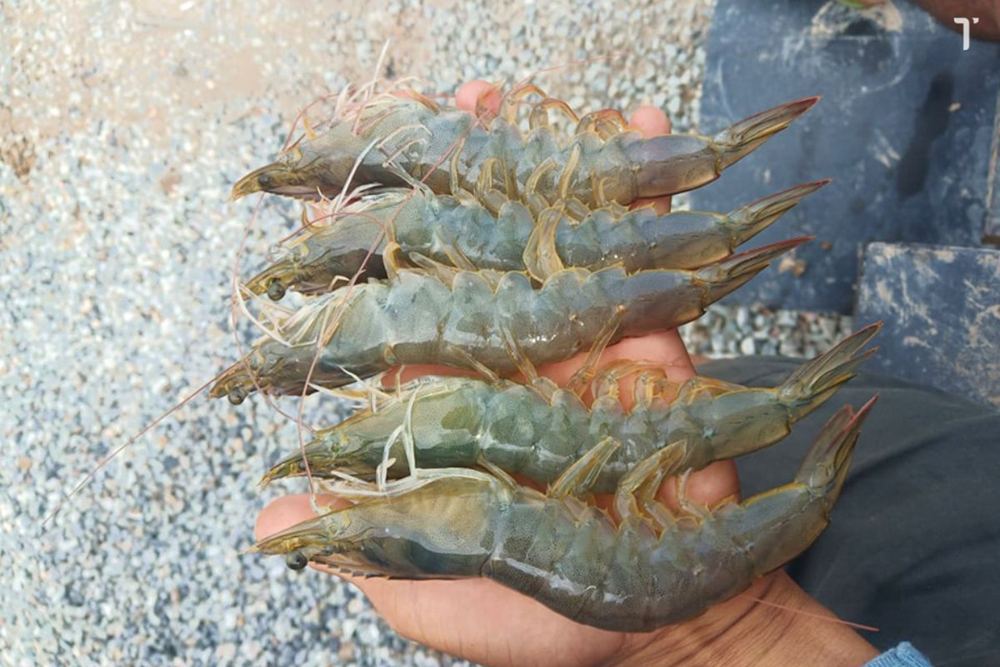
In October, although total exports of goods and services slightly declined to USD 72.89 billion from USD 73.39 billion in October 2024, several high-value industries still recorded strong gains. Electronic exports grew by 19.05% to USD 4.08 billion; meanwhile, meat, dairy, and poultry products rose by 30.87%. Seafood increased by 11.08%, cashews surged by 126.85%, and coffee grew by 10.91%, reflecting rising international demand and improved market access.
However, import growth in October was significantly stronger, reaching USD 94.7 billion compared to USD 82.44 billion in the same period last year. Notably, gold imports soared to USD 8.9 billion and silver imports to USD 2.72 billion, pushing India’s trade deficit to double, reaching USD 21.8 billion. The Ministry of Commerce noted that gold and silver alone contributed USD 10–12 billion to this widened deficit.
Despite global challenges, India’s services sector continues to show strong performance, with a growth rate of 9–10% and record export values in the first two quarters of the fiscal year. Exports to the United States remain positive despite a decline in October, particularly in sectors affected by retaliatory tariffs.
The Ministry of Commerce forecasts that India’s export outlook will remain stable in the near future thanks to the resilience of the services sector, ongoing diversification of export goods, and policies aimed at enhancing competitiveness. The growth momentum of non-oil products and the strong performance of various industries in October are expected to support India’s expanding trade trajectory for the remainder of the 2025 fiscal year.

WE WORK FOR THE SUCCESS


Ca Mau, Can Tho and An Giang Play a Leading Role in Vietnam’s Shrimp Industry
Protecting rice-shrimp yields against environmental fluctuations caused by prolonged rain
AQUA MINA Turbo Blower: Quiet, Energy-Efficient Air Supply for Aquaculture Ponds
AQUA MINA has accompanied the experimental tank system project at Can Tho University from its very early days
AQUA MINA AMONG 20 OUTSTANDING PRESENTATIONS AT THE WORKSHOP ON APPLYING SCIENCE AND TECHNOLOGY TO IMPROVE THE QUALITY OF VIETNAM’S AQUATIC PRODUCTS
Vietnam’s Shrimp Farming Industry Enters the High-Tech Race
The U.S. market relies heavily on imported shrimp to bridge its domestic supply gap
The 2028 supply crisis: The shrimp industry is projected to face a 400,000-ton material shortage
High profits from high-tech shrimp farming come with persistent risks
Intensifying El Niño Effect: Climate Change Risks Threaten the Global Shrimp Supply Chain
Evaluating Gaps in the Circular Economy Value Chain of the Shrimp Industry
A Comprehensive Overview of the Vietnamese Shrimp Industry












.jpg)
