


Exported Whiteleg Shrimp: Quality Proven from the Farming Source Viet Nam
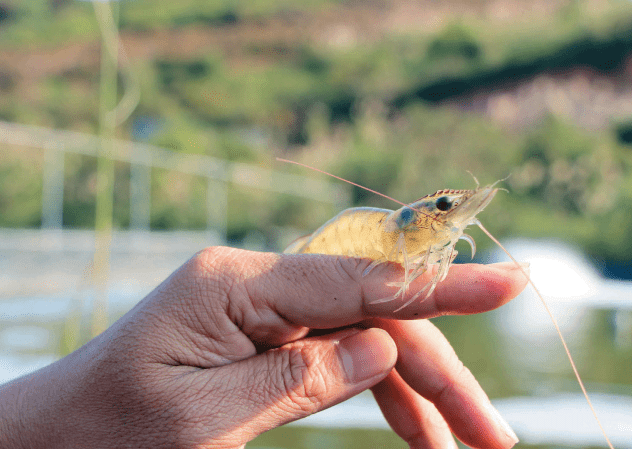
In Vietnam, whiteleg shrimp has become one of the most important farming species in the aquaculture industry, serving both domestic consumption and export markets. With stable production and the ability to meet different market segments, this product has increasingly contributed to strengthening Vietnam’s position in the global seafood industry.
However, when entering demanding markets such as the United States, the EU, and Japan, product quality is not only evaluated at the final processing stage. It begins from the farming area, broodstock quality, farming practices, and the overall control system across the entire production chain. Therefore, traceability has become a key factor in helping Vietnamese whiteleg shrimp maintain its credibility in export markets.
1. Traceability – A Foundation for Enhancing the Value of Exported Whiteleg Shrimp
- For exported shrimp products, controlling seed quality, farming conditions, and production processes is an essential requirement. A clear traceability system allows businesses to prove transparent product origins, meet food safety standards, and reduce risks during distribution in international markets.
- Traceability is not simply about identifying where the shrimp was farmed. It covers the entire journey from the pond, harvesting, preliminary handling, processing, and packaging to the final consumer. This helps businesses manage quality more effectively, respond quickly when issues occur, and build trust with importers.
- Transparent product information: Data on farming areas, production processes, ingredients, and processing methods are properly recorded, allowing buyers to verify product quality more easily.
- Reduced risk of fraud: A strict traceability system helps limit misinformation, prevent origin fraud, and improve the reliability of products in export markets.
2. Traceability System in the Export Supply Chain of Whiteleg Shrimp
For exported whiteleg shrimp, traceability is not simply about identifying where the product comes from. It is a process of controlling information throughout the entire supply chain. This system includes tracking shrimp from farming areas to processing factories, while also tracing back key data such as seed quality, feed, farming practices, harvesting, and transportation.
In practice, processing companies need to clearly understand the source of their raw materials, while farmers and suppliers also need transparent information about buyers, processors, and exporters. When data is properly recorded through a modern system, especially a digital platform, quality inspection, data verification, and product management become faster, more accurate, and more reliable.
3. Opportunities and Challenges in Applying Traceability to Exported Whiteleg Shrimp
A. Opportunities
- Strengthening market trust: When buyers can clearly verify product origins, confidence in Vietnamese whiteleg shrimp increases. This helps improve brand value and supports stronger market acceptance internationally.
- Meeting stricter export standards: Major markets are placing greater emphasis on food safety, supply chain transparency, and responsible production. A traceability system helps businesses become more proactive when entering demanding export markets.
B. Challenges
- Complex data management: The shrimp production chain involves many stages, from farms and collection agents to processing plants and exporters. Collecting and synchronizing data from multiple sources requires a large, user-friendly, and well-connected management system.
- The need for technology investment: Effective traceability requires solutions such as QR codes, management software, IoT, big data, or other technologies that support production control. This is a necessary investment, but not all businesses can implement it easily.
- Coordination from regulatory authorities: In addition to business efforts, government policies and regulations play an important role. A clear management framework will help traceability systems operate more consistently, effectively, and sustainably.
As global markets place increasing importance on quality and transparency, traceability has become an essential factor for exported whiteleg shrimp. It is not only a tool for better product management but also a foundation for improving credibility, meeting customer requirements, and strengthening the competitiveness of Vietnam’s shrimp industry.
AQUA MINA CO., LTD

WE WORK FOR THE SUCCESS


Ca Mau, Can Tho and An Giang Play a Leading Role in Vietnam’s Shrimp Industry
Protecting rice-shrimp yields against environmental fluctuations caused by prolonged rain
AQUA MINA Turbo Blower: Quiet, Energy-Efficient Air Supply for Aquaculture Ponds
AQUA MINA has accompanied the experimental tank system project at Can Tho University from its very early days
AQUA MINA AMONG 20 OUTSTANDING PRESENTATIONS AT THE WORKSHOP ON APPLYING SCIENCE AND TECHNOLOGY TO IMPROVE THE QUALITY OF VIETNAM’S AQUATIC PRODUCTS
Vietnam’s Shrimp Farming Industry Enters the High-Tech Race
The U.S. market relies heavily on imported shrimp to bridge its domestic supply gap
The 2028 supply crisis: The shrimp industry is projected to face a 400,000-ton material shortage
High profits from high-tech shrimp farming come with persistent risks
Intensifying El Niño Effect: Climate Change Risks Threaten the Global Shrimp Supply Chain
Evaluating Gaps in the Circular Economy Value Chain of the Shrimp Industry
A Comprehensive Overview of the Vietnamese Shrimp Industry




.jpg)