

PREVENTING AND TREATING ACUTE HEPATOPANCREATIC NECROSIS DISEASE (AHPND) IN WHITELEG SHRIMP
Causes of EMS
Bacterial Agent: EMS is caused by specific strains of Vibrio parahaemolyticus, which carry plasmids producing toxins that damage the shrimp's hepatopancreas (digestive gland).
Environmental Stress: Poor water quality, high stocking density, and unsuitable pond conditions can exacerbate the disease.
Contaminated Seed: Infected shrimp postlarvae (PL) can introduce the disease into ponds.
Symptoms of EMS
Behavioral Signs:
Shrimp become lethargic and swim near the pond edges.
Sudden and large-scale mortalities in the early grow-out phase.
Physical Signs:
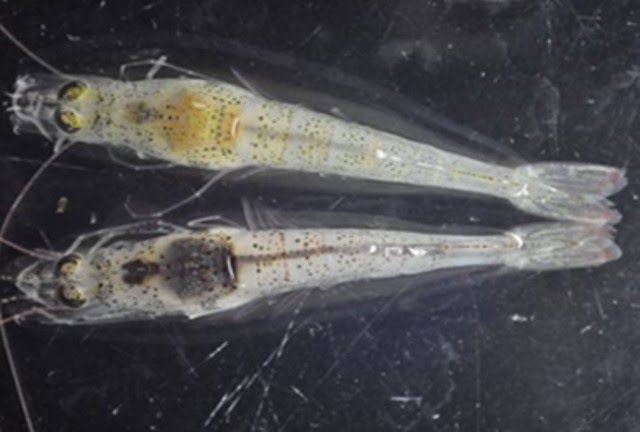
Shrunken and pale hepatopancreas.
Hepatopancreas with black or brown streaks (necrosis).
Empty stomach and intestines, often associated with soft or loose shells.
Slow growth and uneven size distribution.
Mortality:
Death typically begins 10–15 days after stocking and can reach up to 100% in severe outbreaks.
Prevention Measures
Seed Selection:
Purchase certified disease-free shrimp postlarvae.
Use PCR screening to detect Vibrio parahaemolyticus in hatchery stock.
Pond Preparation:
Remove sludge and organic matter from pond bottoms.
Apply lime and biosecurity measures to stabilize pond pH and alkalinity.
Disinfect water to eliminate pathogens before stocking.
Stocking Practices:
Stock at optimal densities to reduce stress.
Acclimate postlarvae to pond conditions gradually.
Water Quality Management:
Maintain stable pH (7.5–8.5), alkalinity, and dissolved oxygen levels.
Avoid sudden water quality fluctuations, such as salinity and temperature changes.
Regularly monitor ammonia and nitrite levels.
Probiotics and Feed:
Use probiotics to suppress harmful bacteria in the pond.
Provide high-quality, easily digestible feed to strengthen shrimp immunity.
Avoid overfeeding to prevent organic waste buildup.
Biosecurity:
Prevent entry of disease carriers, including wild crustaceans and birds.
Regularly clean and disinfect farming equipment and pond surroundings.
Treatment Approaches
Early Intervention: At the first signs of EMS, apply probiotics and water treatment solutions to reduce bacterial load.
Supplemental Feeding: Use feed enriched with immune-boosting additives, such as vitamins C and E, as well as beta-glucans.
Aeration: Ensure continuous and sufficient aeration to maintain oxygen levels and reduce stress.
By adopting stringent biosecurity measures and proactive management, shrimp farmers can reduce the risks associated with EMS and improve survival rates in their aquaculture systems.
Contact AQUA MINA for consultation and supply of aquaculture round tanks and aquaculture equipment for high-tech shrimp farming.
- Address: 685 National Highway 1A, Binh Hung Hoa Ward, Binh Tan District, Ho Chi Minh City
- Phone: 1800 6071 (Toll-free hotline)
- Email: sales@aquamina.com.vn or oversea@aquamina.com.vn
Aqua Mina's distributor in Japan:
REX INDUSTRIES CO., LTD
- Address: 1-9-3 Hishiya-Higashi, Higashi-Osaka 578-0948 JAPAN
- Email: kimakubo@rexind.co.jp
- Phone: +81-(0)72-961-9893
- Website: http://www.rexind.co.jp/e/
WE WORK FOR YOUR SUCCESS!
Ngày đăng : 27/12/2024
2429 View


Other Articles
Ca Mau, Can Tho and An Giang Play a Leading Role in Vietnam’s Shrimp Industry
Protecting rice-shrimp yields against environmental fluctuations caused by prolonged rain
AQUA MINA Turbo Blower: Quiet, Energy-Efficient Air Supply for Aquaculture Ponds
AQUA MINA has accompanied the experimental tank system project at Can Tho University from its very early days
AQUA MINA AMONG 20 OUTSTANDING PRESENTATIONS AT THE WORKSHOP ON APPLYING SCIENCE AND TECHNOLOGY TO IMPROVE THE QUALITY OF VIETNAM’S AQUATIC PRODUCTS
Vietnam’s Shrimp Farming Industry Enters the High-Tech Race
The U.S. market relies heavily on imported shrimp to bridge its domestic supply gap
The 2028 supply crisis: The shrimp industry is projected to face a 400,000-ton material shortage
High profits from high-tech shrimp farming come with persistent risks
Intensifying El Niño Effect: Climate Change Risks Threaten the Global Shrimp Supply Chain
Evaluating Gaps in the Circular Economy Value Chain of the Shrimp Industry
A Comprehensive Overview of the Vietnamese Shrimp Industry


.jpg)