

Distinguishing Between Powder and Liquid Probiotics in Aquaculture
The Role of Probiotics in Aquaculture
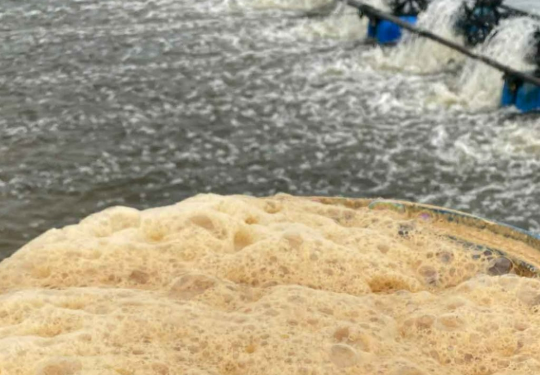
Probiotics play a crucial role in aquaculture due to their practical benefits. Firstly, they help improve water quality by breaking down excess organic matter, uneaten feed, feces, and dead plankton. This reduces the formation of toxic compounds such as ammonia (NH₃), nitrite (NO₂⁻), and hydrogen sulfide (H₂S).
Some microbial strains also inhibit the growth of pathogens through competitive exclusion or by producing natural antibiotics. Nutritionally, probiotics aid digestion by breaking down feed into more absorbable forms, improving feed efficiency, reducing FCR, and limiting digestive issues like white feces or bloating.
Regular use of probiotics enhances immunity and reduces stress in aquatic animals when environmental conditions change. Ultimately, probiotics are a biological, eco-friendly solution that minimizes chemical and antibiotic use, contributing to sustainable, safe, and efficient aquaculture models.
1. Powder Probiotics
1.1. Characteristics
Dry form, produced by spray-drying or freeze-drying to preserve microorganisms in a dormant state.
Color varies (white, gray, pale yellow) depending on the strain and carrier material (starch, clay, minerals, etc.).
1.2. Advantages
Long shelf life (12–24 months) with proper storage.
High microbial density, easy to transport, and cost-effective to store.
Can be activated before use to enhance performance.
Available in both powder and liquid forms to suit farmers' needs.
1.3. Disadvantages
Requires activation (fermentation for 8–24 hours) for microbes to “wake up” and work effectively.
Ineffective if activation is done improperly.
2. Liquid Probiotics
2.1. Characteristics
Liquid form containing active or semi-active microorganisms.
Packaged in bottles or cans, with a characteristic (fermented, slightly sour) odor.
2.2. Advantages
Ready to use, no activation needed, convenient for farmers.
Microbes become active immediately upon pond application.
2.3. Disadvantages
Shorter shelf life (3–6 months), sensitive to improper storage.
May degrade if exposed to high temperatures or direct sunlight.
Typically lower microbial density than powder form.
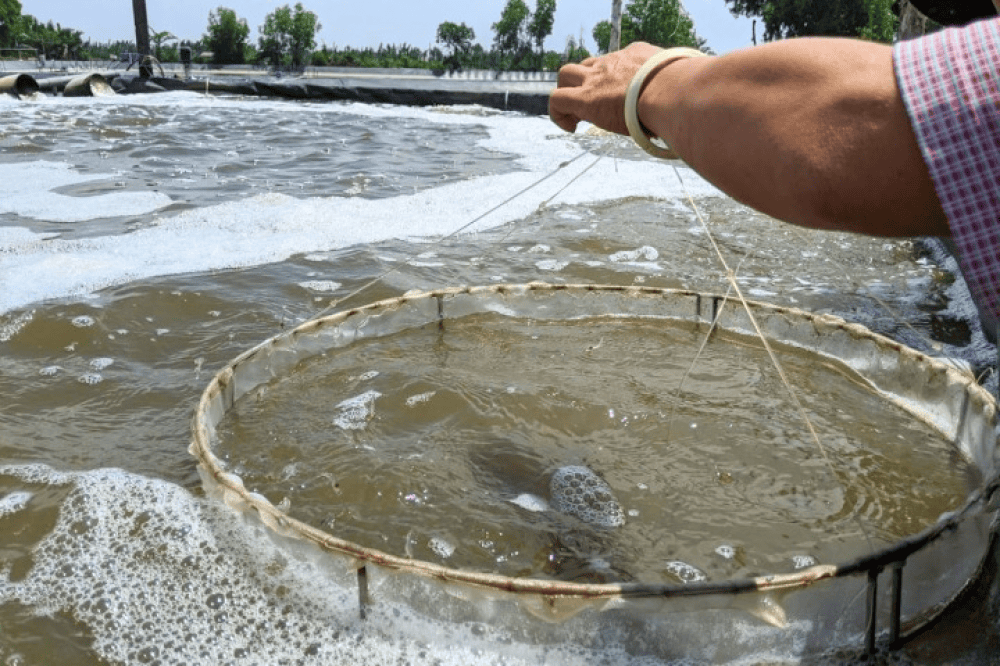
Which One Should You Choose?
Choosing between powder or liquid probiotics depends on usage needs, pond size, and technical conditions of each farm.
If you have time and good fermentation practices, powder probiotics offer cost savings and higher microbial density.
If you need to treat pond water quickly and can’t wait for activation, liquid probiotics are the more convenient option.
Regardless of form, correct usage is key to probiotic effectiveness.
Important Notes When Using Probiotics
Do not use probiotics together with disinfectants, as they can kill the microbes.
Store properly:
Powder: Keep in a dry, cool place.
Liquid: Avoid sunlight, refrigerate if possible.
Use the correct dosage as recommended by the manufacturer.
Whether in powder or liquid form, probiotics offer significant benefits in aquaculture. Understanding the differences helps farmers manage their pond environment more proactively, improving economic outcomes and reducing disease risks.
Source: Tép Bạc
Aqua Mina's distributor in Japan: REX INDUSTRIES CO., LTD
- Address: 1-9-3 Hishiya-Higashi, Higashi-Osaka 578-0948 JAPAN
- Email: kimakubo@rexind.co.jp
- Phone: +81-(0)72-961-9893
- Website: http://www.rexind.co.jp/e/
WE WORK FOR YOUR SUCCESS!
Ngày đăng : 17/06/2025
2303 View


Other Articles
Ca Mau, Can Tho and An Giang Play a Leading Role in Vietnam’s Shrimp Industry
Protecting rice-shrimp yields against environmental fluctuations caused by prolonged rain
AQUA MINA Turbo Blower: Quiet, Energy-Efficient Air Supply for Aquaculture Ponds
AQUA MINA has accompanied the experimental tank system project at Can Tho University from its very early days
AQUA MINA AMONG 20 OUTSTANDING PRESENTATIONS AT THE WORKSHOP ON APPLYING SCIENCE AND TECHNOLOGY TO IMPROVE THE QUALITY OF VIETNAM’S AQUATIC PRODUCTS
Vietnam’s Shrimp Farming Industry Enters the High-Tech Race
The U.S. market relies heavily on imported shrimp to bridge its domestic supply gap
The 2028 supply crisis: The shrimp industry is projected to face a 400,000-ton material shortage
High profits from high-tech shrimp farming come with persistent risks
Intensifying El Niño Effect: Climate Change Risks Threaten the Global Shrimp Supply Chain
Evaluating Gaps in the Circular Economy Value Chain of the Shrimp Industry
A Comprehensive Overview of the Vietnamese Shrimp Industry


.jpg)