


The Positive Impacts of Shrimp Farms for the Environment
Positive Impacts of Shrimp Farms
1. Improve the local economy
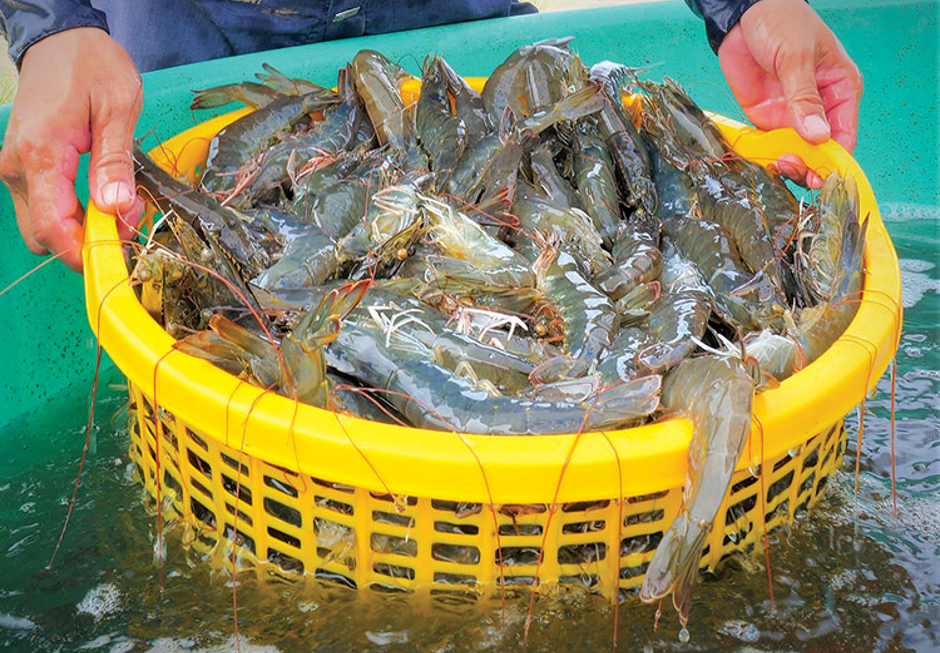
One of the positive impacts of shrimp farms for the surrounding environment is improving the economy of local communities. The establishment of shrimp farms opens up employment such as being farm workers, technicians, feeders, and other related tasks. This increase in job opportunities helps reduce unemployment rates, improving the welfare of the local population.
Another indirect impact of shrimp farms towards the local economy comes from farming activities. Fulfilling the needs of farm workers will open up the opportunity for establishing small restaurants, grocery stores, stores for cultivation supplies, and many more.
2. Increase domestic food production with quality products
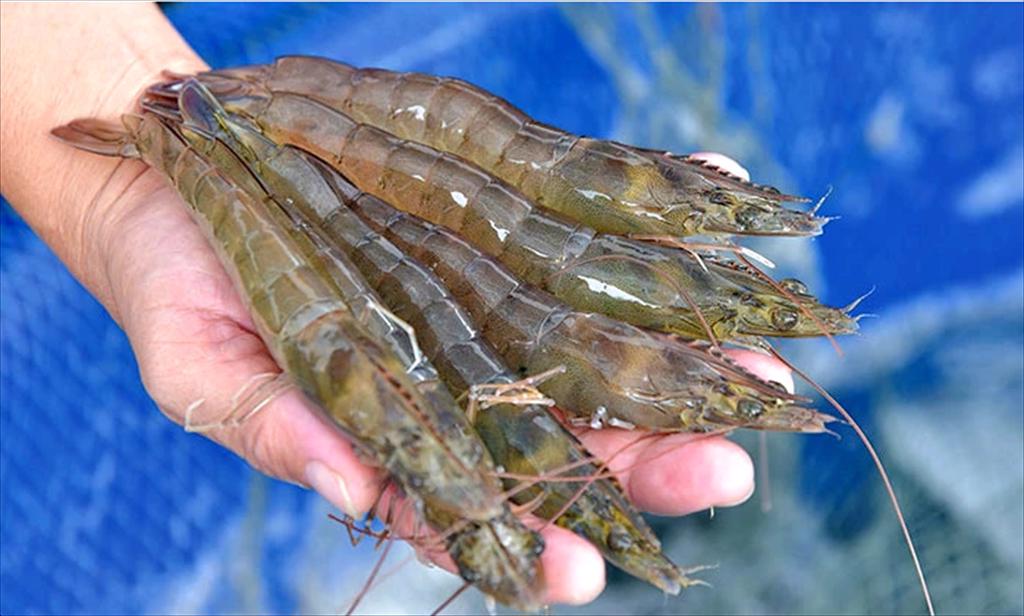
Another positive impact of shrimp farming is its contribution to the increase in production of domestic food produce. The shrimp industry is one of the key sectors of Indonesia’s fisheries, with the country ranking among the top five shrimp producers in the global market. Shrimp is a valuable food source that provides essential animal protein for the population.
3. Opens up the opportunity for ecosystem restoration
Conventional shrimp farming activities can generate cultivation wastewater that is rich in nutrients. This wastewater actually benefits plants, thus it can be used for seaweed cultivation, run into mangroves, or precipitated to form agricultural fertilizers. This helps ensure that the wastewater disposed of into rivers or seas fulfills environmental standards.
One example is the sustainable farming initiative implemented by JALA at its pilot farm located in the mangrove area in Lalombi, Central Sulawesi. Through this initiative, shrimp farming activities contribute to mangrove ecosystem restoration by reducing carbon footprints, conserving habitats for biodiversity, and protecting coastal communities from erosion.
Environmental Aspects to Consider when Operating Shrimp Farms
In shrimp farming, it is undeniable that waste generated from farming activities can have negative impacts on the surrounding environment. However, farmers can minimize these risks through several measures. The first step is ensuring that their farms have proper wastewater treatment systems to process cultivation wastewater so that it can be safely disposed of into the environment.
Furthermore, avoiding overfeeding can help reduce waste from cultivation activities. Feed types and amounts should be adjusted according to shrimp conditions, and feeding should be accurately monitored to prevent waste. By implementing these steps, shrimp cultivation can be carried out sustainably without compromising productivity.
Conclusion
In managing shrimp farms, farmers must ensure that their cultivation activities bring positive impacts for the surrounding environment, striving to minimize the negative. By paying attention to sustainability aspects, farmers can contribute to a cultivation that is not just productive, but also environmentally friendly.
Cre: jala.tech
Aqua Mina's distributor in Japan: REX INDUSTRIES CO., LTD
- Address: 1-9-3 Hishiya-Higashi, Higashi-Osaka 578-0948 JAPAN
- Email: kimakubo@rexind.co.jp
- Phone: +81-(0)72-961-9893
- Website: http://www.rexind.co.jp/e/
WE WORK FOR YOUR SUCCESS!
Ngày đăng : 25/03/2025
2477 View


Other Articles
Ca Mau, Can Tho and An Giang Play a Leading Role in Vietnam’s Shrimp Industry
Protecting rice-shrimp yields against environmental fluctuations caused by prolonged rain
AQUA MINA Turbo Blower: Quiet, Energy-Efficient Air Supply for Aquaculture Ponds
AQUA MINA has accompanied the experimental tank system project at Can Tho University from its very early days
AQUA MINA AMONG 20 OUTSTANDING PRESENTATIONS AT THE WORKSHOP ON APPLYING SCIENCE AND TECHNOLOGY TO IMPROVE THE QUALITY OF VIETNAM’S AQUATIC PRODUCTS
Vietnam’s Shrimp Farming Industry Enters the High-Tech Race
The U.S. market relies heavily on imported shrimp to bridge its domestic supply gap
The 2028 supply crisis: The shrimp industry is projected to face a 400,000-ton material shortage
High profits from high-tech shrimp farming come with persistent risks
Intensifying El Niño Effect: Climate Change Risks Threaten the Global Shrimp Supply Chain
Evaluating Gaps in the Circular Economy Value Chain of the Shrimp Industry
A Comprehensive Overview of the Vietnamese Shrimp Industry






.jpg)