

Successful Research in Producing Disease-Free Shrimp Breeding Stock
Stage 1: Postlarvae weighing 0.028 – 0.3 grams, density of 28-29 shrimp per cubic meter, duration of 25 days.
Stage 2: From 0.3 to 30 grams, density of 24-28 shrimp per cubic meter, raised for 3 months.
Stage 3: From 30 to 60 grams, density of 13 shrimp per cubic meter, raised for 3 months.
Stage 4: From 60 to 120 grams, density of 6 shrimp per cubic meter, raised for 3 months, with a maturation stage of 2 shrimp per cubic meter for 2 months.
After a total of 13 months of farming, the parent shrimp reached an average weight of 170 grams per shrimp, and initial reproduction showed a yield of 300,000 to 400,000 larvae per broodstock with a hatching rate of 79-82%. According to testing results from Regional Veterinary Agency No. 6, the quality of the postlarvae was confirmed to be disease-free.
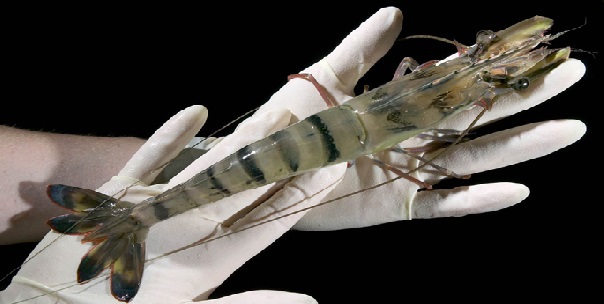
Tra Vinh province is focusing on high-tech farming of black tiger shrimp and whiteleg shrimp, ensuring a supply of clean shrimp products for export markets. However, the province currently has around 24,000 hectares of brackish and saltwater shrimp farms, with about 7,000 hectares dedicated to intensive and semi-intensive farming. The shrimp seed production within the province only meets about 60% of demand, with the remaining seeds imported from other provinces, making it difficult to control quality.
Mr. Pham Minh Truyen, Director of the Department of Agriculture and Rural Development in Tra Vinh, stated that the province plans to expand brackish and saltwater aquaculture to nearly 26,000 hectares by 2020 and around 28,000 hectares by 2030. By 2020, the demand for black tiger and whiteleg shrimp seed will exceed 11 billion.
The successful production of disease-free broodstock by the Faculty of Agriculture and Fisheries at Tra Vinh University creates favorable conditions, particularly in providing high-quality broodstock for local shrimp hatcheries to supply to farmers.
Source: bnews
Ngày đăng : 17/10/2024
2453 View


Other Articles
Ca Mau, Can Tho and An Giang Play a Leading Role in Vietnam’s Shrimp Industry
Protecting rice-shrimp yields against environmental fluctuations caused by prolonged rain
AQUA MINA Turbo Blower: Quiet, Energy-Efficient Air Supply for Aquaculture Ponds
AQUA MINA has accompanied the experimental tank system project at Can Tho University from its very early days
AQUA MINA AMONG 20 OUTSTANDING PRESENTATIONS AT THE WORKSHOP ON APPLYING SCIENCE AND TECHNOLOGY TO IMPROVE THE QUALITY OF VIETNAM’S AQUATIC PRODUCTS
Vietnam’s Shrimp Farming Industry Enters the High-Tech Race
The U.S. market relies heavily on imported shrimp to bridge its domestic supply gap
The 2028 supply crisis: The shrimp industry is projected to face a 400,000-ton material shortage
High profits from high-tech shrimp farming come with persistent risks
Intensifying El Niño Effect: Climate Change Risks Threaten the Global Shrimp Supply Chain
Evaluating Gaps in the Circular Economy Value Chain of the Shrimp Industry
A Comprehensive Overview of the Vietnamese Shrimp Industry


.jpg)