

Types of Feed Additives for Vannamei Shrimp and Their Benefits
The addition of feed additives is usually done by mixing them with the feed that will be given to the shrimp, in specific doses according to the shrimp’s age, requirements, and health status. However, some types of feed additives, when given in incorrect doses, can reduce the effectiveness of the additives or even have negative impacts on the health, growth, and survival of the shrimp.

What is a Feed Additive?
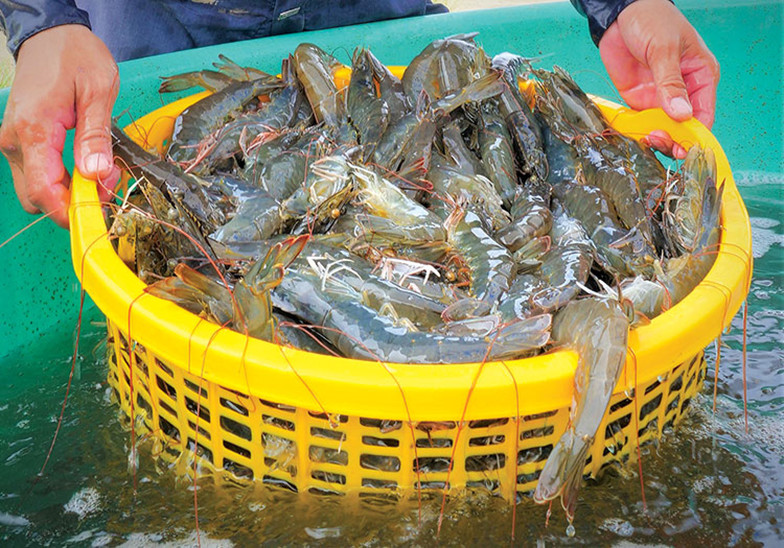
A feed additive is an additional substance or ingredient given to vannamei shrimp and other aquaculture commodities to enhance feed efficiency and optimize shrimp growth. Feed additives can include both nutritional and non-nutritional components, which are mixed into the feed.
Additionally, feed additives can play a role in improving shrimp health and helping to maintain a stable pond environment.
Types of Feed Additives
1. Probiotics
Probiotics are live microorganisms given in sufficient amounts to provide benefits to the host. As one of the feed additives for vannamei shrimp, probiotics help maintain a balance of beneficial bacteria in the shrimp’s digestive system, which positively impacts its health and immune system.
Furthermore, probiotics can enhance digestion efficiency and nutrient absorption, leading to improved vannamei shrimp growth.
2. Prebiotics
Prebiotics are substances that cannot be digested by the host but serve as food sources for beneficial microorganisms in the digestive tract. Prebiotics stimulate the growth of natural probiotic bacteria in the digestive system of vannamei shrimp.
With prebiotics in the feed, the quantity and quality of probiotic bacteria increase, which has a positive effect on shrimp health and growth performance.
3. Synbiotics
Synbiotics are a combination of probiotics and prebiotics added simultaneously to the feed of vannamei shrimp. Shrimp fed with synbiotics reportedly exhibit better digestive and immune systems and enhanced growth compared to those given only probiotics or prebiotics.
4. Enzymes
Enzymes in feed additives help break down complex feed components into simpler forms that can be easily absorbed by shrimp. Commonly used enzymes for shrimp include amylase, lipase, and protease.
Enzymes in vannamei shrimp feed improve feed efficiency, reduce nutrient waste, and enhance pond water quality. Lysozyme is an enzyme that can be added to the feed, enhancing the shrimp’s resistance to pathogenic infections.
5. Fish Oil
Fish oil contains omega-3 fatty acids crucial for vannamei shrimp growth and development. Omega-3 supports immune system strength, reduces inflammation, and boosts shrimp reproduction.
Using fish oil in feed additives improves appetite, and shrimp survival rates, and reduces stress caused by environmental changes.
6. Vitamins and Minerals
Vitamins and minerals are essential for the health and growth of vannamei shrimp. Commonly used vitamins include vitamin C, E, and B complex. Meanwhile, minerals like zinc (Zn), iron (Fe), selenium (Se), magnesium (Mg), and calcium (Ca) are also necessary in appropriate amounts. Feed additives containing vitamins and minerals address nutrient deficiencies and enhance shrimp’s resistance to diseases.
7. Amino Acids
Amino acids are protein building blocks necessary for growth and tissue repair. Some essential amino acids cannot be produced by the shrimp’s body and must be obtained from the feed. Feed additives containing amino acids ensure the availability of these essential nutrients, supporting vannamei shrimp growth and reproduction.
8. Organic Acids
Organic acids are commonly used as feed additives and preservatives to prevent feed spoilage. Some organic acids include sodium, potassium, and calcium salts. These organic acids possess antimicrobial activities against certain pathogenic bacteria like Escherichia coli, Salmonella spp., and Vibrio spp.
Benefits of Feed Additives for Vannamei Shrimp
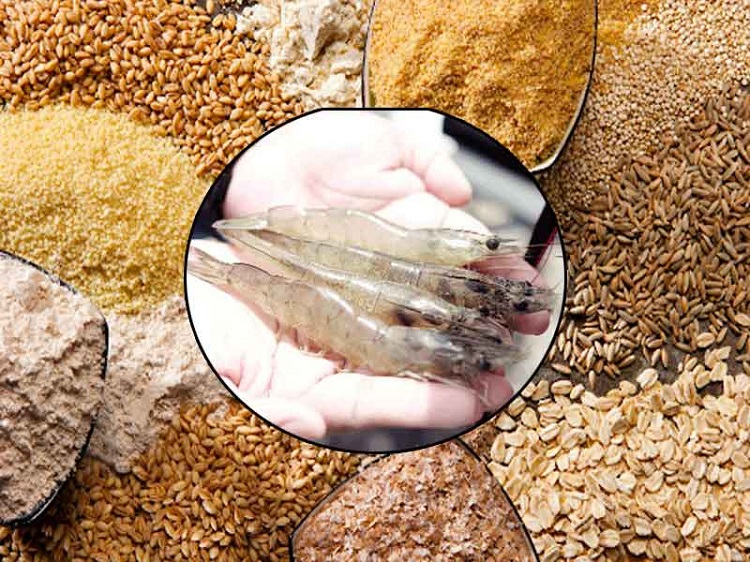
The use of feed additives in vannamei shrimp feed offers several benefits, including:
1. Improved Feed Efficiency
Feed additives containing exogenous enzymes or ingredients that enhance enzyme production in shrimp intestines aid in better digestion and nutrient absorption, reducing nutrient waste, and optimizing resource utilization.
2. Enhanced Health
Probiotics, prebiotics, synbiotics, and vitamins help maintain digestive health and the immune system of vannamei shrimp, reducing the risk of infections and diseases.
3. Increased Growth
Feed additives contribute to improved feed efficiency, allowing shrimp to grow faster and reach larger harvest sizes in a shorter period.
4. Enhanced Reproduction
Appropriate nutrients like omega-3 and amino acids can enhance and accelerate vannamei shrimp reproduction, resulting in healthy and rapid population growth.
5. Improved Water Quality
By optimizing digestion and feed utilization, the metabolic waste released is reduced, leading to better water quality in ponds and the shrimp’s environment.
Cre: delosaqua.com
Contact AQUA MINA for consultation and supply of aquaculture round tanks and aquaculture equipment for high-tech shrimp farming.
- Address: 685 National Highway 1A, Binh Hung Hoa Ward, Binh Tan District, Ho Chi Minh City
- Phone: 1800 6071 (Toll-free hotline)
- Email: sales@aquamina.com.vn or oversea@aquamina.com.vn
Aqua Mina's distributor in Japan: REX INDUSTRIES CO., LTD
- Address: 1-9-3 Hishiya-Higashi, Higashi-Osaka 578-0948 JAPAN
- Email: kimakubo@rexind.co.jp
- Phone: +81-(0)72-961-9893
- Website: http://www.rexind.co.jp/e/
WE WORK FOR YOUR SUCCESS!
Ngày đăng : 24/02/2025
4469 View


Other Articles
Ca Mau, Can Tho and An Giang Play a Leading Role in Vietnam’s Shrimp Industry
Protecting rice-shrimp yields against environmental fluctuations caused by prolonged rain
AQUA MINA Turbo Blower: Quiet, Energy-Efficient Air Supply for Aquaculture Ponds
AQUA MINA has accompanied the experimental tank system project at Can Tho University from its very early days
AQUA MINA AMONG 20 OUTSTANDING PRESENTATIONS AT THE WORKSHOP ON APPLYING SCIENCE AND TECHNOLOGY TO IMPROVE THE QUALITY OF VIETNAM’S AQUATIC PRODUCTS
Vietnam’s Shrimp Farming Industry Enters the High-Tech Race
The U.S. market relies heavily on imported shrimp to bridge its domestic supply gap
The 2028 supply crisis: The shrimp industry is projected to face a 400,000-ton material shortage
High profits from high-tech shrimp farming come with persistent risks
Intensifying El Niño Effect: Climate Change Risks Threaten the Global Shrimp Supply Chain
Evaluating Gaps in the Circular Economy Value Chain of the Shrimp Industry
A Comprehensive Overview of the Vietnamese Shrimp Industry


.jpg)