

Understanding the Types of Plankton in Shrimp Ponds
The diversity of plankton in shrimp ponds indicates a stable and favourable pond environment. However, it’s important to remember that not all plankton have a positive impact on the pond ecosystem and shrimp growth.
This article will discuss what plankton is, the various types of plankton found in shrimp ponds and their impact on water quality, as well as which types of plankton can benefit or harm shrimp ponds.
1. What Is Plankton?
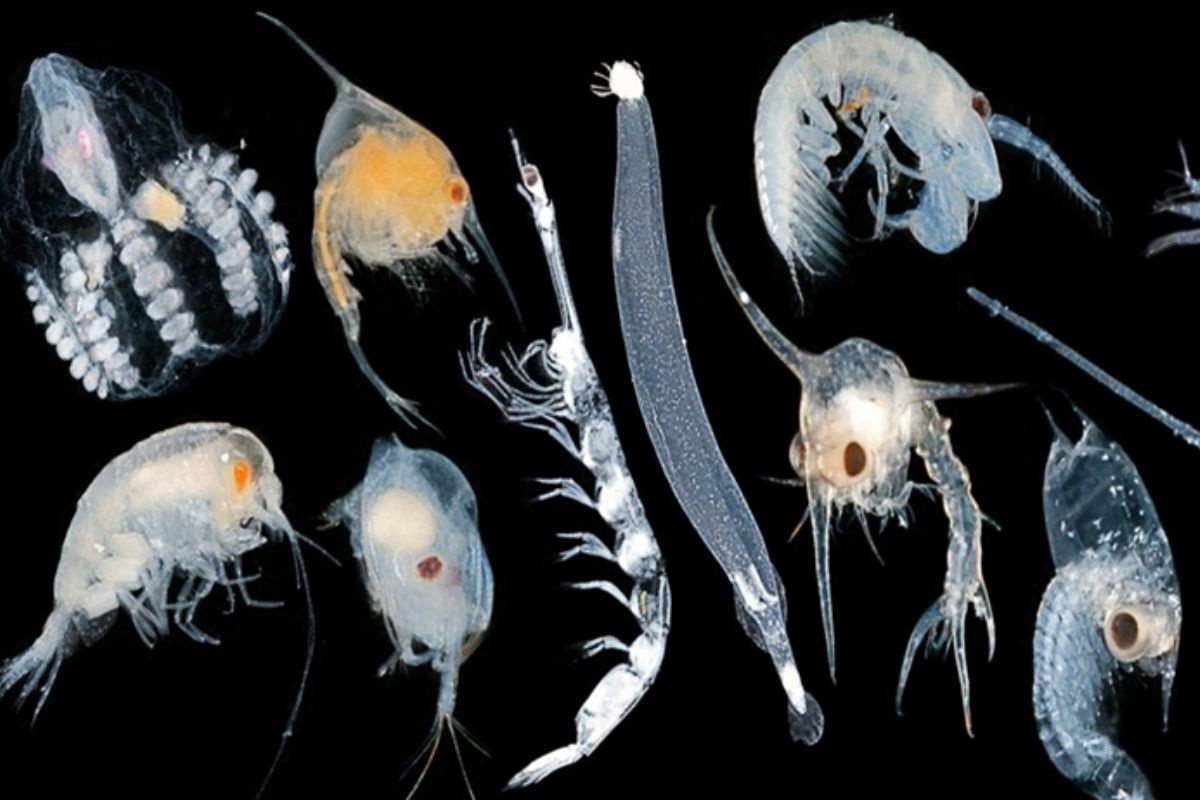
Plankton is a collection of small organisms that float or drift in water. They generally cannot actively move against water currents and rely on water movements to change their position.
Plankton is divided into two main groups: zooplankton (animal plankton) and phytoplankton (plant plankton). Both play important roles in the aquatic ecosystem of shrimp ponds, including serving as a natural food source for shrimp.
2. Types of Plankton in Shrimp Ponds and Their Effects on Water
a. Phytoplankton
Phytoplankton is a group of plankton consisting of microalgae and cyanobacteria. They play a role in oxygen production through photosynthesis and provide a food source for zooplankton.
However, uncontrolled phytoplankton growth can lead to issues in shrimp ponds. Excessive phytoplankton growth can cause a decrease in dissolved oxygen in the water (hypoxia) and affect water quality. This can be detrimental to shrimp as they require sufficiently oxygenated water to breathe.
b. Zooplankton
Zooplankton consists of various microscopic animals such as copepods, rotifers, and bivalve larvae. They serve as a natural shrimp feed source in shrimp ponds.
Adequate zooplankton populations in shrimp ponds can enhance shrimp growth and health. However, a population of zooplankton that is too low can lead to competition for food and slow shrimp growth.
3. Beneficial Plankton Types for Shrimp Ponds
Some types of plankton that benefit shrimp ponds include:
a. Green Algae (Chlorophyta)
Chlorophyta, also known as green algae, are commonly found in shrimp ponds because they can thrive in various environmental conditions. Chlorophyta produce a light green to green colour in the water.
As the name suggests, Chlorophyta produces chlorophyll, which is beneficial for photosynthesis and provides additional oxygen in the pond, serving as a natural food source for shrimp.
b. Diatoms
Diatoms, also known as Bacilliariophyceae, are a crucial phytoplankton type that serves as a significant food source for shrimp. They contain nutrients such as omega-3 fatty acids that support the healthy growth of shrimp.
4. Harmful Plankton Types for Shrimp Ponds
Some types of plankton that can harm shrimp ponds include:
a. Cyanophyta
Cyanophyta, or blue-green algae, are plankton that can turn water green or even blackish. They can produce toxins that can poison shrimp in the pond and lead to toxic blooms, which can be highly detrimental to aquaculture.
b. Dinoflagellata
Toxic dinoflagellates can produce toxins from their flagella, which can be harmful and even fatal to shrimp. They can also disrupt water quality by releasing waste that causes water discolouration. Therefore, the presence of dinoflagellates in the pond should not exceed 5%.
Cre: delosaqua.com
Contact AQUA MINA for consultation and supply of aquaculture round tanks and aquaculture equipment for high-tech shrimp farming.
- Address: 685 National Highway 1A, Binh Hung Hoa Ward, Binh Tan District, Ho Chi Minh City
- Phone: 1800 6071 (Toll-free hotline)
- Email: sales@aquamina.com.vn or oversea@aquamina.com.vn
Aqua Mina's distributor in Japan: REX INDUSTRIES CO., LTD
- Address: 1-9-3 Hishiya-Higashi, Higashi-Osaka 578-0948 JAPAN
- Email: kimakubo@rexind.co.jp
- Phone: +81-(0)72-961-9893
- Website: http://www.rexind.co.jp/e/
WE WORK FOR YOUR SUCCESS!
Ngày đăng : 15/02/2025
4089 View


Other Articles
Ca Mau, Can Tho and An Giang Play a Leading Role in Vietnam’s Shrimp Industry
Protecting rice-shrimp yields against environmental fluctuations caused by prolonged rain
AQUA MINA Turbo Blower: Quiet, Energy-Efficient Air Supply for Aquaculture Ponds
AQUA MINA has accompanied the experimental tank system project at Can Tho University from its very early days
AQUA MINA AMONG 20 OUTSTANDING PRESENTATIONS AT THE WORKSHOP ON APPLYING SCIENCE AND TECHNOLOGY TO IMPROVE THE QUALITY OF VIETNAM’S AQUATIC PRODUCTS
Vietnam’s Shrimp Farming Industry Enters the High-Tech Race
The U.S. market relies heavily on imported shrimp to bridge its domestic supply gap
The 2028 supply crisis: The shrimp industry is projected to face a 400,000-ton material shortage
High profits from high-tech shrimp farming come with persistent risks
Intensifying El Niño Effect: Climate Change Risks Threaten the Global Shrimp Supply Chain
Evaluating Gaps in the Circular Economy Value Chain of the Shrimp Industry
A Comprehensive Overview of the Vietnamese Shrimp Industry


.jpg)