

Unforeseen Dangers of Using Liquid Chlorine in Aquaculture Water Treatment
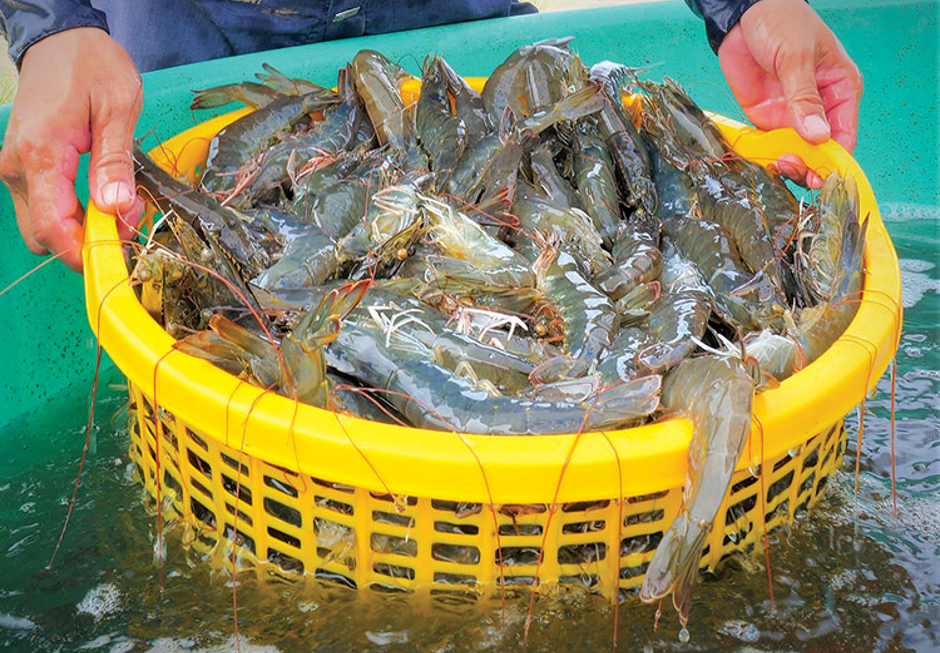
However, in recent times, shrimp farmers in Southeastern Vietnam and the Mekong Delta have spontaneously switched to using liquid chlorine for disinfecting farming water.
According to experts, many farmers choose liquid chlorine for its easy availability and low cost. However, liquid chlorine is classified as a hazardous chemical, with restricted production and trade, and its use is subject to strict regulations under the Law on Chemicals and the Environmental Protection Law.
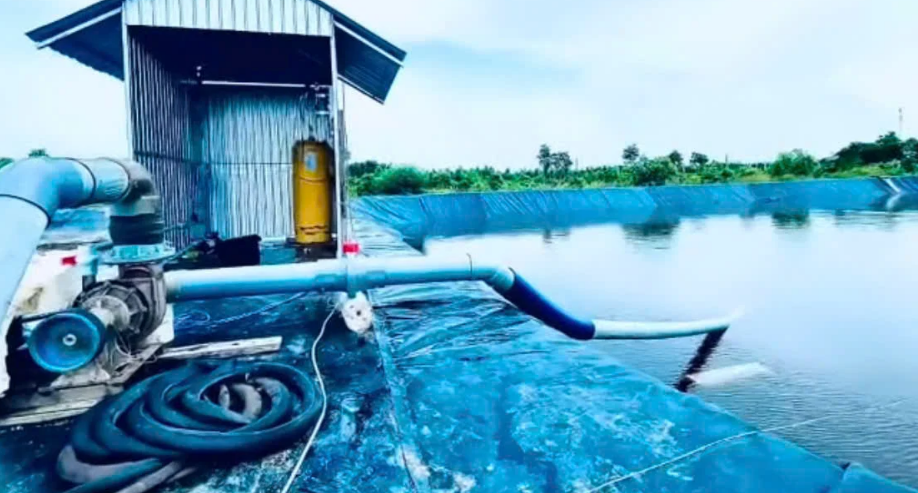
Accordingly, agents, distributors, and end-users of liquid chlorine must register their chemical activities with the relevant state authorities. Liquid chlorine must be stored in specialized containers that are regularly inspected. Storage facilities must meet safety standards, maintain a safe distance from residential areas, and be equipped with an emergency exhaust and treatment system for chemical spills.
In addition, businesses and users of liquid chlorine must annually develop preventive measures, risk assessments, and emergency response plans, including regular drills, and must report their chemical usage to government agencies.
Those directly handling liquid chlorine must be provided with adequate protective gear, be trained in occupational safety, chemical spill response protocols, and emergency procedures.
Experts warn that the unregulated purchase and use of liquid chlorine poses significant risks, especially when sellers do not verify the buyer’s identity or intended use, and buyers themselves often lack awareness of its toxicity and danger, leading to careless application.
A chlorine leak can have devastating consequences — not only economically (mass fish, shrimp, and rice deaths; large-scale environmental pollution) — but also pose a lethal threat to human life within affected areas. Chemical spill cleanup requires high costs and extended recovery time.
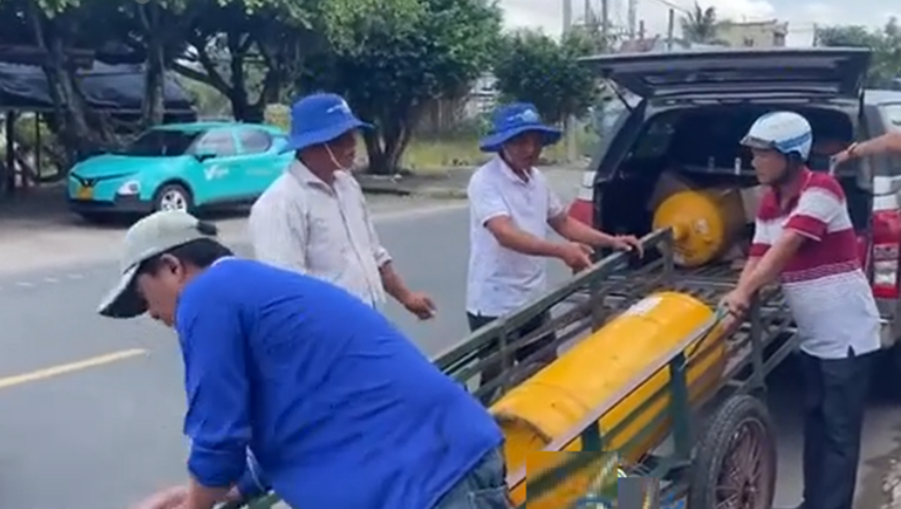
The risk is even more alarming because anyone can easily buy liquid chlorine in any quantity, often stored in non-compliant containers, transported using unlicensed vehicles, and applied without proper dosage control.
Experts also warn that chlorine gas was once used as a deadly chemical weapon during World War I due to its high lethality even at low concentrations. For this reason, many countries around the world have classified liquid chlorine as a restricted-use substance.
Source: danviet.vn
Aqua Mina's distributor in Japan: REX INDUSTRIES CO., LTD
- Address: 1-9-3 Hishiya-Higashi, Higashi-Osaka 578-0948 JAPAN
- Email: kimakubo@rexind.co.jp
- Phone: +81-(0)72-961-9893
- Website: http://www.rexind.co.jp/e/
WE WORK FOR YOUR SUCCESS!
Ngày đăng : 25/04/2025
2320 View


Other Articles
Ca Mau, Can Tho and An Giang Play a Leading Role in Vietnam’s Shrimp Industry
Protecting rice-shrimp yields against environmental fluctuations caused by prolonged rain
AQUA MINA Turbo Blower: Quiet, Energy-Efficient Air Supply for Aquaculture Ponds
AQUA MINA has accompanied the experimental tank system project at Can Tho University from its very early days
AQUA MINA AMONG 20 OUTSTANDING PRESENTATIONS AT THE WORKSHOP ON APPLYING SCIENCE AND TECHNOLOGY TO IMPROVE THE QUALITY OF VIETNAM’S AQUATIC PRODUCTS
Vietnam’s Shrimp Farming Industry Enters the High-Tech Race
The U.S. market relies heavily on imported shrimp to bridge its domestic supply gap
The 2028 supply crisis: The shrimp industry is projected to face a 400,000-ton material shortage
High profits from high-tech shrimp farming come with persistent risks
Intensifying El Niño Effect: Climate Change Risks Threaten the Global Shrimp Supply Chain
Evaluating Gaps in the Circular Economy Value Chain of the Shrimp Industry
A Comprehensive Overview of the Vietnamese Shrimp Industry

.jpg)