


The Importance of Minerals in Vannamei Shrimp Farming
In the process of cultivating vannamei shrimp, minerals become one of the crucial factors due to their vital role in many biological processes for the growth and health of vannamei shrimp. Minerals are inorganic components required by living organisms, including shrimp. Although the amount of minerals needed by shrimp is relatively small, the sufficiency of these inorganic components still needs to be considered by farmers.
Naturally, vannamei shrimp absorb some minerals not only from their feed but also from the surrounding pond environment during their growth process. The mineral requirement for vannamei shrimp ranges from 2-5% of their feed amount, but ponds with higher stocking densities require a higher supply of minerals.
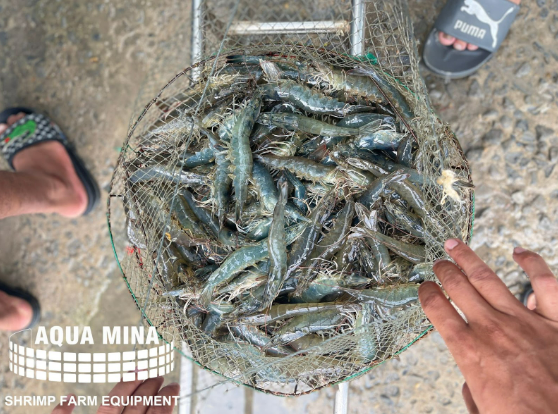
Mineral Classification: Micro and Macro
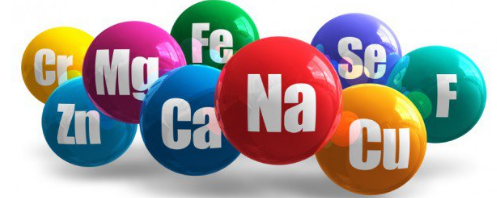
In the vannamei shrimp cultivation, minerals are classified into micro and macro minerals based on the volume needed. Vannamei shrimp require a smaller volume of micro minerals compared to macro minerals.
Microminerals include elements such as Iron, Copper, Manganese, Zinc, Cobalt, Molybdenum, Chromium, Selenium, Fluorine, Iodine, Nickel, and others. On the other hand, macro minerals consist of Calcium, Magnesium, Sodium, Potassium, Phosphorus, Chlorine, and Sulfur.
Functions and Importance of Minerals in Maintaining Shrimp Quality
1. Electrolyte Balance Maintenance
Minerals like sodium, potassium, and chloride play a role in maintaining the electrolyte balance within the shrimp’s body. Proper electrolyte balance is essential for normal organ and cell functions, optimizing shrimp growth.
2. Skeleton and Exoskeleton Formation
Minerals like calcium and phosphorus are essential components for the formation of the shrimp’s skeleton and exoskeleton.
3. Enzyme Function
Certain minerals like zinc, copper, and manganese act as co-factors in many enzymatic reactions. These enzymes are crucial for various metabolic and digestive processes in the shrimp’s body.
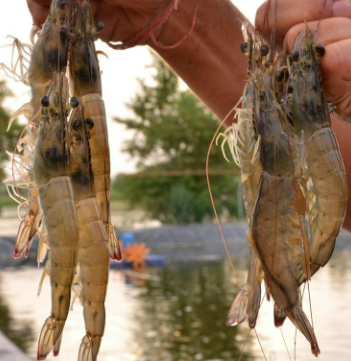
4. Detoxification
Minerals like selenium and zinc play a role in the detoxification process and protection against free radicals, which can cause oxidative stress, damaging cells and leading to shrimp diseases.
5. Osmoregulation
Minerals also contribute to osmoregulation, which is the shrimp’s ability to regulate the salt concentration within their bodies. Efficient osmoregulation is vital for shrimp survival in varying saltwater environments.
6. Reproductive Function
Certain minerals such as zinc and calcium also play a role in shrimp’s reproductive function, affecting egg quality, embryo development, and larval survival.
Mineral Deficiency in Vannamei Shrimp
Mineral deficiency or imbalance in the shrimp farming environment can have fatal consequences. It can disrupt the pond ecosystem, leading to health problems, slow growth, and decreased productivity and harvest quality of vannamei shrimp. Additionally, mineral deficiency can hinder the proper development of microorganisms like plankton or phytoplankton, which are responsible for breaking down harmful substances in the pond. Insufficient minerals can also disturb water quality and make shrimp more susceptible to pathogens and diseases.
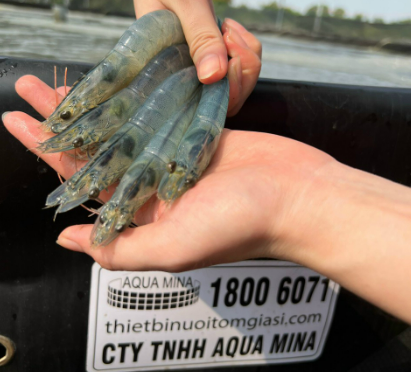
Ensuring Adequate Mineral Levels in the Pond
To ensure sufficient minerals in the shrimp pond, several factors need to be considered. Regularly monitor water quality through routine analysis to ensure that mineral concentrations and other parameters (pH, temperature, salinity, and dissolved oxygen) are within appropriate ranges. Analyzing the soil and sediment at the bottom of the pond is also necessary to ensure sufficient mineral composition.
The feed given to the shrimp should also contain various minerals required for their growth and health. Make sure the provided feed has a balanced nutritional profile, including minerals like calcium, phosphorus, zinc, and others.
Implementing good environmental management practices can also help maintain mineral balance. Providing fresh water, proper drainage, and appropriate salinity regulation will help preserve water quality and mineral availability.
Cre: delosaqua.com


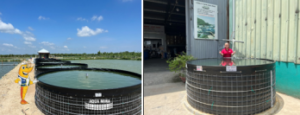
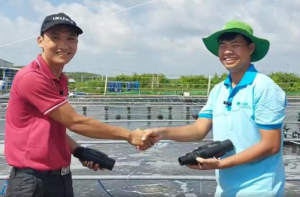
AQUA MINA has accompanied the experimental tank system project at Can Tho University from its very early days
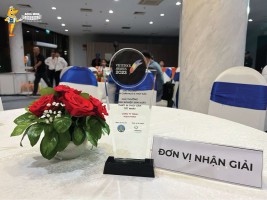
AQUA MINA AMONG 20 OUTSTANDING PRESENTATIONS AT THE WORKSHOP ON APPLYING SCIENCE AND TECHNOLOGY TO IMPROVE THE QUALITY OF VIETNAM’S AQUATIC PRODUCTS
Vietnam’s Shrimp Farming Industry Enters the High-Tech Race
The U.S. market relies heavily on imported shrimp to bridge its domestic supply gap
The 2028 supply crisis: The shrimp industry is projected to face a 400,000-ton material shortage
High profits from high-tech shrimp farming come with persistent risks
Intensifying El Niño Effect: Climate Change Risks Threaten the Global Shrimp Supply Chain
Evaluating Gaps in the Circular Economy Value Chain of the Shrimp Industry
A Comprehensive Overview of the Vietnamese Shrimp Industry
CA MAU ACCELERATES MARINE AQUACULTURE DEVELOPMENT FROM 2026 TO 2030, WITH A VISION TO 2045
VIETNAM’S SHRIMP INDUSTRY: FROM RECORD EXPORTS TO THE RACE FOR EFFICIENCY AND VALUE
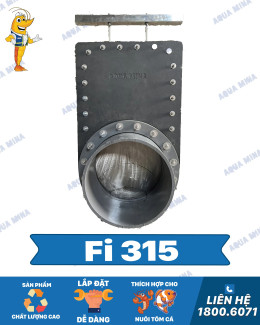
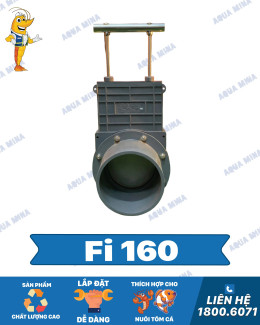
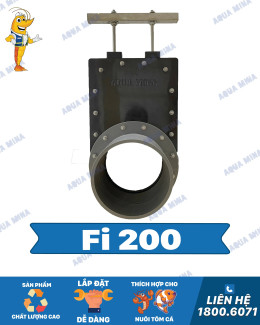
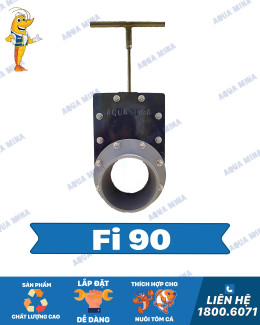
Why Did a Customer Travel from Vinh Long to Ho Chi Minh City to Buy AQUA MINA PVC Knife Gate Valve


.jpg)