

Controlling disease transmission between shrimp ponds
1. Water Supply and Drainage System Management
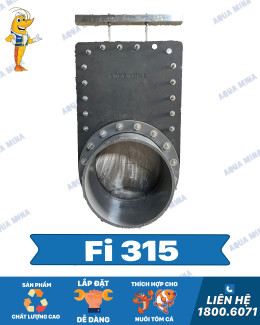
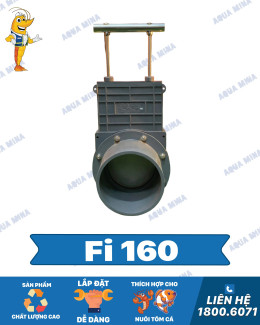
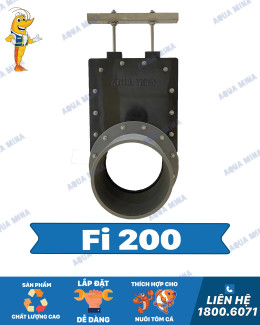
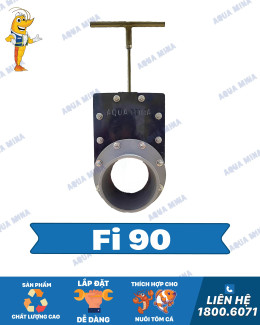
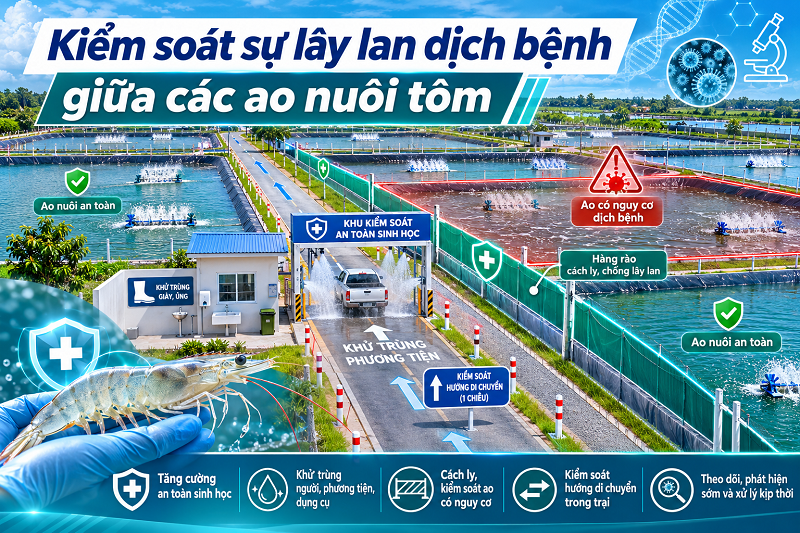
Water acts as a medium for transmitting pathogens between culture ponds. Therefore, water supply and drainage systems must be designed independently, strictly preventing backflow or cross-connection between ponds. Intake water must pass through a sedimentation pond, undergo mechanical filtration, and be treated to meet quality standards before entering the culture pond. Pipelines and pumps require periodic inspection; siphon water and wastewater must be collected into a separate treatment area, while pond embankments and overflow sluices must be reinforced to prevent overflow during heavy rains.
2. Personnel Traffic Control and Equipment Sanitation
Each pond should be equipped with its own dedicated set of tools (lift nets, cast nets, buckets, containers) clearly marked with color codes to avoid sharing. In cases where sharing is unavoidable, equipment must be thoroughly cleaned of organic mud and properly disinfected. Regarding personnel, a strict workflow protocol must be followed: tending to healthy ponds first and suspected infected ponds last; dividing zones with clear signage and thoroughly sanitizing protective gear when moving between areas.
3. Waste Collection and Intermediate Host Control
Dead shrimp must be collected promptly using dedicated tools, sealed in closed bags, and transported to a designated disposal site—never discarded into the external environment. Mesh screens must be installed at water intake points to block trash fish and wild crustaceans, while vegetation around pond banks must be cleared to eliminate shelters for pathogen vectors.
4. Quarantine Protocol for Suspected Infected Ponds
As soon as abnormal feed reduction or increased mortality is detected, the transfer of shrimp, water, and equipment out of that area must be halted immediately. Environmental parameters (pH, dissolved oxygen, toxic gases) should be carefully checked to rule out abiotic causes before concluding an infectious disease outbreak. Never discharge water from a suspected pond or apply chemicals indiscriminately without guidance from specialized authorities.
5. Maintaining a Comprehensive Biosecurity System
The farming facility must establish a water supply and drainage flow diagram, maintain detailed pond logs (feed intake, mortality rates, water quality parameters), and carry out comprehensive cleaning and disinfection of the entire pond bottom, pipeline, and pump systems after every harvest cycle.
AQUA MINA CO., LTD
WE WORK FOR THE SUCCESS


How will new US tariffs change Vietnam's shrimp industry?
Ecuador's shrimp farming model: Low density, large scale, full integration — Which path for Southeast Asia?
New regulation on the scientific name of octopus for traceability documentation
Expanding in Scale with 350 Booths Gathering at the 2nd Ca Mau Shrimp Festival 2026
Science and Technology: The New Growth Lever for the Shrimp Industry
AQUA MINA TAKES PART IN LIVESTOCK & AQUACULTURE PHILIPPINES EXPO 2026
Spotlighting 7 industry giants owning Vietnam's leading high-tech shrimp farming models
Proper Cleaning and Maintenance Guide for AQUA MINA Turbo Air Blowers
Sharing the benefits of shrimp farming between ponds
Ca Mau Prepares to Launch a 5.3 Trillion VND High-Tech Aquaculture Project
AQUA MINA Welcomes International Delegation: Expanding Opportunities for Cooperation in the Aquaculture Industry
Secrets to Maintaining Optimal Water Color in Intensive Vannamei Shrimp Ponds During Hot Weather